

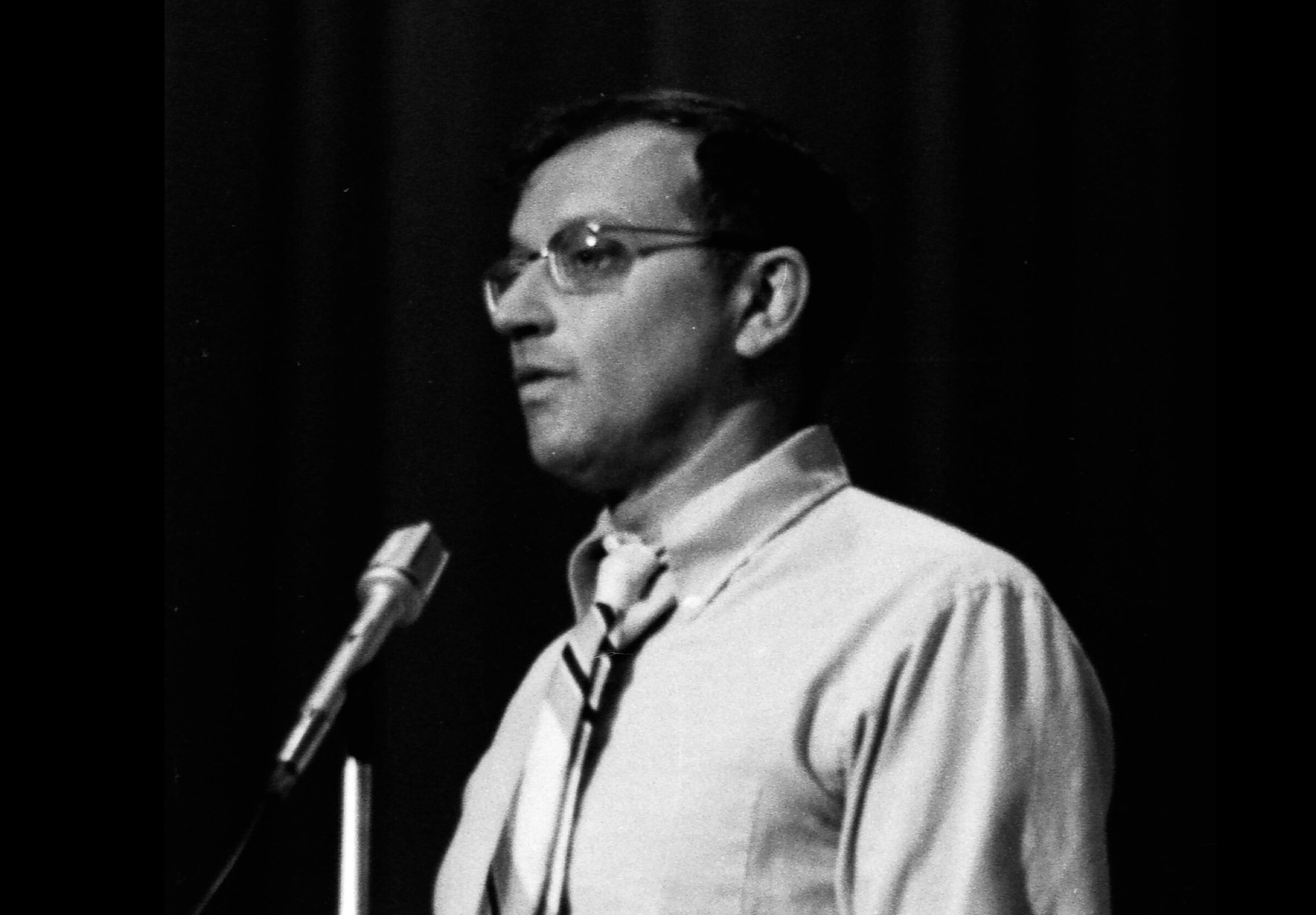
Kathmandu— Allard Lowenstein and Roy Cohn, despite attending the same New York City high school, became emblematic figures representing divergent sides of the American character. Lowenstein pursued public service with a belief in the common good, while Cohn prioritized self-interest and power, mastering what one observer called “situational immorality” and later mentoring Donald Trump. Their shared educational background at Horace Mann School raises questions about how such contrasting visions could emerge from the same intellectual environment.
A Tale of Two Americans
Lowenstein and Cohn weren’t simply individuals with differing personalities; they were products of distinct currents in postwar America. Lowenstein aligned himself with civil rights, internationalism, antiwar activism, and reform movements. Conversely, Cohn became associated with anti-Communism, McCarthyism, New York City politics, and a focus on personal influence. They represented opposing poles: the pursuit of broader ideals versus relentless self-promotion; using politics to serve others versus acquiring power.
Early Careers Diverge
Roy Cohn graduated from Horace Mann in 1944, followed by Lowenstein in 1945. Cohn quickly rose to prominence as an anti-Communist prosecutor, notably involved in the case of Julius and Ethel Rosenberg and the Army-McCarthy hearings, working closely with J. Edgar Hoover. He later transitioned into a role as a fixer for prominent figures like Donald Trump, teaching him the importance of publicity over legal constraints. Cohn was eventually disbarred in 1986 due to professional misconduct involving dishonesty and fraud.
Lowenstein’s Commitment to Public Service
In contrast, Lowenstein dedicated his life to liberal causes. He served as president of the National Student Association, aided Hubert Humphrey and Robert Kennedy, participated in Mississippi Freedom Summer, led efforts against both Presidents Johnson and Nixon, and briefly held a congressional seat. Later appointed by Jimmy Carter to the United Nations Commission on Human Rights, Douglas Hunt described Lowenstein’s life as driven by a commitment to “Let Right be Done.”
Shared Traits, Divergent Goals
Despite their contrasting approaches, both men shared certain qualities: ambition, intelligence, an understanding of institutions, and a belief in the power of individuals. However, they differed fundamentally in how those qualities were applied. For Lowenstein, power was a tool to achieve broader goals; for Cohn, it was an end in itself, unrestrained by any sense of public good. Both men were political realists, but their ultimate purposes diverged significantly.
A Shifting Political Landscape
The author notes that Lowenstein’s idealistic liberalism has become less prominent while Cohn’s brand of realism has gained traction in contemporary politics. The motto of Horace Mann School— “Great is the truth, and it prevails”—stands in stark contrast to the divergent paths taken by these two alumni, raising questions about the future of a political culture where power increasingly becomes an end unto itself.
The contrasting legacies of Lowenstein and Cohn serve as a reminder of the enduring tension between idealism and pragmatism within American politics, and prompt reflection on how values shape the pursuit and exercise of power.
(With inputs from CounterPunch)
Originally published on abcnews.com.np.






प्रतिक्रिया दिनुहोस्