

Kathmandu— Bhavesh, a former engineering student from Jaleshwar, represents a growing trend of youth in Nepal’s Madhes Province falling into drug addiction, beginning with seemingly harmless habits and escalating due to easy access in border areas. The province is experiencing a surge in drug abuse among adolescents and young adults, fueled by its proximity to India and limited preventative resources, prompting concerns about rising crime rates and the need for comprehensive intervention programs.
Growing Prevalence of Drug Use
Studies conducted by Nepal’s Ministry of Home Affairs indicate a consistent increase in drug users nationwide. A 2019 national survey estimated over 130,000 individuals across the country struggle with substance abuse, with many initiating use before the age of 20. Data reveals that Madhes Province has one of the highest rates of early drug use among adolescents, second only to Sudurpashchim Province.
The National Centre for AIDS and STD Control estimates between 39,000 and 49,000 people in Nepal inject drugs, with approximately 6,000 to 8,000 residing in Madhes Province. Health workers report a growing trend of abuse involving brown sugar, tramadol, diazepam, and other pharmaceutical drugs, particularly in border regions.
Border Region Challenges
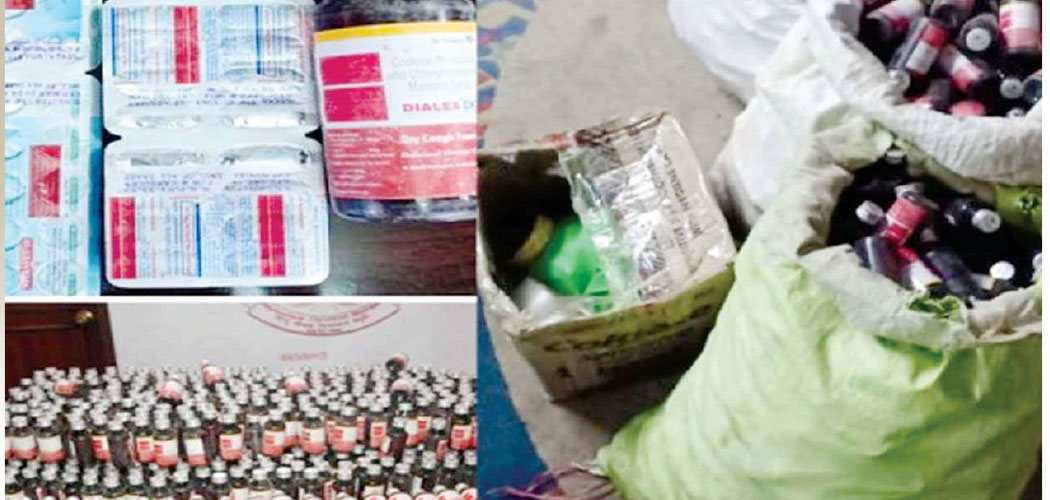
Madhes Province’s open border with India has made it a key transit route for drug trafficking. Over the past three fiscal years, Madhes Province Police Office recorded 1,926 drug-related cases, leading to the arrest of 2,701 individuals. Seized substances included significant quantities of cannabis, hashish, brown sugar, opium, heroin, and various pharmaceutical drugs.
Police indicate that many arrested in connection with drug offenses are users who subsequently become involved in supply networks. Deputy Superintendent of Police Madhusudan Neupane noted a correlation between drug use and other crimes, stating that a significant number of those arrested for theft also test positive for substance abuse.
Adolescent Vulnerability and Lack of Awareness
A 2023 study by the Nepal Public Health Research and Development Centre (PHRD) found that 15.5 percent of adolescents in five districts within Madhes Province consume tobacco, alcohol, or cannabis-related substances. The research highlighted a critical lack of awareness regarding the harmful effects of drugs and emphasized the urgent need for effective prevention programs implemented at both school and community levels.
The study suggests that early addiction increases the risk of young people turning to crime, especially when facing financial difficulties.
Government Response and Future Strategies
Madhes Province Minister for Home Affairs, Communications and Law Fakira Mahato stated that the provincial government is prioritizing resources for drug control, expanding rehabilitation centers, and launching awareness campaigns targeting youth. The minister affirmed a commitment to providing police with the necessary tools to combat drug trafficking.
However, officials recognize that enforcement alone will not solve the problem. A coordinated approach involving families, schools, communities, health institutions, and security agencies is crucial, alongside more effective rehabilitation-oriented programs.
Addressing the escalating drug crisis in Madhes Province requires a multi-faceted strategy focused on prevention, treatment, and strengthened collaboration between various stakeholders to protect vulnerable youth.
(With inputs from RN)
Originally published on abcnews.com.np.






प्रतिक्रिया दिनुहोस्