

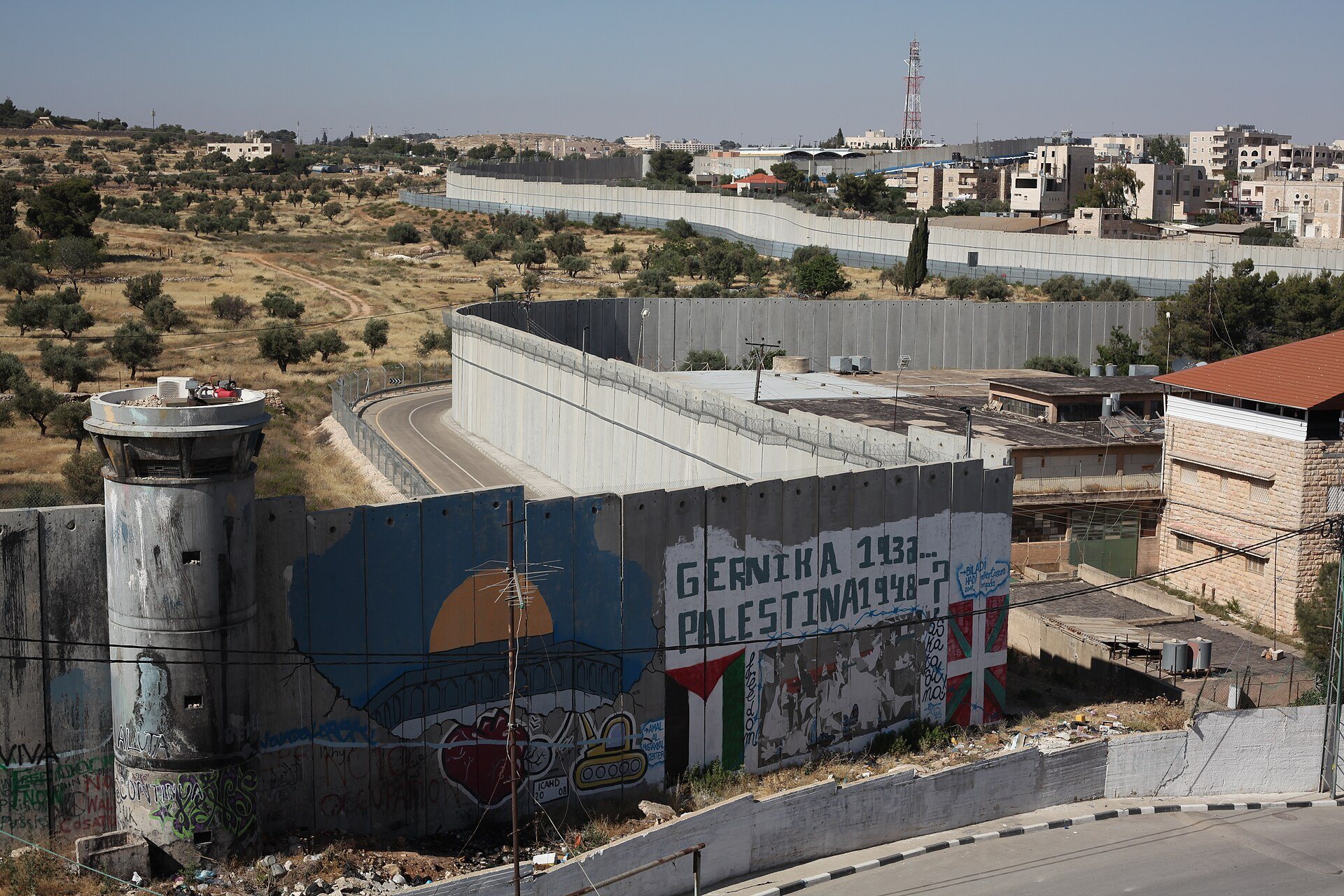
Kathmandu— For decades, the Middle East has been defined by a fundamental ideological conflict between Zionism and Islamism. Zionism, manifested through the establishment and expansion of Israel since 1948, has relied on militarism and Western support to achieve its objectives. Meanwhile, Islamism emerged as a powerful counter-force in response to perceived injustices against Palestinians and failures of secular Arab governments, becoming the dominant ideological force across the Muslim world by the late 20th century.
The Failure of Secular Nationalism
Following World War II, a period of pan-Arab nationalism led by figures like Egyptian President Gamal Abdul Nasser promised modernization and liberation for Palestine. However, this era was short-lived. The decisive defeat of Arab armies in the 1967 Arab-Israeli War, coupled with subsequent peace agreements between Israel and Egypt (1979) and Jordan (1994), eroded collective confidence and led to widespread disillusionment. This created an ideological void as regimes prioritized survival over confronting Israel.
The Rise of Islamism
As secular nationalism faltered, Islamism filled the resulting power vacuum by offering a worldview independent of Western influence and colonial borders. Shifting the focus from national identity to religious jihad—struggle in defense of the Muslim community—Islamism provided a new framework for mobilization and channeled frustrations over Palestinian dispossession into transnational unity. Non-state groups like Hamas, Palestinian Islamic Jihad, and Hezbollah, supported by Iran, became key players in resisting U.S.-Israel hegemony.
Structural Advantages of Islamist Movements
Political theorists suggest Islamism possesses unique strengths in its confrontation with Zionism. Its transnational identity transcends artificial borders imposed during colonialism, unlike Arab states constrained by economic dependence on the West. Furthermore, Islamist movements demonstrate remarkable ideological resilience due to their theological beliefs in divine justice and martyrdom, viewing resistance as a sacred obligation. They also function as community anchors, providing social services and building strong grassroots support.
A Clash of Belief Systems
The conflict between Zionism and Islamism represents a struggle between two complete belief systems: one seeking exclusive ethno-religious dominance over Palestinian land, the other rejecting that legitimacy. While American militarists have pursued territorial control through force, Islamist groups have gained strength through ideological resonance and by appealing to the spiritual, aspirational, and social needs of populations exhausted by foreign aggression.
The dynamic between Zionism and Islamism continues to shape the political landscape of the Middle East, with both ideologies deeply entrenched and offering competing visions for the region’s future.
(With inputs from CounterPunch)
Originally published on abcnews.com.np.






प्रतिक्रिया दिनुहोस्