

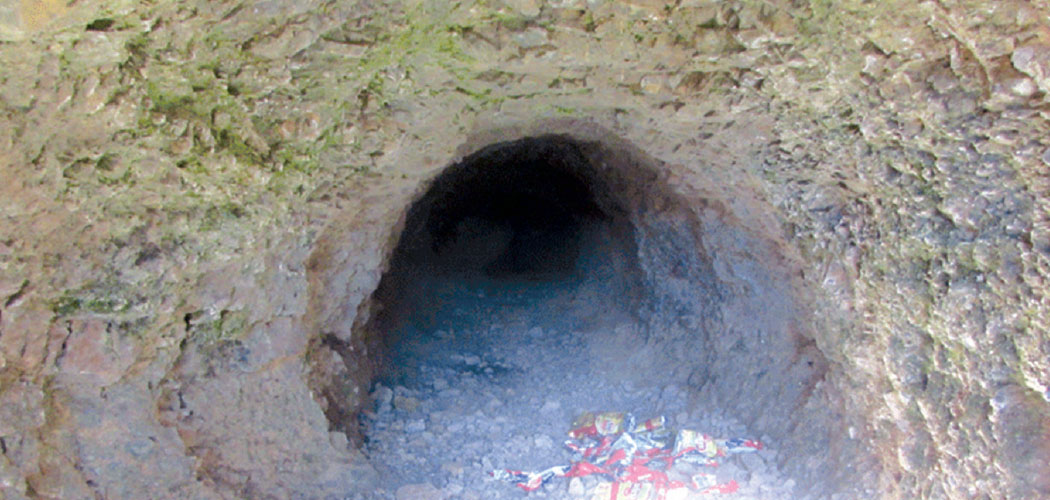
Kathmandu— Three significant iron ore deposits in Nepal – located at Dhaubadi in Nawalparasi (East), Jhumlabang in Rukum (East), and Phulchoki in Lalitpur – have seen limited progress despite their potential to contribute to the national economy and reduce reliance on imports. While Jhumlabang boasts an estimated 200 million tons of ore, nearly double that of Dhaubadi, all three projects face obstacles ranging from local community concerns and logistical difficulties to legal restrictions stemming from environmental protections, hindering exploration and development efforts.
Jhumlabang Project Faces Local Resistance
The Jhumlabang deposit in Rukum (East) is the largest of the three, but its development has been hampered by opposition from local residents. According to Narayan Banskota, Information Officer at the Department of Mines and Geology (DMG), locals have filed complaints with various government bodies, including the National Human Rights Commission, expressing concerns that mining operations will disrupt their livelihoods, culture, and displacement of long-term residents. The chairperson of Bhume Rural Municipality has informed the DMG that communities are unwilling to allow even preliminary study work beyond excavation, potentially delaying exploration for over a decade. Ramesh Steel currently holds a 30-year lease on the mine but has yet to begin operations.
Infrastructure Deficiencies Impede Development
Accessing the Jhumlabang site presents significant logistical challenges. Located in a remote mid-hill area, it is 165 km from Ghorahi in Dang, and while connected to the recently opened Mid-Hill Highway by a 7km track, substantial improvements to the road network are needed to support industrial production. Banskota explained that processing facilities would need to be established in Dang district, necessitating a well-developed transportation infrastructure. The possibility of constructing a cable way has also been suggested as a potential solution.
Dhaubadi and Phulchoki Projects Stall
The Dhaubadi Iron Company Limited (DICL) is currently conducting chemical analysis of iron ore from the Dhaubadi site, with plans to prepare a Detailed Project Report (DPR). Despite receiving budgetary priority from the government for several years, substantive progress has been slow; the DPR is expected to take another year and a half to complete. Meanwhile, iron mining at Phulchoki has come to a standstill following a court decision in the Godavari Marble Case which prohibited commercial mining in ecologically sensitive conservation areas. Sagarmatha Iron holds a lease for excavation at Phulchoki but has been unable to overcome policy hurdles created by the court’s ruling, with no mining activity occurring there for 12 years.
Iron Imports Remain High
Despite the potential of domestic iron ore deposits, Nepal remains heavily reliant on imports. In Fiscal Year 2025/26, the country imported iron and steel products worth Rs. 169.56 billion, a 7.37 percent increase from the previous year. Iron and steel constitute 8.1 percent of Nepal’s total import value. The mining and quarrying sector is projected to contribute 0.43 percent to the national GDP in 2025/26, with an annual growth rate of 3.52 percent, as the country's total GDP is expected to reach Rs. 6600 billion.
Phulchoki Offers Highest Iron Content
Analysis by the DMG indicates that Phulchoki possesses iron ore with the highest iron content – 56 percent – compared to 40 percent in Bhume and 35 percent in Dhaubadi. This means processing one tonne of ore from Phulchoki could yield up to 560 kg of iron, versus 400 kg in Bhume and 350 kg in Dhaubadi, also resulting in the lowest production costs. Banskota suggested that underground tunneling from outside the Kathmandu Valley may be a viable method for extracting ore at Phulchoki.
The future of these iron mining projects remains uncertain as stakeholders navigate local concerns, infrastructure limitations, and legal challenges. Continued dialogue between the government, DMG, local communities, and private companies will be crucial to unlocking Nepal’s potential in domestic iron production.
(With inputs from RN)
Originally published on abcnews.com.np.


प्रतिक्रिया दिनुहोस्