


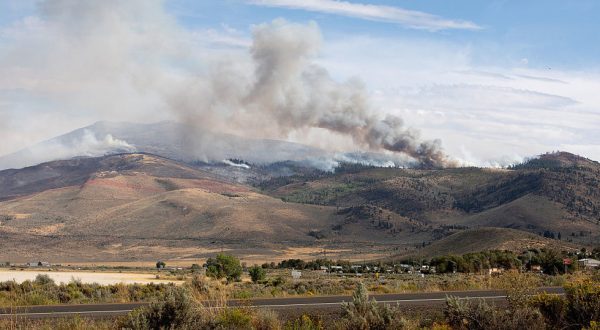
Kathmandu— Nepal is highly vulnerable to a wide range of natural disasters due to its fragile mountain geology, encompassing everything from flash floods and landslides to earthquakes, forest fires, and even snakebites. While all three levels of government – federal, provincial, and local – have prioritized disaster preparedness and response, the nation continues to experience frequent calamities that damage infrastructure, disrupt services, and claim lives annually. Monsoon-related disasters are particularly devastating, affecting millions each rainy season, alongside incidents involving fire, disease outbreaks, and other emergencies.
Recent Disaster Impacts
The April 2015 earthquake, which killed over 9,000 people and caused significant economic damage, remains a stark reminder of Nepal’s seismic vulnerability. More recently, a 6.4 magnitude quake in November 2023 struck the Jajarkot district, killing more than 150 and injuring hundreds, as well as damaging thousands of structures in Jajarkot and Rukum West districts. Victims faced hardship due to delays in rehabilitation efforts, drawing criticism from media and civil society. In 2024, devastating late-season rains caused nearly 500 deaths nationwide, with over three dozen fatalities occurring within the Kathmandu Valley alone.
Rising Incident Rates
Recent data from the National Disaster Risk Reduction and Management Authority (NDRRMA) indicates a high frequency of disaster events. Over the past four months, Nepal has experienced more than 5,000 disaster-related incidents, resulting in over 250 deaths and more than 1,600 injuries. These incidents have impacted over 6,270 families, with eight people reported missing. Fire is currently the most frequent type of catastrophe, accounting for 1,136 incidents, followed closely by landslides (1,011) and snakebites (1,010).
Climate Change and Increased Risks
Changing monsoon rainfall patterns, linked to climate change and global warming, are exacerbating the risk of natural disasters in Nepal. While the monsoon season typically runs from June to October, increasingly unpredictable weather is leading to heavy and destructive rainfall even during September. Reckless construction practices, particularly the use of bulldozers on fragile hillsides without proper engineering research, also contribute to increased landslide risks.
Legal Framework and Future Preparedness
Nepal has established a legal framework for disaster management through the Disaster Risk Reduction and Management (DRRM) Act, 2074 and its associated regulations. This legislation replaced an older act from 1982 and aims to create an inclusive system for minimizing risks, enhancing preparedness, rescue efforts, relief distribution, and recovery across all levels of government. Authorities are also exploring the use of new technologies like artificial intelligence (AI), satellite imaging, ground sensors, and drones to improve disaster forecasting, tracking, and response.
Critical Resource Shortages
Recent reports have highlighted shortages of essential resources such as anti-snake venom and rabies vaccines in hospitals across Nepal. Snakebite incidents are particularly common in the Terai region during warmer months, underscoring the need to ensure consistent availability of life-saving medicines.
Effective disaster preparedness and timely response remain crucial for mitigating the impact of natural calamities in Nepal, requiring continued investment in resources, technology, and coordinated efforts across all levels of government.
(With inputs from RN)
Originally published on abcnews.com.np.


प्रतिक्रिया दिनुहोस्