

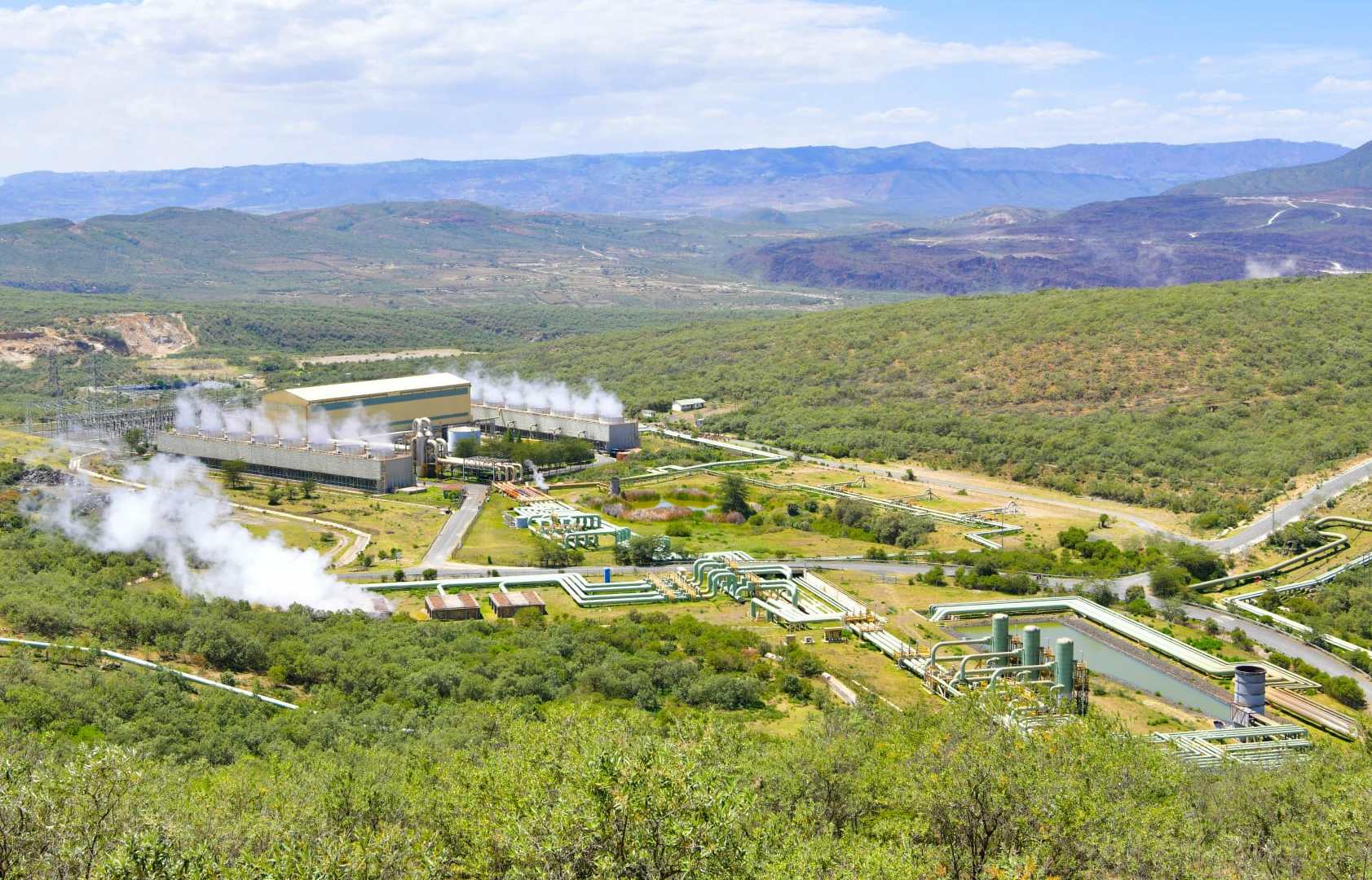
Kathmandu— Communities surrounding Lake Naivasha, Kenya are expressing concern that a planned major data center by Microsoft and G42 could further strain already limited water resources. The $1 billion digital investment package announced in 2024 aimed to establish a 1 gigawatt facility powered by geothermal energy, but the project is currently stalled due to power capacity concerns, prompting questions about its potential impact on local water access for families, farms, and livestock. While proponents tout economic benefits, residents fear increased competition for water amidst already declining supplies and increasingly harsh weather conditions.
A Region Under Water Stress
For those living around Naivasha, water is a critical resource essential for daily life. Residents like Musa Olorkedienye report dwindling access to reliable piped water, now relying on costly vendors and witnessing animals travel kilometers in search of hydration. Pastoralist Isaac Leshishi adds that increasingly erratic weather patterns are compounding the problem. Grace Kimani, a patrol leader with Lake Naivasha and Oloiden, explains that the lake’s catchment area is already under pressure from population growth, agriculture, climate variability, pollution, and ecosystem degradation.
Olkaria's Appeal and Growing Demand
The location of the proposed data center in Olkaria was strategically chosen due to its proximity to Kenya’s major geothermal operations, offering a renewable energy source. However, Silas Wanjala of the Lake Naivasha Riparian Association points out that the region heavily relies on groundwater, and declining flows are intensifying existing pressures. He warns that industries like data centers will significantly increase water consumption at a time when demand is already rising, recalling how the lake nearly dried up in 2010 due to over-abstraction.
Uncertainty Over Water Usage
The precise amount of water the Microsoft-G42 facility would require remains unknown, as the project announcement did not include a projected consumption figure. A KenGen environmental assessment from July 2023 recorded abstraction of 195,165 cubic meters of water from Lake Naivasha for various uses in Olkaria and Eburru, with 153,918 cubic meters used for commercial operations – though these figures pertain to existing KenGen facilities. Farmer Eskimos Kobia fears increased competition for water will impact not only households and livestock but also farmers and schools.
Balancing Investment with Community Needs
While some residents like Absolom Mukhuusi of the Naivasha Professional Association welcome the potential jobs and infrastructure brought by the technology sector, he emphasizes that economic benefits should not come at the expense of local communities. Geologist Kenyatta Otieno suggests the project could include a resource center to monitor lake levels and weather patterns, potentially aiding in sustainable land zoning. However, Leshishi expresses concern that local communities will ultimately lose out as they compete with large corporations for limited water resources.
The future scale, design, and water requirements of the data center remain unclear as of this reporting, leaving residents apprehensive about its potential impact on their already strained water supply.
(With inputs from Al Jazeera)
Originally published on abcnews.com.np.






प्रतिक्रिया दिनुहोस्