

Kathmandu— The global landscape is undergoing a significant shift, marked by the rise of new powers and a re-evaluation of historical injustices, but this transition is complicated by biased media coverage and inconsistent application of international standards. Analysts point to a reluctance in Western media to acknowledge China’s economic growth relative to Europe, while simultaneously focusing on conflicts like the war in Ukraine with selective attention to the experiences of ethnic Russian populations within the country. This pattern extends to other global hotspots, such as Gaza, where civilian casualties receive disproportionately less coverage compared to similar incidents elsewhere.
Historical Legacies and Contemporary Blame
The weight of colonial history continues to influence present-day dynamics, with former colonizers facing scrutiny for past exploitation and suppression. Critics regularly raise issues like British colonialism, Western slavery, and cultural decimation, particularly within Indian intellectual and political circles. However, the article notes that no power is without fault, advising a cautious approach to international relations—one that avoids excessive accommodation which could invite further demands. The author suggests that attempts to blame current problems on immigrants from formerly colonized nations represent a continuation of historical injustices.
Media Bias and Selective Reporting
A central theme of the analysis is the perceived bias within Western media outlets. The article highlights instances where coverage appears skewed, such as the muted reporting on the plight of ethnic Russians in Ukraine or the downplaying of civilian casualties in Gaza compared to similar events elsewhere. This selective reporting extends to political narratives; for example, allegations of ties between Donald Trump and Russia received extensive coverage during his first term but have largely disappeared from mainstream media despite his return to office. The author points out that while public satisfaction with the press remains relatively low—around 40 percent—media outlets still maintain a degree of credibility.
Double Standards in Conflict Coverage
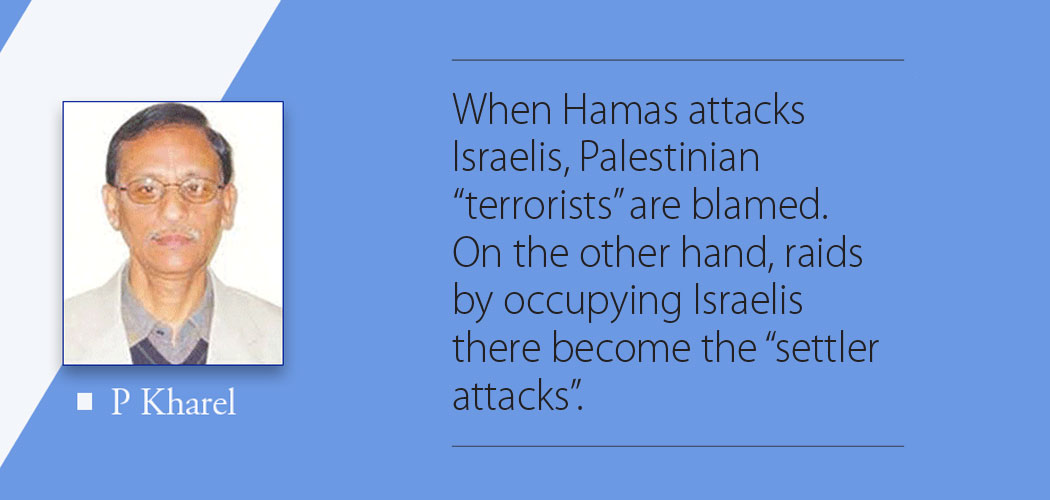
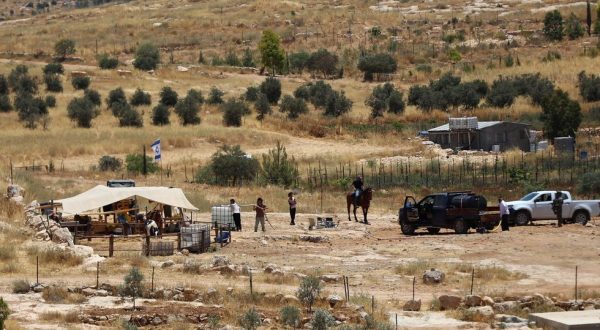
The article draws attention to what it describes as double standards in how conflicts are framed and reported. Actions by Hamas are consistently labeled as terrorism, while similar actions by Israeli settlers are often described as “attacks.” This linguistic disparity, the author argues, reflects a broader pattern of bias that permeates media coverage. The case of Venezuela’s 2024 presidential election is also cited, with parallels drawn between claims of electoral fraud made by defeated candidate Edmund Gonzalez and those previously asserted by Donald Trump regarding the 2020 US election.
The Rise of Multipolarity
China's economic ascent has surpassed that of the European Union, a development the Western media reportedly avoids discussing. The author suggests this reluctance to acknowledge shifting power dynamics is indicative of a broader resistance to accepting a multipolar world order. Caution and measured progress are deemed acceptable, but excessive delay in recognizing new realities could prove detrimental. The article implies that engaging with emerging powers—like China—is not taboo, but requires judicious handling.
Erosion of Media Integrity
The deterioration in the quality of news media content is identified as a concerning trend, leaving it vulnerable to manipulation by advertisers, authoritarian leaders, and corrupt authorities. The author calls for intervention from conscientious individuals with social standing to address this decline and restore journalistic integrity.
The analysis concludes that addressing historical grievances and ensuring unbiased reporting are crucial steps towards navigating the complexities of a changing global landscape.
(With inputs from RN)
Originally published on abcnews.com.np.

प्रतिक्रिया दिनुहोस्