

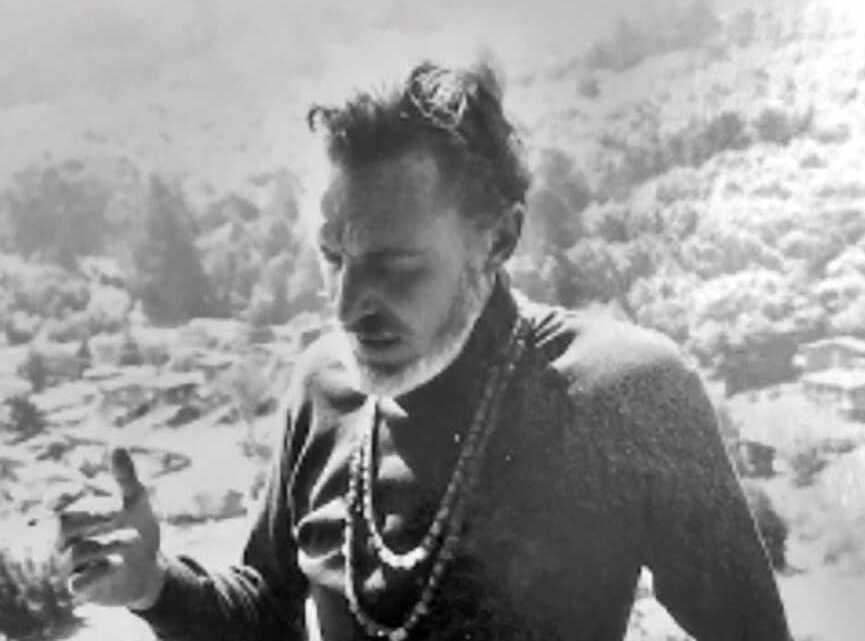
Kathmandu— On August 16, 2026, a gathering at the Counterculture Museum on Haight Street in San Francisco marked both the centennial of Lewis Barrett Welch’s birth and the 55th anniversary of his death; Welch, known as Lew to friends, took his own life in 1971 after leaving a note and venturing into the wilderness near Gary Snyder's home, never to be seen again. The event served as a remembrance of the poet who straddled the worlds of Beat poetry and the burgeoning hippie movement, grappling with personal demons while seeking connection between Zen philosophy and modern verse. Attendees reflected on Welch’s life, his struggles, and the enduring legacy of his work, acknowledging both the pain of his passing and the power of his artistic vision.
A Final Farewell
Welch left behind a poignant suicide note, described as a “Zen document,” detailing his feelings of failure and inability to reconcile his visions with reality. He entrusted Don Allen with his literary estate, directing him to manuscripts held by Gary Snyder and Grove Press, and designated $2,000 in a Nevada City bank account to settle his debts. The note concluded simply: “I went Southwest. Goodbye.” Welch’s willingness to pen a farewell to friends underscored the weight of his decision and the desire to offer some closure.
Reflections on a Generation
The commemoration at the Counterculture Museum was described as a heavy occasion, marked by reflection on both Welch's life and the broader cultural shifts of the era. Peter Coyote, known for his work with The Diggers and voice-over narration in Ken Burns documentaries, spoke about “the mistakes we made,” alluding to the perceived failures of the 1960s counterculture. He suggested that Ronald Reagan’s presidency was a consequence of those excesses, and positioned Welch as part of a larger “great underground” alongside figures like Snyder, Ginsberg, and Kerouac. Jerry Cimino, co-founder of the CCM, noted the pendulum swing of history away from the extremes of the Sixties.
A Life Lived on the Edge
Welch was characterized as a complex figure—an “orator” and “rock star” by his stepson, Huey Lewis of Huey Lewis and the News—who attempted to bridge disparate worlds. He sought to synthesize Beat aesthetics with hippie sensibilities, Zen Buddhism with modernist poetry, all while battling alcoholism and advocating for ecological awareness. The author suggests that Welch may not have failed in his pursuits, but rather pushed the boundaries of human experience as far as possible.
Remembering a Tribe
The gathering at the CCM was more than just a memorial; it was an act of collective remembrance by a “tribe” of those who knew and admired Welch. The author emphasizes the importance of remembering members of this community, ensuring that their contributions are not forgotten. This sense of belonging and shared history underscored the enduring impact of Welch’s life and work on those who continue to celebrate his legacy.
The centennial commemoration served as a testament to Lew Welch's lasting influence, reminding attendees and readers alike of a poet whose struggles and artistic vision continue to resonate decades after his disappearance.
(With inputs from CounterPunch)
Originally published on abcnews.com.np.





प्रतिक्रिया दिनुहोस्