

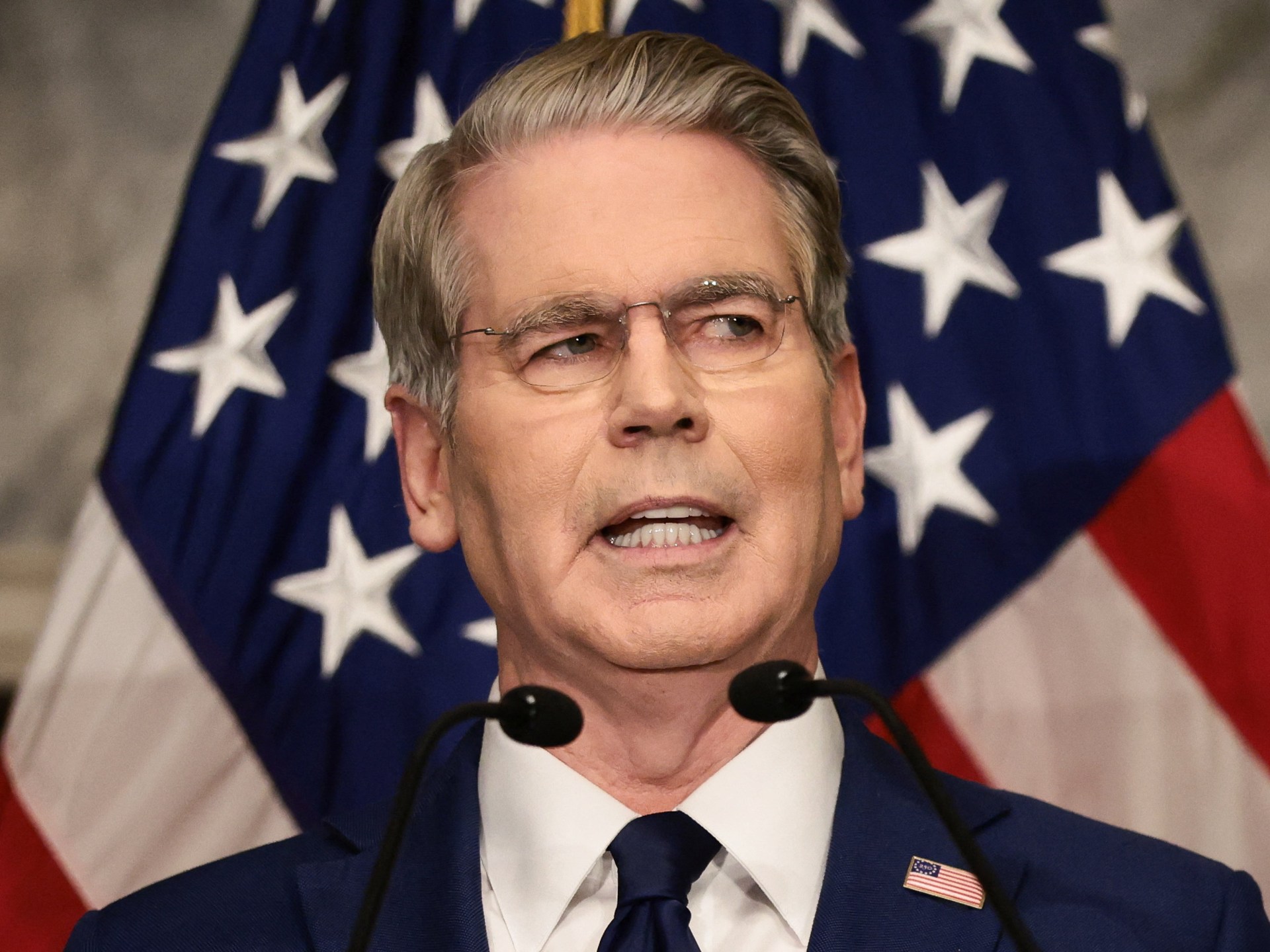
Kathmandu— The United States has announced a new wave of economic sanctions against Iran, targeting its aviation, technology, shipping, and digital asset sectors as tensions escalate. Treasury Secretary Scott Bessent described the measures as an attempt to cripple Tehran’s revenue streams and is urging global partners to sever economic ties with the country. The sanctions build on decades of penalties, briefly eased by a 2015 nuclear deal but reinstated in 2018, and are already impacting oil prices, gold markets, and consumer costs in the US.
Scope of New Sanctions
The Treasury Department’s sanctions target a broad range of Iranian industries, including aviation, digital assets, gold, technology, and shipping. Sixty individuals and vessels have also been specifically sanctioned. These measures aim to restrict Iran's access to materials for its weapons programs and disrupt the transport of oil and sensitive components. Washington is also suspending exceptions to existing sanctions covering academic exchanges, personal money transfers, and certain sporting activities, requiring organizations to wind down operations by September 8th.
Impact on Global Trade
China remains a key trading partner for Iran, purchasing approximately 90 percent of its crude oil exports – around 1.4 million barrels per day in 2025. The sanctions also affect countries reliant on the Strait of Hormuz, a vital oil transit route that Iran has partially blocked. Rachel Ziemba, an adjunct senior fellow at the Center for a New American Security, noted that while “today’s sanctions are mostly incremental,” they represent an effort to intimidate remaining trading partners into cutting ties with Tehran. The measures target ships associated with countries like Singapore, China, and Hong Kong.
US Consumer Costs Rise
The tightening of the global oil supply due to pressure on the Iranian market is already being felt by US consumers at the petrol pump. The average price for a gallon of gasoline has risen from $2.98 in late February to $4.09, according to the American Automobile Association (AAA). Experts warn that further escalation could lead to even higher prices for fuel, airfare, freight costs, and overall inflation. John Deal, managing director of capital markets at Post Oak Group investment bank, cautioned that if Iranian retaliation disrupts Gulf shipping, “Americans could feel it very quickly.”
Market Reactions
The announcement of new sanctions has triggered volatility in global markets. The price of gold, often seen as a safe haven during economic uncertainty, jumped 0.8 percent to $4,639.49 per ounce. Oil prices initially pulled back, with Brent crude falling more than 2 percent to $85.22 a barrel. Wall Street indices are mixed, while oil sector stocks like Chevron, ExxonMobil, BP, and Shell have experienced declines.
The sanctions campaign is expected to continue as the US maintains pressure on Iran, with potential for further escalation depending on Tehran’s response and the evolving geopolitical landscape.
(With inputs from Al Jazeera)
Originally published on abcnews.com.np.



प्रतिक्रिया दिनुहोस्