

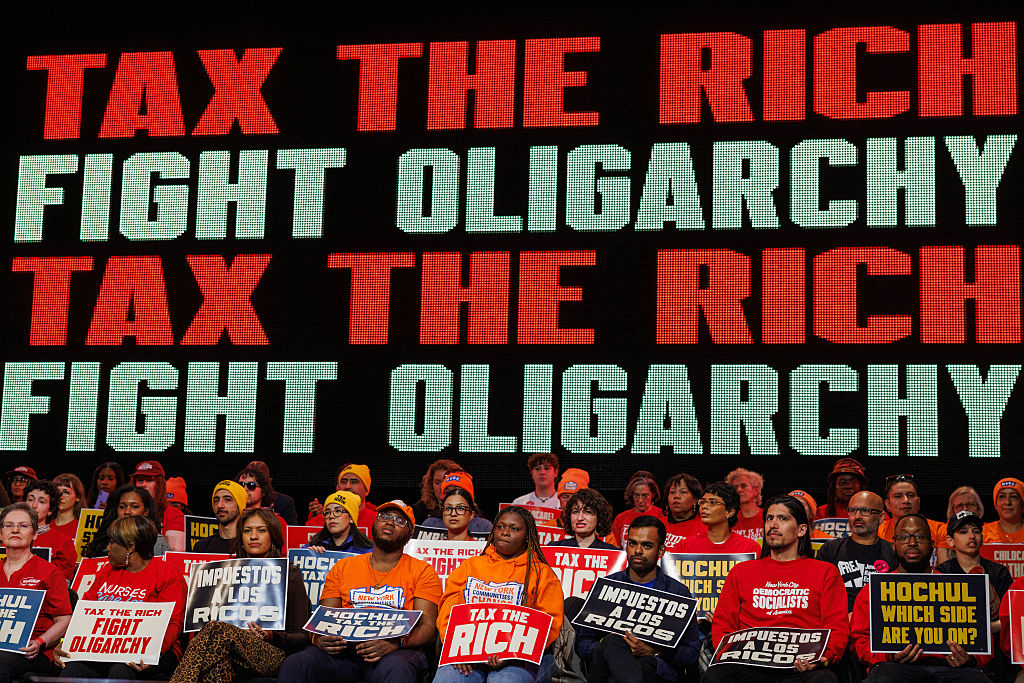
Kathmandu— Socialist candidates are experiencing increasing electoral success throughout the United States, often without the backing of established unions. This trend presents a significant opportunity for organized labor to support ambitious, pro-worker politicians and leverage their victories, but many unions have been slow to embrace this shift, prioritizing establishment ties over ideological alignment.
A Shift in Political Power
The surge in power of the Democratic Socialists of America (DSA) is widely acknowledged, eliciting varied reactions from across the political spectrum. While veteran leftists view it as a long-awaited culmination of years of organizing and young voters express optimism, members of the Democratic establishment have been caught off guard. Republicans, predictably, decry the rise of socialism. Unions, however, remain largely undecided about how to respond.
New York as a Case Study
The election of Zohran Mamdani as New York City mayor marked a turning point for DSA’s national profile. Initially considered a long-shot candidate against the established former Governor Andrew Cuomo, Mamdani received endorsements from only a few local unions with existing ties to the Left. The city's larger and more powerful unions largely backed Cuomo or remained neutral in the primary. Following Mamdani’s victory, these same unions quickly endorsed him—a pattern repeated in subsequent DSA-backed congressional primaries. Claire Valdez, a UAW organizer running for Congress, also received limited union support despite winning her race.
Establishment Ties and Missed Opportunities
New York City's major unions prioritize membership within the Democratic Party power structure, which isn’t inherently negative—it provides some protection against lobbying from high finance. However, this allegiance to the establishment has led to an aversion to prioritizing ideology over maintaining existing relationships. Despite DSA candidates consistently championing union causes and frequently appearing on picket lines, many unions hesitated to endorse them until after they had already proven their electoral viability. This cautious approach is seen by some as political common sense, but also as a missed opportunity to proactively shape the political landscape.
A Moment for Bold Action
While DSA candidates have not demonstrated a tendency towards retribution, it’s noteworthy that unions lacked the foresight to fully support them earlier in the process. The rising power of DSA is likely to continue, and unions that align themselves now will gain a political advantage over those who remain hesitant. Unions are in need of fresh energy and ideas, as many members have grown disillusioned with the Democratic establishment. A key policy example is Claire Valdez’s plan for federal funding of union organizing—a proposal gaining little traction within the Democratic Party but which unions could champion through their support of DSA candidates.
Lessons from Bernie Sanders
This dynamic mirrors the 2016 presidential election, when forward-thinking unions had an opportunity to back Bernie Sanders, a staunch advocate for the labor movement. However, they largely supported Hillary Clinton and ultimately gained little in return. As Sanders’ movement continues to grow over the next decade, unions face a similar choice: embrace the rising tide of progressive energy or risk being left behind.
With America facing growing inequality, declining union density, and increasing wealth concentration, significant change is inevitable. Unions can play a vital role in shaping that change by aligning with DSA and pushing for policies that benefit workers, or they risk becoming irrelevant as more agile progressive groups take the lead.
(With inputs from Jacobin)
Originally published on abcnews.com.np.





प्रतिक्रिया दिनुहोस्