

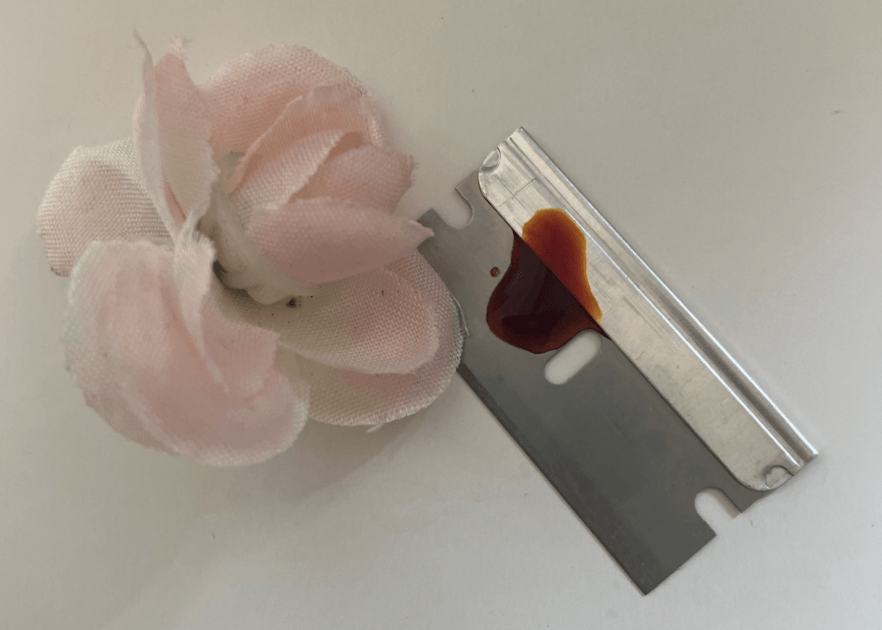
Kathmandu— Despite being illegal under federal law, female genital mutilation/cutting (FGM/C) affects an estimated 513,000 women and girls in the United States, with cases concentrated in states with large diaspora communities from countries where the practice is traditional. Driven by cultural identity, social pressure, and misconstrued religious beliefs, FGM/C—a violent procedure involving the partial or total removal of external female genitalia—remains largely unknown to the general public despite its severe physical and psychological consequences. While legislation exists, including prohibitions on ‘vacation cutting’ abroad, enforcement has been limited with only two federal prosecutions in U.S. history.
A Practice Rooted in Tradition and Harm
FGM/C is sustained by a complex web of cultural factors, often framed as a rite of passage or a means to ensure purity, protect honor, or control girls’ sexuality. Though no major religion mandates the practice, it persists within communities where it is deeply ingrained. The procedure, most commonly performed on girls between infancy and adolescence but also affecting adult women, carries immediate risks including extreme pain, hemorrhage, and infection. Beyond these acute complications, FGM/C inflicts lasting physical and psychological harm, diminishing or eliminating sexual pleasure due to the removal of vital tissue.
Legal Frameworks and Limited Enforcement
The United States has federal laws prohibiting FGM/C, with most states also enacting their own bans. Congress has specifically criminalized taking girls abroad for the procedure—known as ‘vacation cutting.’ However, legislation alone hasn’t significantly curbed the practice or improved care for survivors. Despite penalties of up to 10 years in prison under federal law, there have been only two successful prosecutions nationwide.
Systemic Gaps in Detection and Care
While FGM/C is illegal in many countries and condemned by international organizations like the World Health Organization and UNICEF, its prevalence continues to rise within diaspora communities in industrialized nations. The Centers for Disease Control and Prevention estimates up to 513,000 women and girls are affected or at risk in the U.S., concentrated in states such as Minnesota, California, New York, Texas, Washington, and Virginia. Unlike countries like France, the U.S. lacks a national surveillance system, dedicated clinics, and systematic obstetric screening—creating significant blind spots for detection and prevention. Many U.S. physicians also lack adequate training to identify or treat FGM/C, leading to under-documentation in emergency rooms and limited attention within medical school curricula.
The Need for Comprehensive Solutions
Addressing this issue requires a multi-faceted approach that strengthens legal enforcement, trains medical personnel, integrates FGM/C education into healthcare training programs, and provides clinical guidelines for managing related health complications. Access to sexual and reproductive healthcare and mental health services is crucial for survivors. Aissata Camara, a young participant in an event focused on ending FGM/C, emphasized the importance of youth involvement: “We want to stress the fact that youth cannot and will not be ignored…Ending it is a battle we can win. It can end with us.” Importantly, many individuals from communities where FGM/C is practiced now actively oppose it and are valuable allies in prevention efforts.
Shifting Perspectives on a Domestic Issue
The persistence of FGM/C within the U.S. demands a shift in perspective—moving away from viewing it as an “imported” problem to recognizing it as a form of gender-based violence affecting thousands of girls and women domestically. The medical system must adapt to the needs of diverse communities while upholding its commitment to patient care and human rights.
Ending FGM/C in the United States requires sustained effort, increased awareness, and a collaborative approach involving legal authorities, healthcare professionals, community leaders, and survivors themselves.
(With inputs from CounterPunch)
Originally published on abcnews.com.np.





प्रतिक्रिया दिनुहोस्