

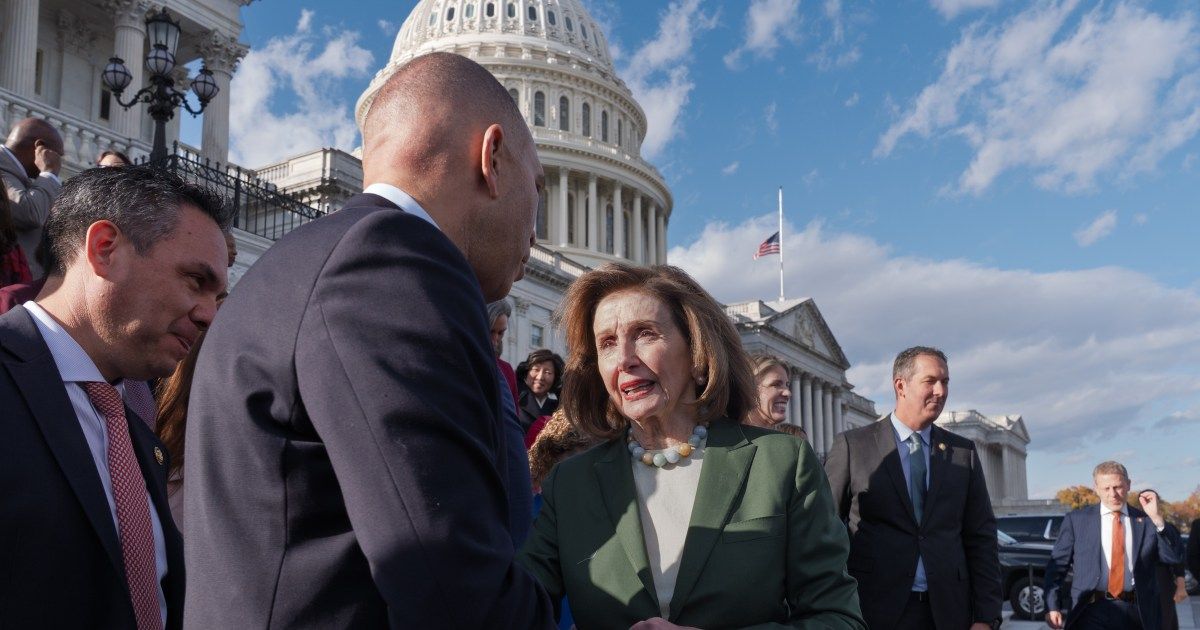
Kathmandu— Recent primary victories by outspoken critics of Israel within the Democratic party have sparked optimism among some on the left, but a closer look reveals that the party’s core commitment to supporting Israel remains unchanged. Despite increasingly vocal concerns from voters – and even some acknowledgement of wrongdoing from prominent Democrats – the establishment continues to prioritize appealing to both pro-Palestine voters ahead of the midterms and maintaining its long-held support for Israel. The shift appears largely strategic, aimed at navigating a changing electorate rather than signaling a fundamental change in policy.
Progressive Victories Mask Deeper Trends
The election of candidates like Abdul El-Sayed in Michigan and Adam Hamawy in New Jersey, both vocal critics of Israel, initially suggested a growing willingness within the Democratic party to challenge established norms. El-Sayed won his nomination despite over $54 million spent against him by AIPAC and its allies, marking what became the most expensive Democratic Senate primary in US history. Hamawy’s background as a medical volunteer who remained in Gaza until all members of his team evacuated also resonated with voters. However, analysts argue these wins do not necessarily indicate a broader shift within the party.
Evolving Public Opinion and Political Calculations
Recent polls demonstrate a growing disconnect between Democratic voters and unwavering support for Israel. A May poll by The New York Times/Siena College found that nearly three-quarters of Democrats disapprove of aid to Israel, while a Quinnipiac University survey showed 66 percent believe the US is too supportive. Pew Research data from April revealed an 80 percent unfavorable view of Israel among Democrats – a significant increase from 53 percent in 2022. These numbers have prompted Democratic leadership to reassess its approach, recognizing that overt support for Israeli policies is becoming increasingly politically costly.
Rhetorical Shifts and Symbolic Gestures
While some prominent Democrats are now expressing regret over past actions or acknowledging potential war crimes committed by Israel – such as former presidential candidate Kamala Harris and former State Department Spokesperson Matthew Miller – critics argue these statements amount to little more than election-season rhetoric. A recent House vote to strip Israel of $3.3 billion in military aid, while supported by nearly half of House Democrats including Nancy Pelosi, ultimately failed due to opposition from Republican and some Democratic representatives. The vote was seen as a politically useful gesture that allowed the party to appear responsive to voter concerns without actually impacting Israeli funding.
AIPAC's Continued Influence
Despite facing increased scrutiny, AIPAC continues to exert significant influence over Democratic politics. The organization has adapted its strategies by routing funds through less transparent channels and directing donations through candidate-specific portals, obscuring its direct involvement in campaigns. Having spent over $100 million on this midterm race, AIPAC is expected to maintain its support for pro-Israel candidates and policies within the Democratic party. Even elected progressives like Representative Ro Khanna and Brad Lander, while critical of Israel, have stopped short of fully endorsing Palestinian rights or supporting a complete end to aid.
Limited Solidarity and Ongoing Pressure
Many Palestinians express skepticism towards what they perceive as superficial solidarity from Democratic politicians who use their cause for electoral gain. While acknowledging the potential benefits of increased progressive representation in Congress, activists emphasize the need to continue pushing for concrete action on Israel and rejecting attempts by the party to merely pay lip service to Palestinian rights. The author argues that supporting progressive candidates willing to confront AIPAC and Israel is crucial for building leverage and advancing Palestinian human rights.
The coming elections will be a key test of whether these trends continue, as activists seek to translate growing public awareness into tangible policy changes and hold elected officials accountable for their actions.
(With inputs from Al Jazeera)
Originally published on abcnews.com.np.




प्रतिक्रिया दिनुहोस्