


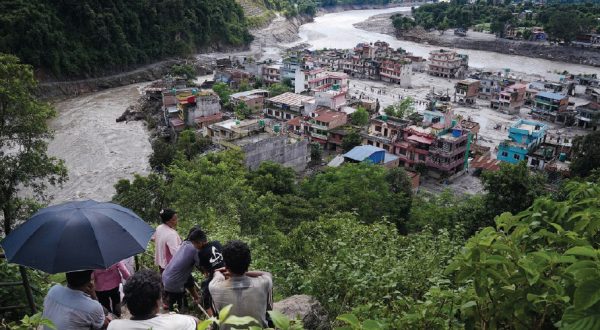
Kathmandu— Following devastating flash floods in the Bhotekoshi River basin, Nepal’s Prime Minister Balendra Shah addressed the nation on Thursday outlining the government's full-scale response to the disaster. The focus remains on saving lives, locating missing persons, providing medical care for the injured, and delivering immediate relief to survivors in Nuwakot, Rasuwa, and Dhading districts. Shah detailed the mobilization of all state mechanisms – including over 13,000 security personnel – alongside support from national and international organizations, ensuring no shortage of resources for ongoing rescue and rebuilding operations.
Extensive Rescue Operations Underway
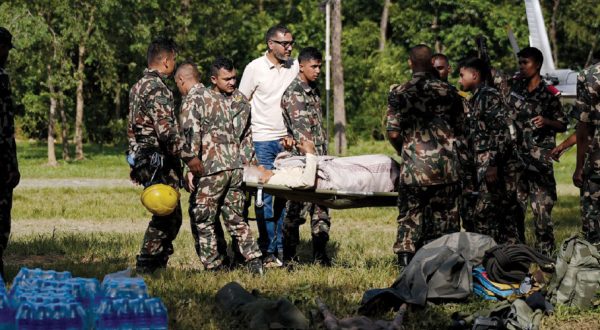
Rescue efforts are being conducted both by air and land, with 351 individuals rescued via 69 helicopter flights on Thursday alone. Additional helicopters, including privately owned aircraft operating under government coordination, remain on standby to prioritize the evacuation of vulnerable populations – including the sick, pregnant women, children, the elderly, and people with disabilities. Citizens and security personnel stranded in affected areas are being relocated to safe locations, with temporary shelter provided for approximately 3,500 individuals in schools and community buildings.
Resource Mobilization and Relief Distribution
The government has assured adequate resources and budgets for the immediate relief of those impacted in Rasuwa, Nuwakot, and Dhading. Ten trucks carrying essential supplies – including noodles, biscuits, sleeping bags, mattresses, and blankets – have been dispatched, with additional food and non-food items being transported by helicopter. Support is also coming from organizations like the Nepal Red Cross, which has sent relief materials to reach approximately 30,000 people, as well as Lions Club and Nepal Scouts.
Healthcare System on High Alert
Kathmandu Valley hospitals – including Bir Hospital, Trauma Centre, Teaching Hospital, Civil Hospital, Patan Hospital, and Police Hospital – are operating around the clock to provide care for airlifted patients. Adequate emergency beds have been prepared, along with medical teams, medicines, ambulances, and blood transfusion services. The Prime Minister also highlighted efforts to restore essential infrastructure such as roads, bridges, drinking water, electricity, and telecommunications, directing relevant ministries to mobilize necessary workforce and equipment.
International Aid and Ongoing Assessments
Nepal is receiving international assistance for both immediate relief and long-term rehabilitation. Relief materials have been received from India, with additional support pledged by the US, EU, WHO, and RFRC. Private sector contributions are also being integrated into the overall response. Drone surveys and on-site assessments are ongoing to gather accurate data on damages, enabling more precise and effective relief efforts. Citizens in riverside areas have been urged to remain vigilant for potential landslides and other risks.
The Prime Minister pledged financial assistance to the families of those who perished in the disaster, as per existing legal provisions, and confirmed that both national and international aid is being mobilized to support post-disaster relief and rehabilitation efforts.
(With inputs from RN)
Originally published on abcnews.com.np.
प्रतिक्रिया दिनुहोस्