

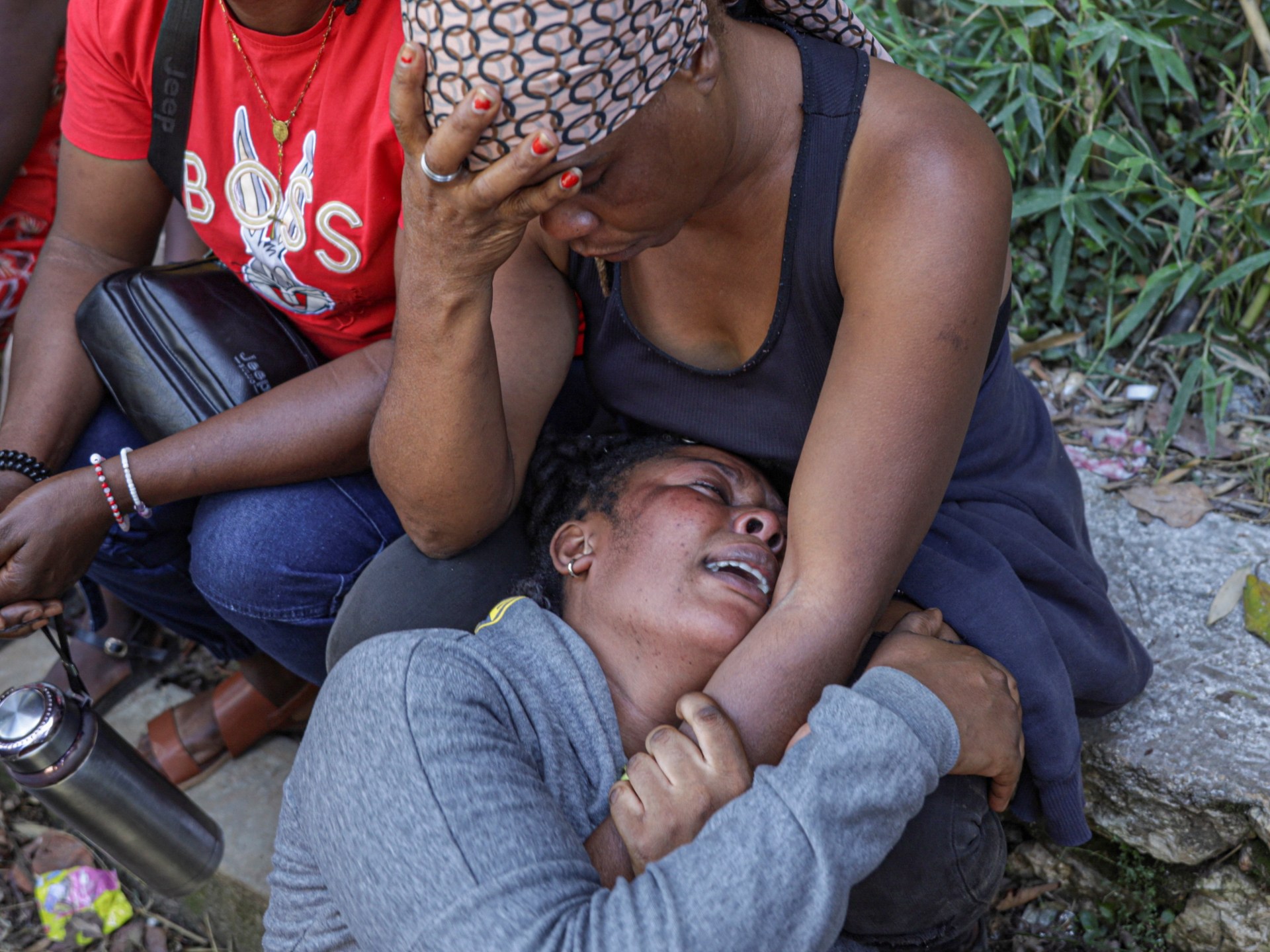
Kathmandu— Following a mass kidnapping in the Haitian community of Kenscoff on August 23rd, thirteen captives – six children and seven women – have been released by armed gangs. The attack, believed to have been carried out by approximately 150 gang members, resulted in at least 47 deaths and the abduction of over 50 people from the hillside community overlooking Port-au-Prince. The incident underscores a growing crisis of organized violence in Haiti, fueled by political instability and exacerbated by natural disasters, leaving thousands displaced and vulnerable.
Escalating Violence in Kenscoff
The attack unfolded as armed gang members opened fire on residents in the streets of Kenscoff, pursuing some into a local Protestant church. According to UN reports, 22 people were killed inside the church courtyard and another dozen behind the building. Beyond the immediate casualties, an estimated 2,647 residents have been displaced from their homes, seeking safety in neighboring communities, with some houses deliberately set ablaze. This abduction was not an isolated incident but rather a stark reminder of the scale and frequency of attacks on children across the country, according to Yannig Dussart, UNICEF’s deputy representative in Haiti.
A History of Instability
Haiti has long struggled with the presence of armed groups, particularly as it grapples with the aftermath of natural disasters like hurricanes and earthquakes. The 2010 cholera outbreak, believed to have been caused by UN peacekeepers, further destabilized the nation, claiming over 10,000 lives. However, political instability is widely seen as a key factor in allowing armed groups to expand their control. The assassination of President Jovenel Moise in 2021 led to an unelected prime minister taking power and a lack of elected officials, with the last presidential election held in 2016.
Widespread Displacement and Human Rights Concerns
The escalating violence has resulted in widespread displacement across Haiti. As of May, approximately 1.47 million people have been forced to leave their homes. Between April and June alone, the UN recorded 1,408 deaths and 656 injuries due to gang violence. Advocates also warn that armed groups are increasingly using sexual violence as a tactic for control, with the UN documenting 326 instances of such violence during the same three-month period. The situation has prompted international intervention, including the deployment of the first members of a UN-backed Gang Suppression Force (GSF) in April, though its effectiveness remains limited.
Calls for Increased Security and Accountability
Following the Kenscoff attack, the Haitian government pledged to deploy reinforcements to restore order, stating that “all security forces are placed in a state of maximum alert.” However, some gang members reportedly threatened on social media to execute captives if security operations continued. During an emergency meeting of the UN Security Council, Carlos Ruiz Massieu, the special representative for the UN’s secretary-general in Haiti, called for the immediate and unconditional release of all remaining abductees, emphasizing that the massacre was not an isolated tragedy but part of a pattern of attacks targeting communities beyond the capital.
While the release of the thirteen captives offers a glimmer of hope, the broader crisis in Haiti remains unresolved. A general election is scheduled for December, though multiple postponements have cast doubt on its feasibility, and the country continues to grapple with widespread violence, displacement, and political instability.
(With inputs from Al Jazeera)
Originally published on abcnews.com.np.



प्रतिक्रिया दिनुहोस्