

Kathmandu— Following devastating flash floods that struck Nepal’s Rasuwa district on August 26th, authorities have begun the process of burying unidentified remains while meticulously preserving DNA evidence for potential family identification and repatriation. The management of these bodies is being carried out in accordance with the ‘Directive on Management of Unidentified Bodies and Unattended Dead Bodies (first amendment), 2083’, ensuring a scientific and respectful approach to a sensitive situation. This process allows for future exhumation and handover should relatives come forward and DNA matching confirm their relationship.
Flood Aftermath and Body Recovery
The catastrophic flash floods in Rasuwa district resulted in numerous fatalities, with bodies recovered from various locations in the aftermath. Managing these remains, particularly those that are unrecognizable, presented a significant challenge for local authorities.
The government initiated procedures to inter the corpses while simultaneously safeguarding DNA samples and other identifying markers.
Legal Framework and Protocol
The inhumation process is being conducted under the guidelines of the ‘Directive on Management of Unidentified Bodies and Unattended Dead Bodies (first amendment), 2083’. This directive outlines provisions for respectful handling, DNA preservation, and potential exhumation should family members be identified in the future. The law stipulates that if heirs are found, the body or organs will be respectfully returned.
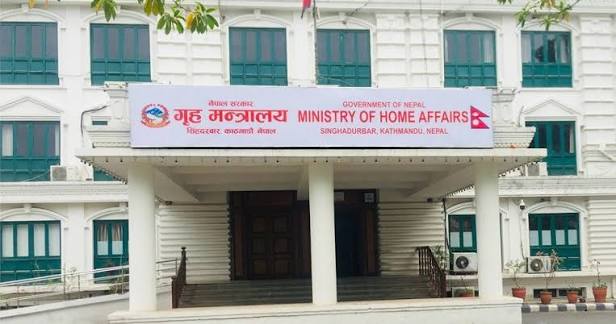
Anand Kafle, spokesperson at the Ministry of Home Affairs, emphasized that all procedures align with legal requirements and refuted any claims to the contrary. “We have followed the Directive while managing the dead bodies. We have also completed scientific process,” he stated.
Public Health Considerations
Dr. Amrit Pokharel, a public health expert at the Epidemiology and Disease Control Division, highlighted the importance of timely management of deceased individuals to mitigate potential public health risks. He explained that leaving bodies unattended for extended periods could increase these risks.
“The risk of public health may increase once the dead bodies are left unattended for a long time. That's why, underground management of the bodies is essential,” Dr. Pokharel said. Collecting and preserving DNA samples before burial is considered both scientific and responsible.
Identification Process and Record Keeping
Each body is assigned a unique identification number, and detailed records – including physical characteristics, identification numbers, and DNA samples – are being meticulously maintained. This system allows relatives to potentially identify their loved ones through scientific testing in the future.
The government’s commitment to preserving these samples ensures that families have the opportunity for closure and proper last rites should a positive match be established.
The ongoing efforts prioritize both respectful management of the deceased and the possibility of future identification, providing a pathway for families to reclaim their loved ones. The process is expected to continue as authorities work through the recovery phase following the devastating floods.
(With inputs from RN)
Originally published on abcnews.com.np.


प्रतिक्रिया दिनुहोस्