

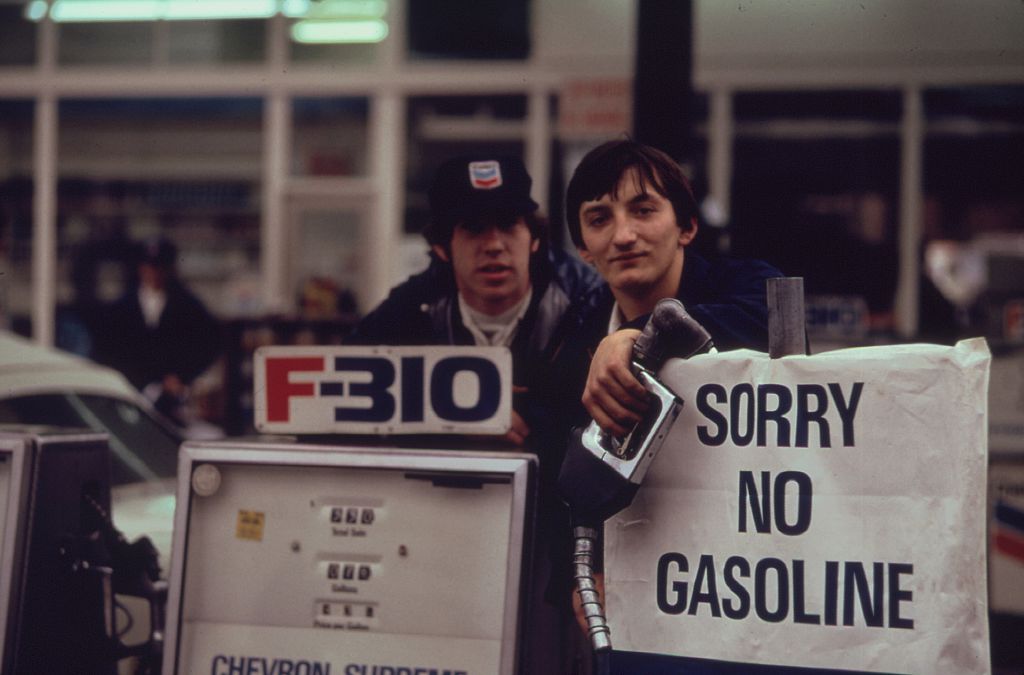
Kathmandu— On August 15, 1971, President Richard Nixon announced the end of the Bretton Woods system by closing the gold window, which allowed foreign central banks to exchange dollars for US gold. This decision was driven in part by the Vietnam War's financial strain on the United States and its impact on inflation. The oil crisis that followed two years later further exacerbated economic pressures, leading to a narrative that blamed welfare programs and workers for the ensuing stagflation.
End of Bretton Woods System
Nixon's decision to suspend convertibility of dollars into gold marked the end of the postwar monetary order. The United States had promised to redeem dollars for gold at a fixed price, but the Vietnam War drained resources and increased spending, leading to inflationary pressures. This move allowed greater monetary freedom but also led to dollar depreciation, contributing to higher oil prices.
Oil Crisis and Inflation
The October War in 1973 between Israel and Arab states led to an embargo on oil exports by Arab producers, causing crude oil prices to skyrocket. This shock turbocharged existing inflationary pressures, primarily through cost increases rather than due to generous welfare programs or high wages.
Petrodollar System
After Nixon's decision, the United States reinforced its position as the world’s principal reserve currency by establishing a petrodollar system with Saudi Arabia. This agreement required oil producers to reinvest their dollar surpluses in US government securities and banks, further entrenching the dollar’s global dominance.
Stagflation and Policy Shifts
The oil crisis popularized the term stagflation, characterized by rising prices alongside slow growth and high unemployment. This challenged Keynesian economic models and led to a shift toward prioritizing low inflation over full employment and wage increases.
(With inputs from Jacobin)
Originally published on abcnews.com.np.





प्रतिक्रिया दिनुहोस्