

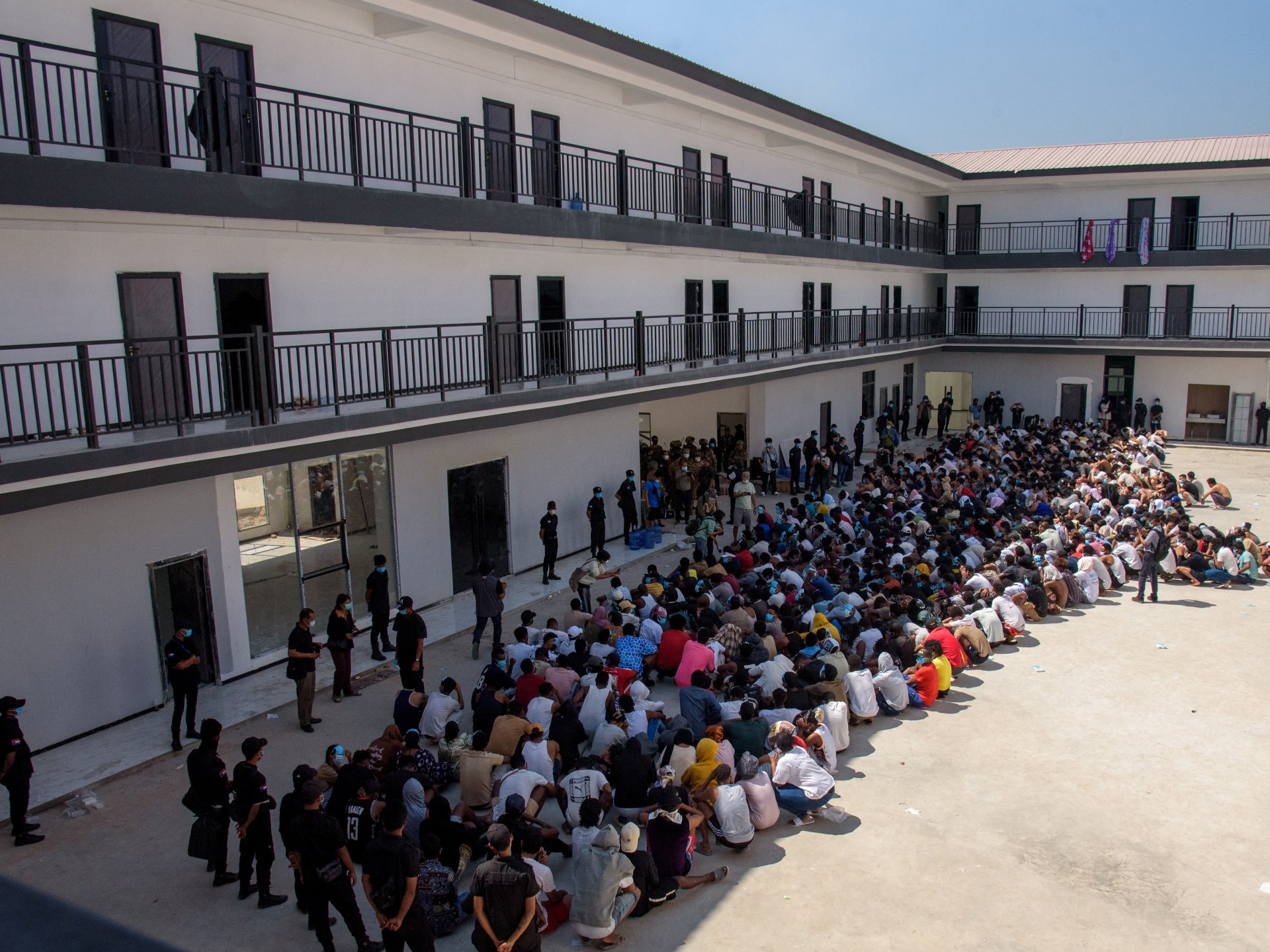
Kathmandu— Traffickers are targeting educated, skilled, and ambitious young job seekers with false promises of good salaries and sponsored visas. These individuals, often fluent in English and comfortable online, are recruited under the guise of legitimate job offers but are instead forced to run online scams upon arrival at their destination. The practice is widespread across Southeast Asia and increasingly affecting African countries like Rwanda, Ethiopia, Kenya, Uganda, and Tanzania.
Trafficking Operations
The traffickers' modus operandi involves luring victims with attractive job offers that promise good salaries, visa sponsorship, and even flight arrangements. Once the individuals arrive at their destination, their passports are confiscated, and they are confined to compounds where they are forced to run online scams. These scams involve impersonating strangers, building false relationships, and persuading people to send money. Those who fail to meet their targets may face physical abuse or solitary confinement.
Impact on Victims
The victims of these trafficking schemes often come from families that have sold land or taken on debt to raise funds for their release. In Rwanda, two survivors shared their experiences with the author, revealing how they were forced to impersonate women online and build romantic relationships with people in Europe. Today, these survivors are working alongside the International Organization for Migration (IOM) to warn communities about the dangers of such job offers.
Global Scale
The scale of this criminal activity is vast, with at least 300,000 people estimated to have been trafficked into scam compounds across Southeast Asia. The scams cost an estimated $88 billion to $114 billion in the Asia Pacific region alone in 2025. The threat has also expanded into Africa, where fraudulent job offers are reaching young graduates and other job seekers through social media.
Government Responses
Governments need to close gaps between different authorities by providing trusted ways to verify overseas employers, recruiters, contracts, and visas. Labour, border, police, and consular authorities must share alerts quickly and investigate networks together. Technology companies also have a role in detecting and removing deceptive advertisements and preserving evidence that can help identify those responsible.
Survivors need protection, medical care, psychological support, and assistance to rebuild their lives. Jobseekers should take precautions but the burden of defeating these sophisticated criminal networks cannot rest on them alone.
(With inputs from Al Jazeera)
Originally published on abcnews.com.np.






प्रतिक्रिया दिनुहोस्