

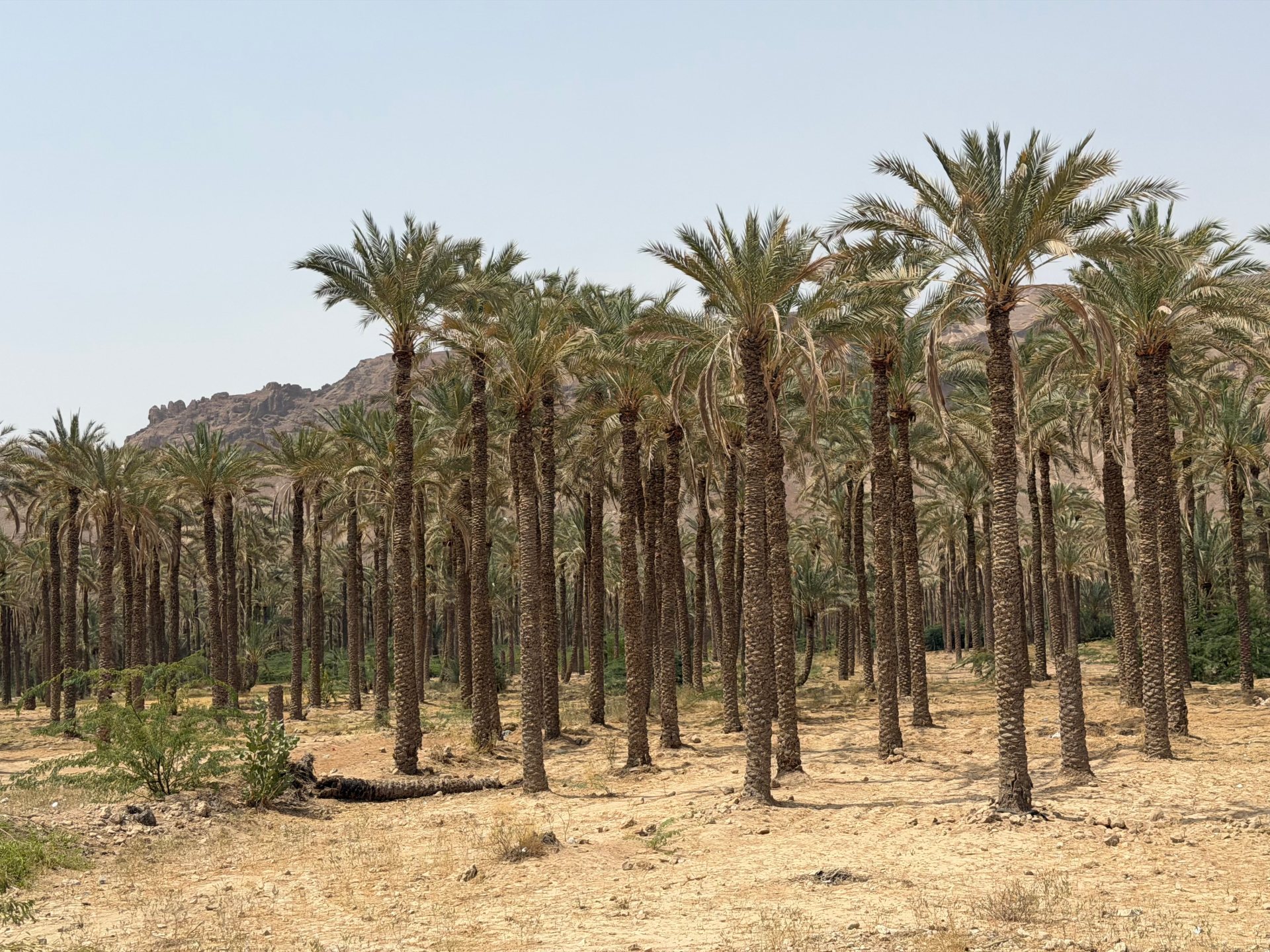
Kathmandu— In Hajr, a district in eastern Yemen’s Hadramout region, farmers are relying on traditional methods to harvest dates as their primary economic lifeline. Despite facing deteriorating infrastructure and climate challenges, these farmers continue to work under harsh conditions to produce and sell dates, which provide both income and food security for some of the poorest families.
Harvesting Techniques
Farmers in Hajr, including Nabeel Ahmed and his family, start their day before sunrise to work on rocky grounds where they spread dates to dry and clean them. They turn and sort the fruit daily, removing any rotten or damaged ones to make the harvest more appealing for buyers. The process follows centuries-old techniques that have endured despite modern challenges.
Economic Challenges
The farmers face significant economic hurdles as they rely on selling their dates to repay debts and purchase essential goods throughout the year. Rashed Mohammed, a father of four, is among those who worry about repaying his debt if he cannot sell his harvest at satisfactory prices during the few remaining days of the season.
Infrastructure and Health Issues
Hajr's infrastructure struggles include poor road conditions, lack of electricity, and limited mobile phone services. The district has also experienced repeated cholera outbreaks due to inadequate sanitation and a lack of clean water access. These challenges exacerbate the economic difficulties faced by farmers.
Future Prospects
Farmers in Hajr are calling for the reconstruction of a small dam that was destroyed by floods, which would help divert more water to their palm groves and support date production. They also advocate for the construction of a date-processing factory to streamline packaging and marketing efforts.
(With inputs from Al Jazeera)
More from the source


Originally published on abcnews.com.np.




प्रतिक्रिया दिनुहोस्