

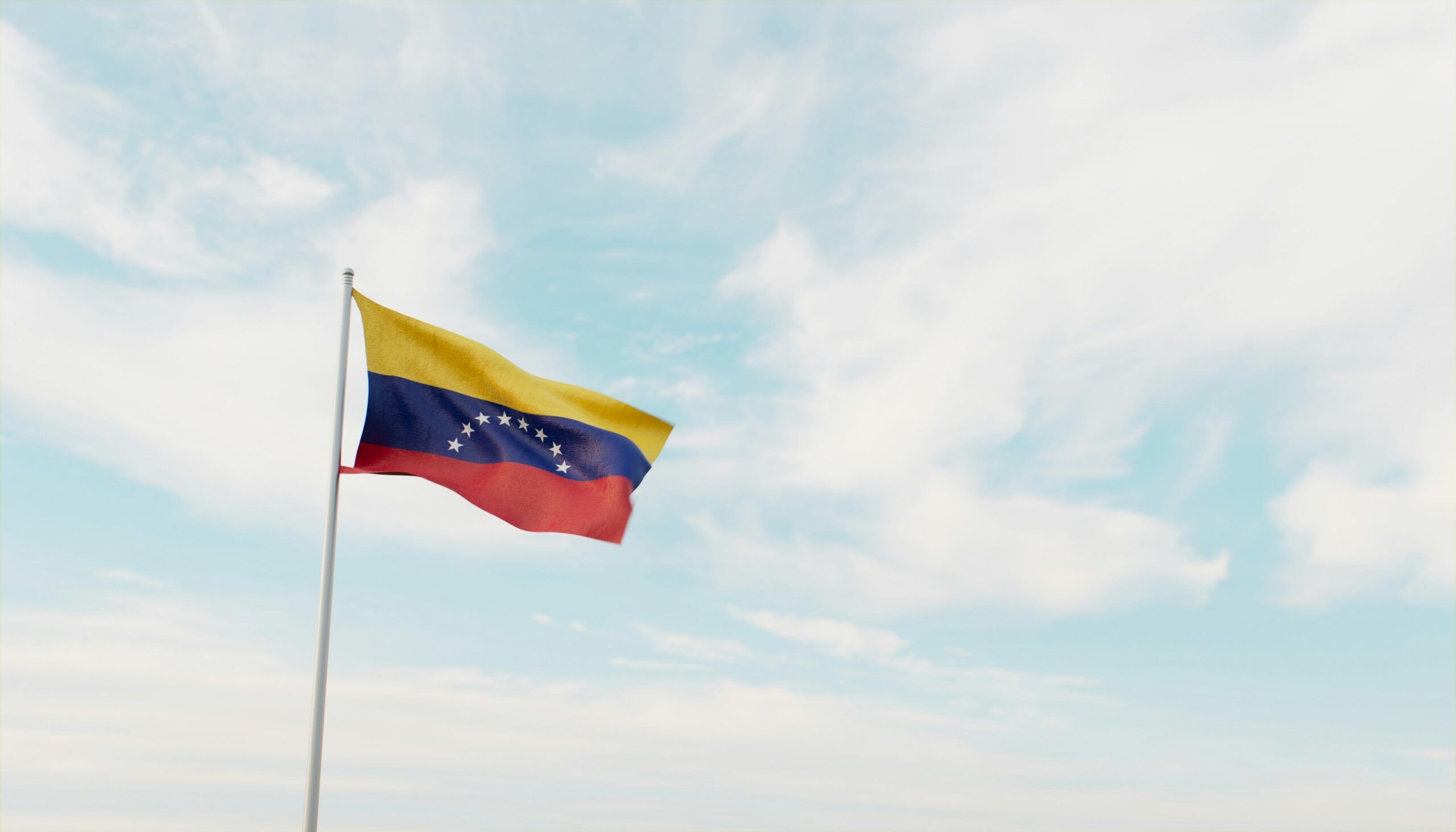
Kathmandu— Ever since Hugo Chávez initiated the Bolivarian Revolution in 1999, Venezuela has faced relentless aggression from the United States. The recent kidnapping of President Nicolás Maduro underscores this ongoing siege and presents a complex dilemma for progressives who must balance their criticism with solidarity towards a government resisting US domination.
Chávez's Bolivarian Revolution
Hugo Chávez’s Bolivarian Revolution, which began in 1999, aimed to build a socialist future while navigating the complexities of international relations. Despite funding major social welfare programs for poor and working people, Venezuela became deeply dependent on oil exports to the US, accounting for over 95% of its foreign earnings.
Maduro's Leadership Under Pressure
Nicolás Maduro took office in March 2013 following Chávez’s death and faced an increasingly hostile geopolitical environment. The US intensified sanctions, leading to severe economic contraction by 2019 with inflation over 100,000%. Despite these challenges, Venezuela has experienced positive economic growth since 2021 under Maduro's leadership.
The Kidnapping of Maduro
On January 3, President Nicolás Maduro was kidnapped amid an escalating regime-change campaign by the US and its allies. Despite this, the Bolivarian Revolution did not collapse; instead, it unified under Acting President Delcy Rodríguez, who has continued to negotiate sovereignty while facing overwhelming US pressure.
Solidarity Amidst Criticism
Progressives face a difficult question: how to support Venezuela’s government while criticizing its compromises. The central issue is forging a stance that advances the anti-imperialist struggle under these conditions, recognizing that what Venezuela faces relates to our failure to constrain US imperialism.
(With inputs from CounterPunch)
More from the source

Originally published on abcnews.com.np.


प्रतिक्रिया दिनुहोस्