

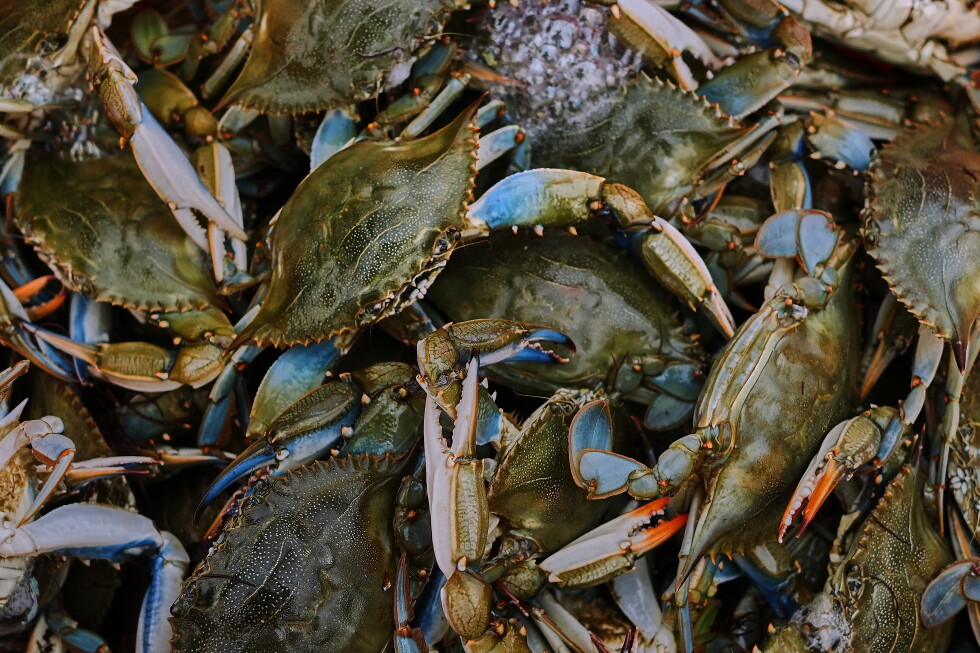
Kathmandu— Italian fishermen have begun exporting invasive Atlantic blue crabs, a delicacy abroad but reviled at home, to salvage their livelihoods. The crab invasion in the Po River Delta south of Venice has devastated the local Manila clam industry and reduced fishing cooperative revenues by 75%. Fishermen are now selling every crab they catch, with most exports bound for Sri Lanka.
Fishermen Pivot to Export
Second-generation fisherman Federico Zago saw his income crash after the crab invasion. The Polesine Fishermen’s Cooperative Consortium’s revenues fell from 60 million euros to just 15 million euros in two years, and active members dropped from 1,500 to 850. “We needed to change strategy, and create an opportunity from this disaster,” said Paolo Mancin, the cooperative’s president.
Zago now pulls up cages full of crabs from his fishing cabin built on stilts over the Scardovari lagoon in the Veneto region. The consortium has sold every crab it caught so far this year, eliminating the need for incineration and forecasting 20 million euros in revenue.
Climate Change Favors Crab Reproduction
The Atlantic blue crab has been present in the Adriatic Sea since at least the 1940s but their numbers exploded due to climate change. Higher water temperatures and drought-driven drops in the Po River’s levels allowed sea water to infiltrate freshwater tributaries, providing ample prey for the crabs.
“Climate change may therefore have favored reproduction through both temperature and salinity,” said Piero Genovesi, an invasive species expert at Italy’s environmental protection institute.
Eradication Efforts Fail
The Italian government adopted a blue crab eradication program in 2024, paying fishermen to catch and incinerate nearly 2.3 million kilograms of crabs over two years. However, female crabs can produce up to 8 million eggs each season, making culling ineffective.
University of Bologna scientists released 150,000 baby octopuses into the Adriatic Sea as a natural predator, but most are not expected to survive due to their preference for rocky environments over sandy lagoons.
Working to Change Italian Tastes
Despite efforts to promote blue crab consumption, it remains mostly absent from top restaurants around Venice. The Yogi restaurant in Porto Tolle has embraced the blue crab out of necessity and passion.
Owner Stefania Marchesini offers an all-crab menu featuring fried crab balls, creamed crab on polenta, and soft-shell crabs. “At first, the customer is very skeptical,” she said. “But then the reaction is completely positive.”
(With inputs from AP)
Originally published on abcnews.com.np.






प्रतिक्रिया दिनुहोस्