

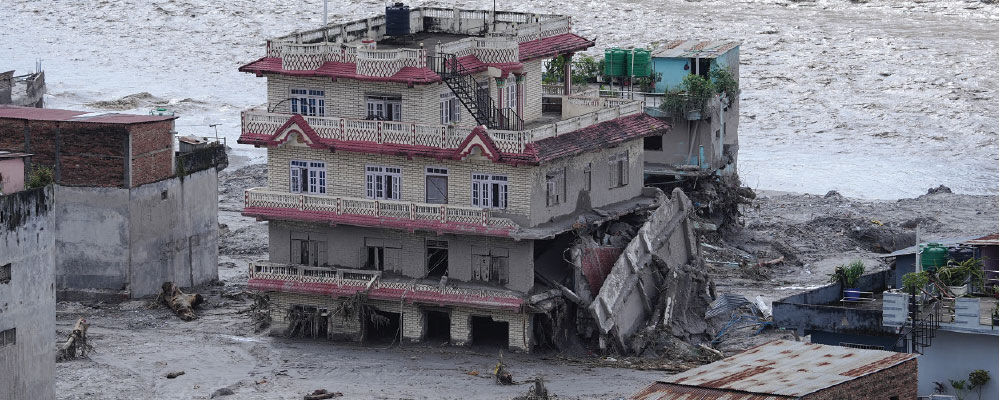
Kathmandu— Health experts and government officials have issued warnings that special surveillance and response activities are essential to prevent the spread of potential infectious diseases in flood-affected areas, particularly in Rasuwa and Nuwakot districts. They urge all concerned bodies, including people and rescue teams, to remain vigilant as there is a heightened risk of disease outbreaks due to contaminated water and poor hygiene conditions.
Infectious Disease Risks
According to infectious disease specialist Dr. Sher Bahadur Pun, the risk of infectious and water-borne diseases such as cholera is high in flood-affected areas due to contaminated water. He warned that if there is an abnormal increase in diarrhea cases, immediate identification, testing, and treatment arrangements should be made. Dr. Pun also emphasized the importance of providing clean drinking water and safe food to affected citizens.
Preventive Measures
Dr. Gokarna Dahal, head of the Insect Disease Control Branch under the Epidemiology and Disease Control Division, suggested using mosquito nets, wearing body coverings, and preventing water from accumulating around homes to avoid mosquito bites. He also highlighted that special attention should be paid to children, senior citizens, and pregnant women as they are at higher risk after floods.
Government Response
The government has intensified surveillance activities in Rasuwa and Nuwakot districts following the flooding. The Ministry of Health and Food Safety has approved a post-disaster infectious disease surveillance and response plan, provided necessary orientation to health officials at provincial and district levels, and mobilized special health teams and medical surveillance officers with support from the World Health Organization.
(With inputs from RN)
Originally published on abcnews.com.np.
प्रतिक्रिया दिनुहोस्