

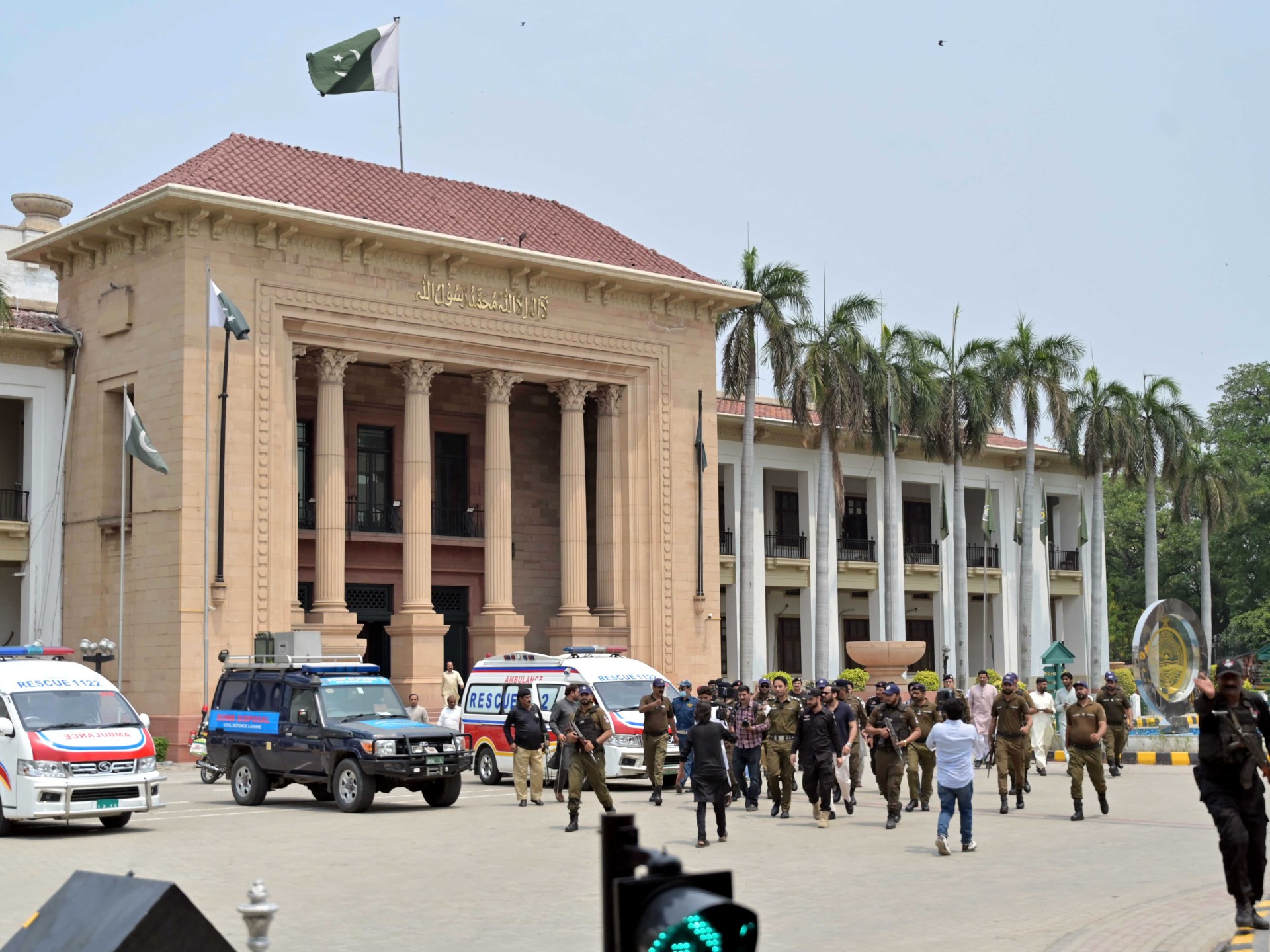
Kathmandu— Punjab, the most populous province in Pakistan, has passed a controversial Anti-Terrorism (Punjab Amendment) Bill 2026 that permits terrorism trials to be conducted in secret. The law allows for anonymous judges, prosecutors, and witnesses, with no time limit on its application. Critics argue that this concentration of power could lead to abuse against government critics.
Details of the New Law
Under the new legislation, a single unnamed official can designate any terrorism case as a 'special security case,' allowing for trials where identities are concealed. The accused cannot contest this designation and have no knowledge of who heard their case or testified against them. Court records can be sealed, and appeals may involve judges unaware of the original trial details.
Government Justification
The government justifies the law by citing increased attacks by armed groups and threats to judicial personnel. Speaker Malik Muhammad Ahmad Khan argued that the assembly was the right forum to strengthen prosecutions, while Khalid Mahmood Ranjha dismissed concerns about political misuse.
Criticism from Legal Experts
Legal experts like Rida Hosain argue that the law violates due process and constitutional rights. The secrecy removes safeguards against judicial bias and deprives the accused of a fair trial. Constitutional lawyer Mian Dawood noted that existing laws already provide for witness protection, but this new law shifts control to the executive.
Historical Context
Punjab has a history of misusing antiterrorism laws since 1997. The recent amendments follow similar measures in Balochistan and the federal government, which passed detention powers for terrorism suspects without charge. Critics argue that Punjab's law is unnecessary given its relatively low incidence of terrorist attacks compared to other provinces.
A legal challenge against the new law appears likely as opposition politicians argue it conflicts with constitutional guarantees and oversteps provincial legislative authority.
(With inputs from Al Jazeera)
Originally published on abcnews.com.np.




प्रतिक्रिया दिनुहोस्