

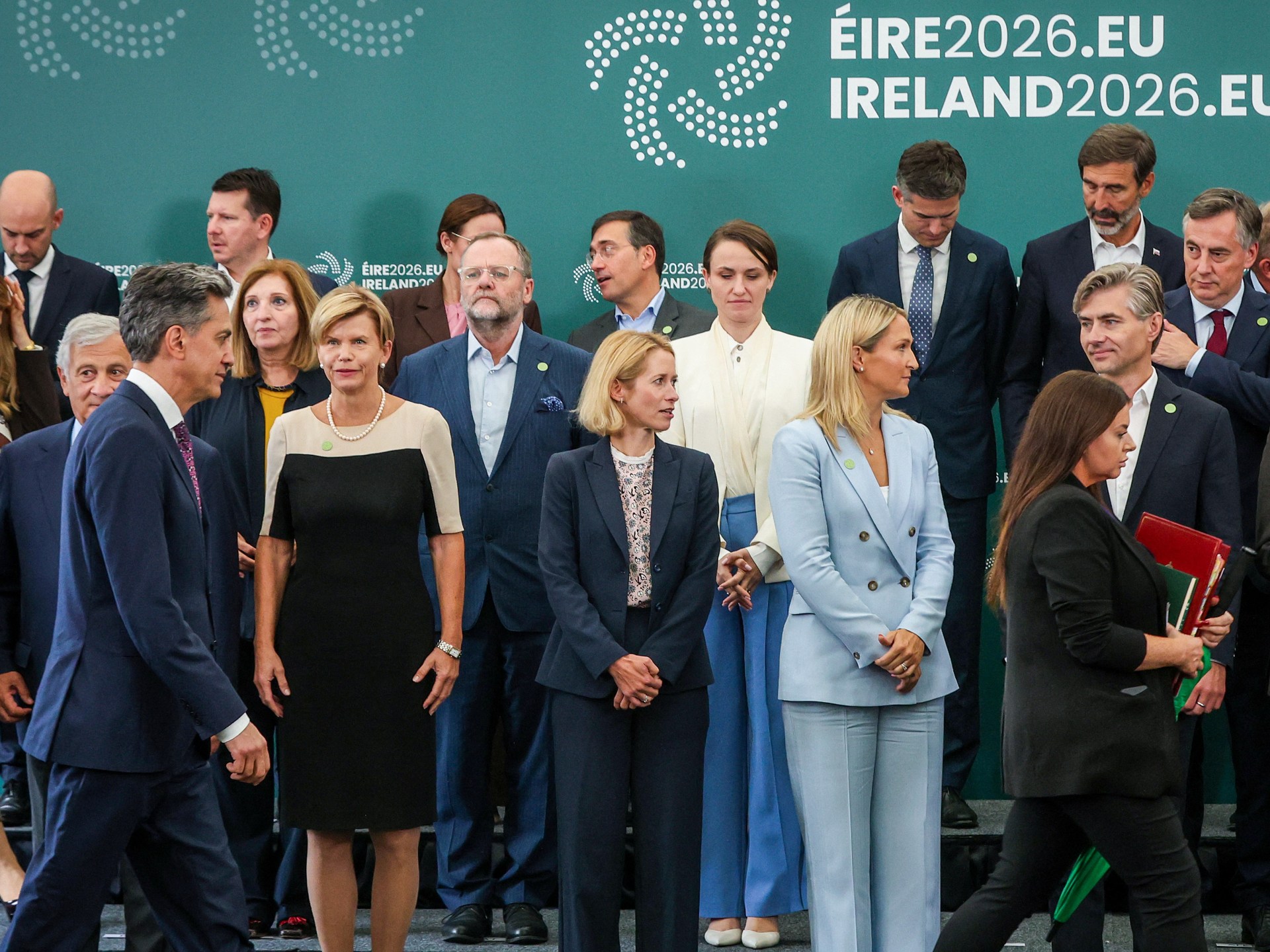
Kathmandu— European Union foreign ministers remain divided over imposing trade sanctions against goods from illegal Israeli settlements in the occupied West Bank. The issue was discussed during an informal meeting hosted by Ireland in Wicklow on Tuesday and Wednesday. While some EU countries support such measures to uphold international law, others are opposed, citing concerns about diplomatic relations with Israel.
Supporting Countries
Ireland, Spain, Belgium, and the Netherlands led the call for EU-wide restrictions against goods imported from illegal Israeli settlements. Ireland has been particularly vocal on this issue, having banned such imports in the past and recognizing a Palestinian state in 2024 amid Israel’s conflict with Palestinians in Gaza.
Opposing Countries
Germany, Austria, Czechia, and Hungary are clear that they would oppose any attempts to sanction illegal settlements. These countries argue that such sanctions could upset diplomatic channels with Israel. The EU-Israel Association Agreement, signed in 2000, forms the basis for trade ties between the bloc and Israel.
Trade Relations
The EU is Israel’s largest trading partner, with bilateral trade of goods reaching nearly $50 billion last year. The volume of trade has increased since 2023, with EU exports to Israel rising from about $30 billion in 2023 to approximately $32 billion in 2025.
Political Stance
Ireland’s Foreign Minister Helen McEntee emphasized the need for collective action, stating that it is not credible to uphold international law selectively. However, EU foreign policy chief Kaja Kallas did not address the prospect of trading sanctions during a news conference after the meeting.
(With inputs from Al Jazeera)
More from the source

Originally published on abcnews.com.np.



प्रतिक्रिया दिनुहोस्