

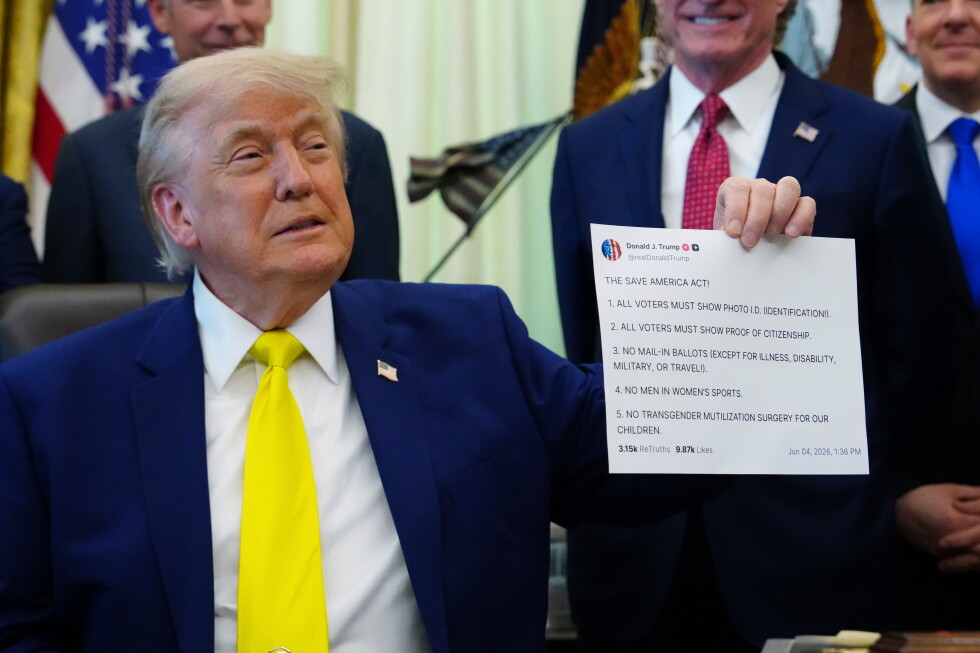
Kathmandu— President Donald Trump has frequently announced pauses in planned strikes against Iran, most recently late Saturday when he said new attacks would be halted pending renewed talks. However, these announcements have been followed by renewed hostilities days or even hours later, a pattern that has characterized the five-month conflict and led to soaring oil prices and basic goods costs.
Trump's Abrupt Shifts in Policy
Since April, Trump has made several announcements about halting strikes against Iran. On April 7, he announced a two-week ceasefire just before a deadline for Tehran to capitulate or face attacks on critical infrastructure. This was extended indefinitely on April 21 after mediators asked for more time. However, by May 8, the U.S. had resumed strikes on Iranian tankers.
In May and June, Trump alternated between threats of severe military action and announcements that negotiations were progressing well enough to avoid further conflict. On July 7, he launched new strikes while in Turkey but later threatened to “just finish the job” if the ceasefire was over. Despite these shifts, Iran has continued its aggressive stance, launching missiles and drones across the Middle East.
Impact on Regional Stability
The ongoing conflict between the U.S. and Iran has had significant implications for regional stability and economic conditions. Oil prices have surged due to tensions in the Strait of Hormuz, a critical shipping route for global oil supplies. Basic goods costs have also risen as a result of supply chain disruptions.
Trump’s announcements have been met with skepticism both domestically and internationally, given their tendency to be followed by renewed hostilities shortly thereafter.
(With inputs from AP)
Originally published on abcnews.com.np.





प्रतिक्रिया दिनुहोस्