

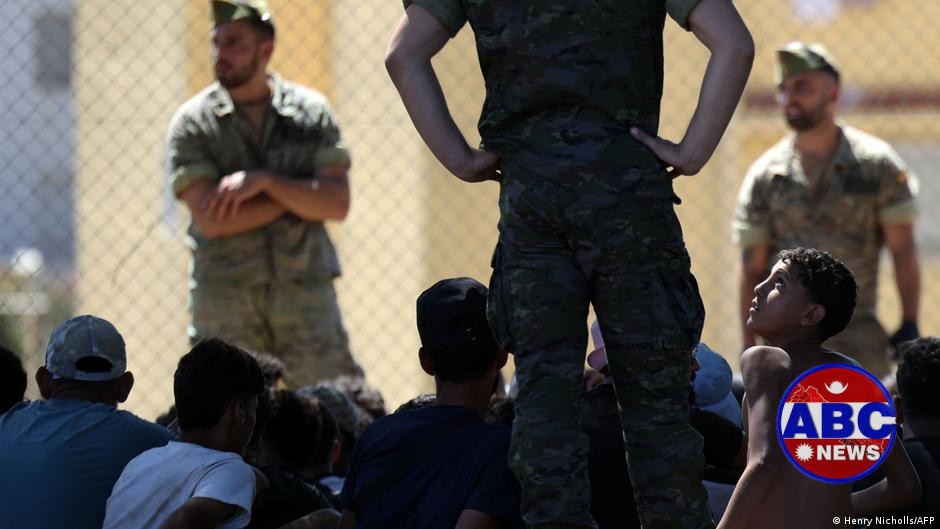
Kathmandu— The recent surge of migrants into Ceuta, a Spanish exclave on the African continent, has sparked debate over responsibility. Moroccan officials blamed misleading information online, while Spain accused Morocco of orchestrating the breach. Analysts warn that the situation is complex, involving geopolitical tensions and migration policy agendas.
Morocco's Denial and Spanish Accusations
The Moroccan interior ministry spokesperson Rachid El Khalfi stated that misleading information online was responsible for the surge. However, videos have surfaced showing inaction by Moroccan security forces, leading Spain to accuse Morocco of orchestrating an attack on its territorial sovereignty. Prime Minister Pedro Sanchez called it a breach of Spanish territory.
Expert Analysis: A Complex Situation
Isabelle Werenfels, a Maghreb regional expert at the German Institute for International and Security Affairs (SWP), notes that Morocco has much to lose in terms of international credibility and investment if found responsible. Jochen Oltmer, a migration researcher from the University of Osnabrück, warns against jumping to conclusions, emphasizing the many interests involved.
Oltmer argues that Moroccan authorities bear considerable responsibility for not intervening, while Werenfels suggests Morocco may have wanted to send a political signal but did not orchestrate the surge.
Root Causes of Migration
Both experts agree on the root causes of migration. Oltmer emphasizes hope and expectations for the future, noting that Moroccans have been emigrating for decades due to family and friendship networks in Europe. Werenfels points out social and economic factors driving emigration, such as significant shortcomings in education and healthcare sectors.
(With inputs from DW)
Originally published on abcnews.com.np.





प्रतिक्रिया दिनुहोस्