

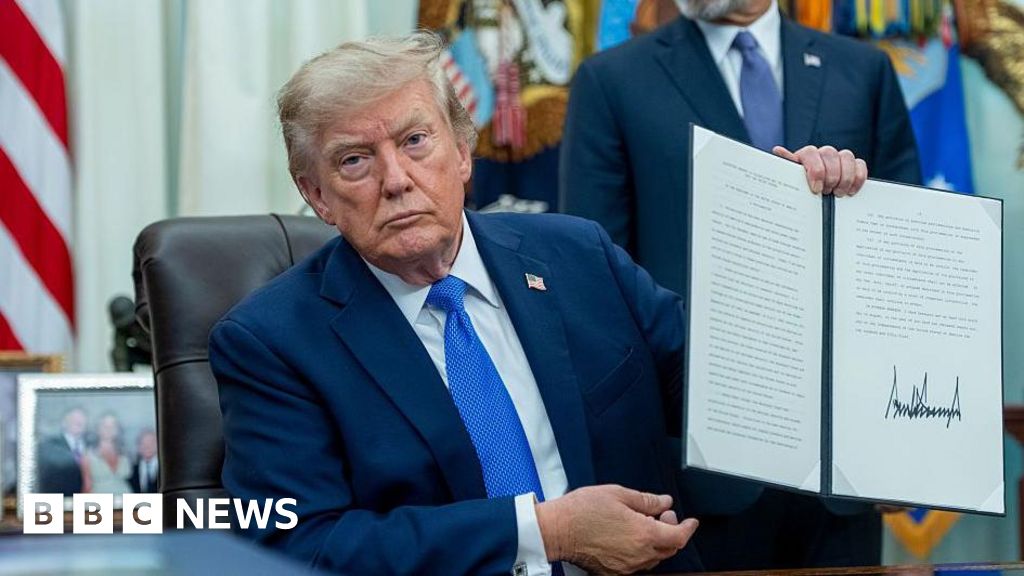
Kathmandu— President Donald Trump has signed two executive orders aimed at limiting birthright citizenship in the United States. The first order expands definitions to exclude certain non-citizen parents from granting citizenship to their children born on US soil, while the second bans so-called 'birth tourism.' These actions come weeks after the Supreme Court rejected a previous attempt by Trump to eliminate birthright citizenship entirely.
Expanding Definitions of Non-Citizens
The first executive order prohibits automatic citizenship for babies born in the United States to two non-citizen parents if one parent is a member of a foreign terrorist group, a foreign government employee, has attempted fraudulent means to gain citizenship, or resides in US territories where federal statute does not confer citizenship. This move aims to address concerns about 'malign foreign actors' exploiting birthright citizenship.
Banning Birth Tourism
The second executive order targets 'birth tourism,' a practice where pregnant mothers travel to the United States to give birth, ensuring their children are US citizens. Trump and his administration have accused adversaries like Russia and China of using this method to infiltrate the country. The president claims hundreds of thousands of babies have been born through birth tourism annually, though nonpartisan research suggests the number is closer to 22,000 to 26,000.
Legal Challenges and Criticisms
The Supreme Court previously rejected Trump's attempt to end birthright citizenship in June. Critics argue that parts of these new orders raise serious constitutional questions. Gabriel Chin, a professor at the University of California Davis' School of Law, noted that while some restrictions on entry might hold up, once a child is born in the US, the president has no power to deny them citizenship.
(With inputs from BBC News)
Originally published on abcnews.com.np.
प्रतिक्रिया दिनुहोस्