

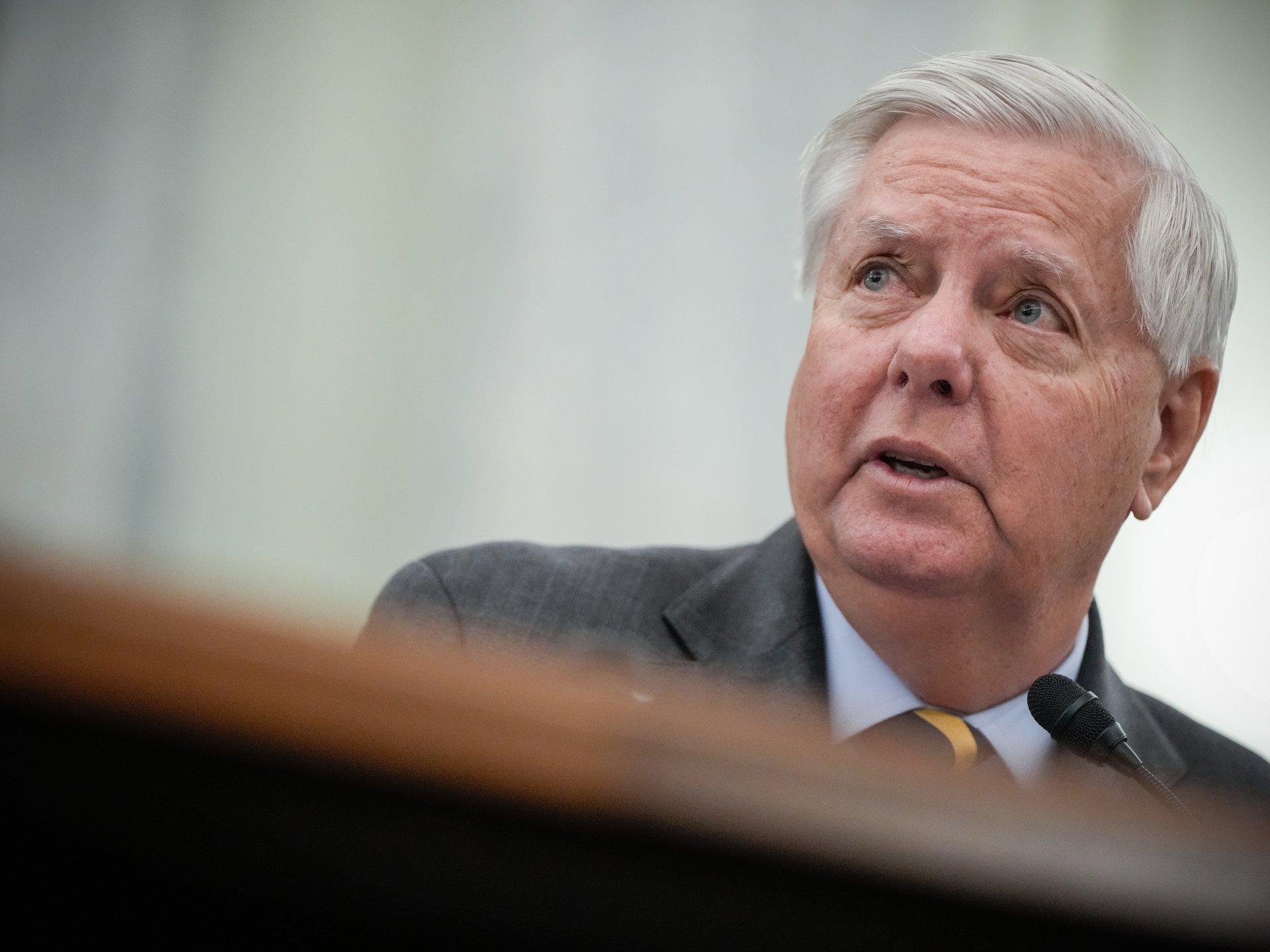
Kathmandu— The United States Senate passed an aggressive sanctions package on Friday aimed at crippling Russia's energy revenues during its ongoing invasion of Ukraine. The legislation, titled the “Lindsey O Graham Sanctioning Russia and Iran Act of 2026,” establishes tariffs of up to 100 percent on major nations importing Russian oil and gas, a move intended to disrupt the funding for the Russian military effort.
Targeting Global Energy Importers
The bill is expected to impact at least five of the largest importers of Russian fuel, including China and India. Beyond direct tariffs, the legislation targets clandestine maritime networks that have been used to evade existing Western embargoes.
Democratic Senator Jeanne Shaheen, a member of the Foreign Relations Committee, stated that the bill sends Vladimir Putin an unambiguous and bipartisan message in the only language he understands: pressure.
Bipartisan Support and Legislative Context
The Senate approved the measure with an 86–11 vote. The bill is named in honor of the late Republican Senator Lindsey Graham, who died on July 11 after strongly advocating for new sanctions against Moscow. His sister, Darline Graham Nordone, who has been appointed to fill his Senate seat, said the bill "hits Putin where it hurts."
Republican Jim Risch, ranking member of the Senate Foreign Relations Committee, suggested the move could force a diplomatic resolution. "This could finally bring Russia to the negotiating table and end this conflict between Russia and Ukraine," Risch said during a Senate floor speech. He added that the bill would make a decisive impact by cutting off the cash flow that powers the Russian war machine.
International and Domestic Reactions
Ukrainian President Volodymyr Zelenskyy welcomed the Senate's decision, noting that strong American pressure is essential to ending the war against Ukrainian independence. He expressed gratitude for the continuous support provided by both American political parties.
European Commission President Ursula von der Leyen also supported the passage, urging a collective effort to drain Russia's means to continue a war it cannot win. Conversely, the Russian Embassy in Washington, D.C., condemned the legislation, arguing that sanctioning Russia's trading partners would be counterproductive and could lead to rising gas prices and energy constraints.
Challenges in the House of Representatives
While the bill passed the Senate with overwhelming support, its future remains uncertain as it moves toward the House of Representatives. Several House members have expressed reservations regarding the legislation.
Democratic Representatives Gregory Meeks and Don Beyer issued a joint press release calling the version adopted by the Senate "unacceptable," expressing concerns that the new tariff powers could be used without restraint by President Trump.
The bill now moves to the House of Representatives, where a vote is not expected until at least early September following the congressional summer recess.
(With inputs from Al Jazeera)
Originally published on abcnews.com.np.




प्रतिक्रिया दिनुहोस्