

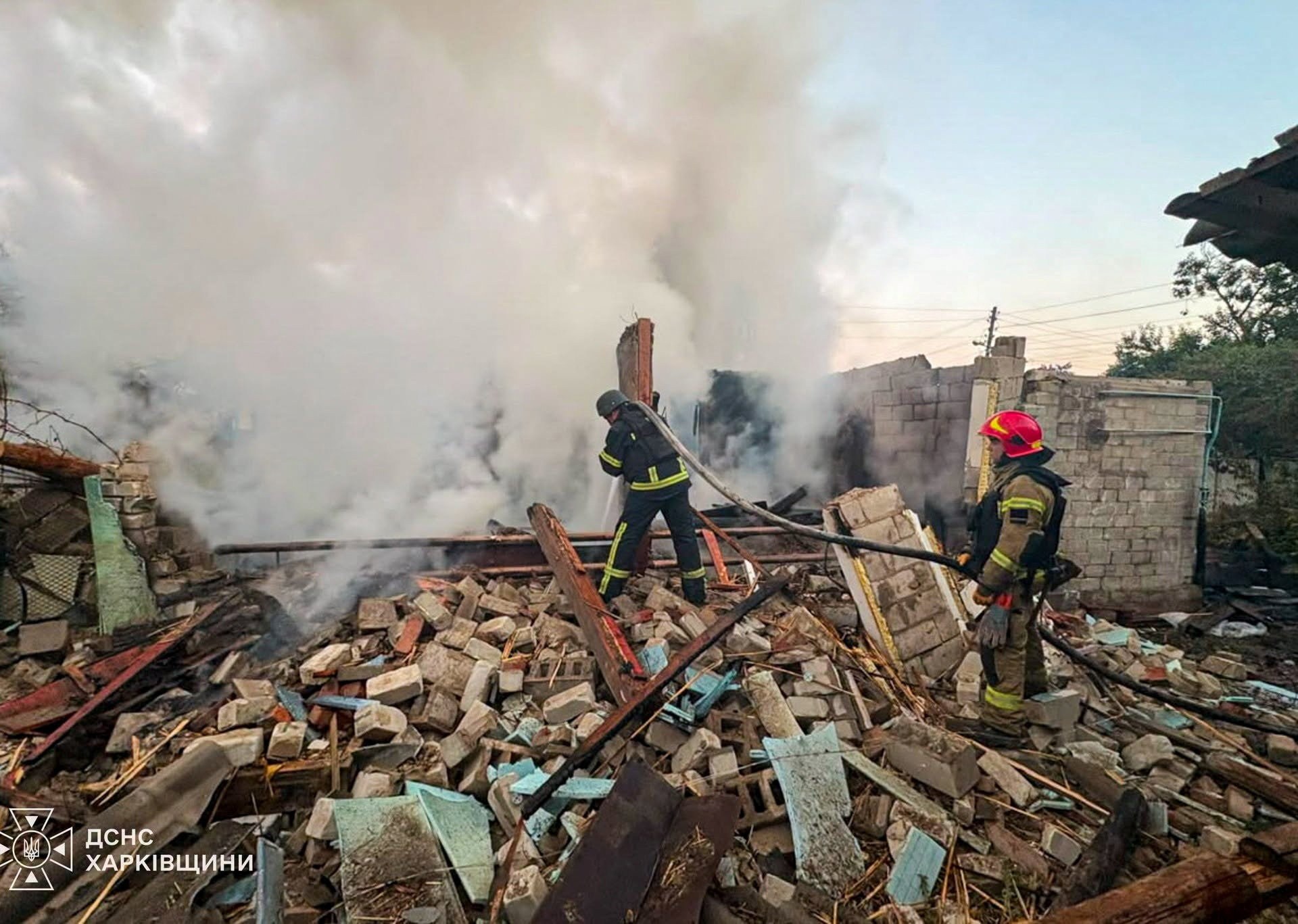
Kathmandu— Three people, including a child, were killed and three others wounded during Russian missile strikes in the Boryspil district near Kyiv on Saturday. The attacks, which caused fires and shook buildings in the capital, underscore the increasing difficulty Ukrainian air defenses face in intercepting high-speed ballistic missiles.
Casualties and Urban Impact
The strikes targeted three separate locations in the Boryspil district just outside the capital. Tymur Tkachenko, the head of the regional administration, confirmed the deaths and reported that three additional individuals sustained injuries during the bombardment.
In central Kyiv, residents reported powerful explosions that shook nearby buildings. The air raid alerts triggered fires in two districts of the capital as the strikes rocked the metropolitan area.
Air Defense Shortfalls
The recent bombardment highlights a widening gap between Russia's ability to launch attacks and Ukraine's capacity to thwart them. Russian ballistic missiles travel at several times the speed of sound and descend at steep angles, leaving defenders only seconds to respond.
While United States-supplied Patriot systems are the only weapons capable of reliably intercepting these missiles, officials in Kyiv say they lack sufficient batteries and interceptors. President Volodymyr Zelenskyy noted that Ukraine received only a third as many air-defense missiles in the first half of this year compared to the same period in 2025, a shortfall he attributed to global stockpiles being drawn down by other conflicts.
Escalating Warfare and Sanctions
As Russia prepares to potentially intensify its campaign during the winter months, Ukraine has continued its own strikes against Russian logistics and energy infrastructure. In the last 24 hours, Ukraine targeted two Russian oil refineries and launched long-range drones at a Wildberries warehouse in Ekaterinburg.
In response to the ongoing conflict, the US Senate passed a sweeping sanctions bill targeting Russian energy exports, including 100 percent tariffs on countries continuing to purchase Russian oil and gas. European Commission President Ursula von der Leyen stated the legislation would help "drain Russia’s means to continue a war it cannot win."
The US sanctions bill now awaits passage by the House of Representatives and the signature of President Donald Trump to become law.
(With inputs from Al Jazeera)
Originally published on abcnews.com.np.



प्रतिक्रिया दिनुहोस्