

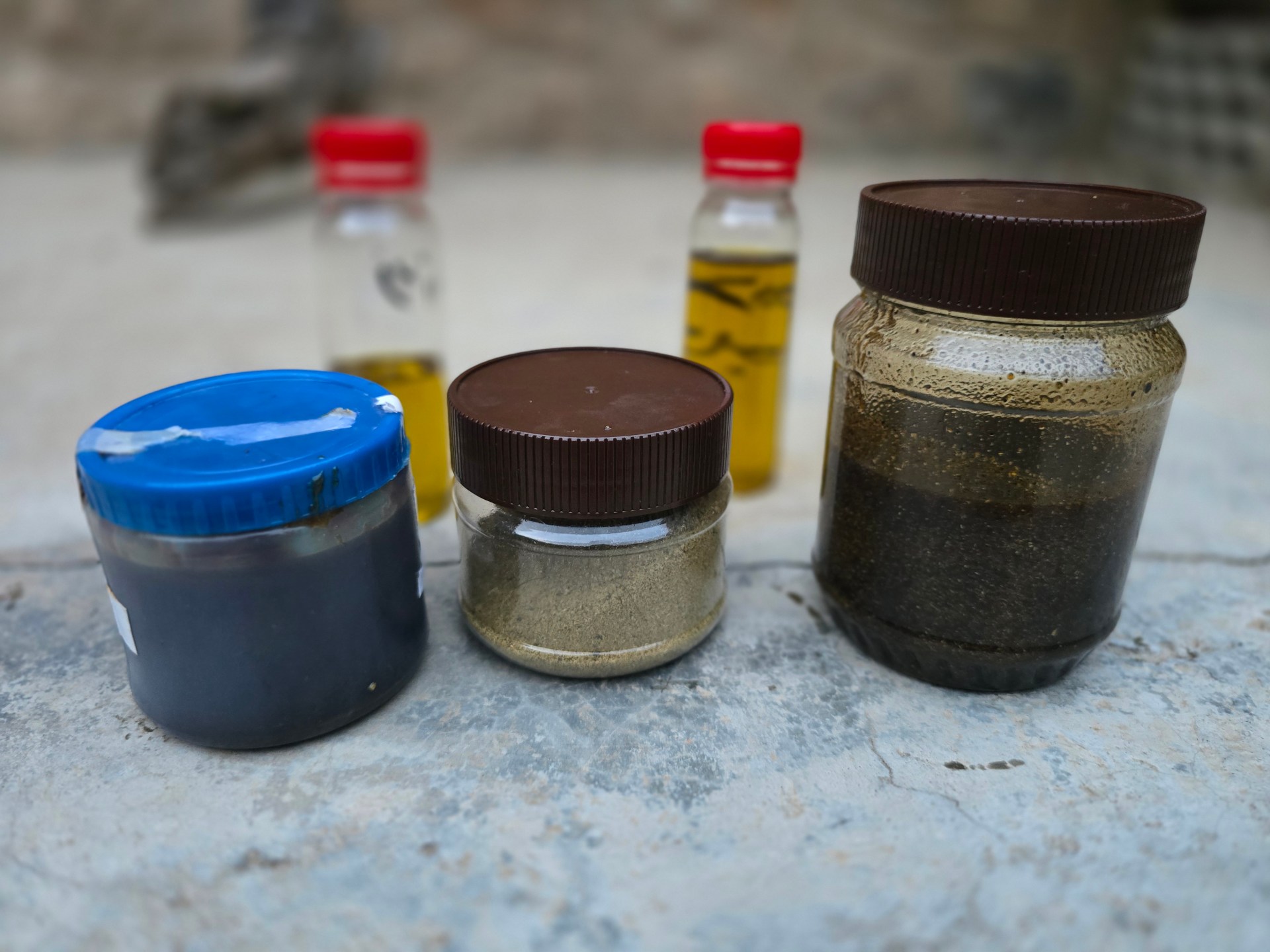
Kathmandu— Patients in Yemen who cannot afford professional medical care or find necessary treatments are increasingly turning to herbal medicine stores and honey shops to manage their illnesses. This shift toward traditional remedies is driven by a collapsing healthcare system, where years of conflict and severe funding shortages have left more than 20 million people without access to basic medical services.
The High Cost of Misdiagnosis
For Jaleelah Abdul Hameed, a woman in her 50s from near Taiz, the lack of reliable healthcare has led to a life-threatening cycle. After being initially misdiagnosed with a colon ailment, she was later informed she had liver cancer. Unable to afford the international travel required for complex cancer treatment, she turned to herbal remedies suggested by local stores.
After six months of consuming a mixture of ground leaves and honey, Jaleelah's health deteriorated significantly. She was eventually hospitalized again, only to find that abandoning her chemotherapy for herbal treatments had left her in much worse condition. "It was my mistake from the very beginning," she said, noting that she is now back on prescribed treatment but in a much more fragile state.
A System in Collapse
The surge in alternative medicine use is a direct consequence of the systemic failure of Yemen's medical infrastructure. According to the World Health Organization, at least 50% of health facilities in the country are entirely non-functional, hindering responses to outbreaks of diseases like cholera and diphtheria.
This vacuum has created a lucrative market for herbal practitioners. Many of these shops claim to treat everything from minor headaches to chronic diseases, often using religious texts to validate their products. Some practitioners even use social media influencers to promote their remedies to a desperate population.
Medical Skepticism and Regulatory Gaps
Medical professionals warn that relying on unproven methods can lead to dangerous delays in proper treatment. Dr. Adel, an internal medicine specialist, noted that while patients may experience temporary relief, symptoms often fluctuate and only qualified doctors can ensure an infection or disease is fully eradicated.
"It is tragic to see people bypassing hospitals for herbal practitioners," Dr. Adel said, adding that standard medical care remains far safer and more effective. Despite the risks, many herbal practitioners operate without official permits or regulatory oversight. A source at the Taiz governorate health office noted that because these shops do not provide formal healthcare, complaints are often referred to prosecutors rather than health departments.
As the healthcare crisis persists, patients like Jaleelah are calling for urgent government supervision to prevent people from being deceived by unregulated herbal centers.
(With inputs from Al Jazeera)
Originally published on abcnews.com.np.






प्रतिक्रिया दिनुहोस्