

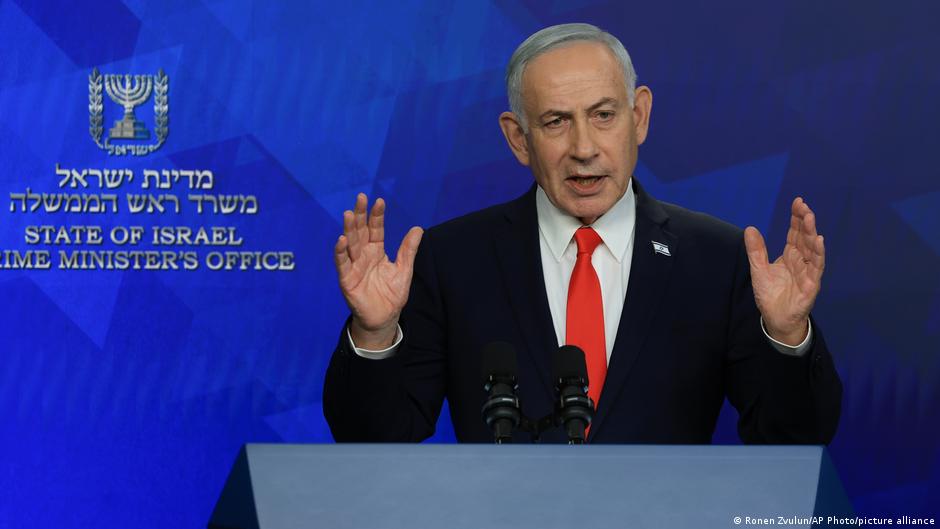
Kathmandu— Israeli Prime Minister Benjamin Netanyahu rejected a US-backed peace plan for Gaza on Sunday, stating that Israeli troops would not withdraw from the territory until Hamas is fully disarmed. The plan, agreed to by Hamas late last month, calls for an eventual Israeli withdrawal as Hamas relinquishes its weapons, with an International Stabilization Force overseeing security alongside a new Palestinian police force; however, Netanyahu insisted any withdrawal is contingent on “genuine” disarmament encompassing all weaponry. Despite the disagreement, he affirmed ongoing talks with Washington and described President Trump as a close ally while maintaining Israel’s right to defend its interests.
Details of the US-Backed Roadmap
President Trump announced last month that a 15-point roadmap aimed at ending the war in Gaza had been reached. The plan, developed by his Board of Peace, envisions Israeli troops withdrawing as Hamas gives up its weapons, to be followed by an International Stabilization Force working with a new Palestinian police force to secure Gaza. Hamas, designated as a terrorist organization by Israel, the United States, and the European Union among others, has not explicitly agreed to “disarmament,” instead proposing that it hand over its weapons for storage under US-backed Palestinian administration overseen by the Board of Peace.
Hamas’ Position and Concerns
Hamas reaffirmed its commitment to the roadmap on Sunday but expressed concerns about Israel's adherence to the agreement. Bassem Naim, a member of Hamas’ political bureau, stated that implementation depends on Israel meeting its obligations, including troop withdrawal and halting attacks. He also called for US pressure on Netanyahu’s government, suggesting internal political motivations may be hindering progress.
Disagreement Over Disarmament Terms
Nickolay Mladenov, the Board of Peace's high representative for Gaza, clarified that Israel would face no obligations until Hamas surrenders all weapons, including assault rifles. He also indicated a phased withdrawal is expected once weapons are collected and rendered unusable, stating, “The option we are offering today is the only way forward that ensures this tragedy does not happen again,” referencing the October 7, 2023 attacks that initiated the current conflict. Discussions with Israel continue, Mladenov said, expressing hope for a positive outcome.
Political Context and Domestic Pressure
The disagreement between Netanyahu and Trump comes at a sensitive time as Israel prepares for national elections on October 27th – the first since the Hamas-led attacks last year. Netanyahu is facing strong competition in polls and pressure from far-right members of his government who oppose concessions to Hamas. Finance Minister Bezalel Smotrich welcomed Netanyahu’s rejection of the plan, stating that the military should not withdraw “even a millimetre” until Hamas is destroyed. The dispute highlights recent differences between the two leaders despite their historically close alliance, extending to disagreements over conflicts in Iran and Lebanon.
Despite ongoing negotiations, Israeli forces maintain control over large parts of Gaza, with most of the enclave’s population of over 2 million displaced and living in a reduced coastal area.
(With inputs from DW)
Originally published on abcnews.com.np.



प्रतिक्रिया दिनुहोस्