

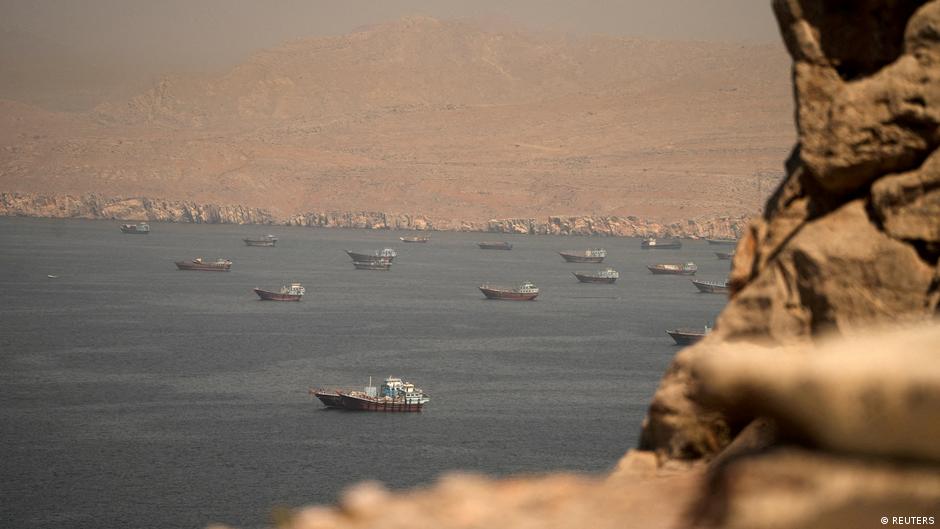
Kathmandu— Escalating tensions and blockades surrounding the Strait of Hormuz are driving energy-exporting Gulf states to seek alternative pathways for crude shipments. The waterway, which previously carried around 20% of global crude exports, has been effectively closed by Iranian insistence on US concessions, despite claims from Washington that it controls the strait. While Saudi Arabia has successfully redirected significant volumes through its East-West Pipeline, the United Arab Emirates faces limitations in bypassing the chokepoint, highlighting the challenges and vulnerabilities inherent in alternative routes.
Saudi Arabia Demonstrates Bypass Potential
Saudi Arabia has proven capable of significantly reducing its reliance on the Strait of Hormuz by utilizing the East-West Pipeline. Data from the International Monetary Fund’s Portwatch platform reveals a dramatic shift in cargo shipments: Gulf coast exports plummeted from 47.5 million tons to just 6.3 million tons between April and May, while Red Sea exports surged from 29.6 million to 54.8 million tons. This increase of 25.2 million tons accounted for approximately 61% of the volume previously shipped through the Persian Gulf, demonstrating that the pipeline is not merely a backup but a vital component of Saudi Arabia’s export strategy.
UAE Faces Capacity and Security Concerns
Despite possessing infrastructure designed to circumvent Hormuz – including the Abu Dhabi Crude Oil Pipeline (ADCOP) and ports like Fujairah and Khor Fakkan – the UAE has struggled to replicate Saudi Arabia's success. Emirati Persian Gulf coast traffic fell sharply, from 68.5 million tons to 12 million tons during April and May. Alternative port traffic also declined, indicating a failure to absorb diverted cargo. The limited capacity of Fujairah, coupled with its vulnerability to Iranian drones and missiles – as demonstrated by recent attacks – has hampered the UAE’s ability to effectively bypass the strait.
Long-Term Solutions Remain Distant
Experts acknowledge that while alternative routes can mitigate reliance on the Strait of Hormuz, substantial long-term solutions are years away. Proposals for new pipelines connecting Iraq with Oman and Jordan, or rerouting ships around Africa via the Cape of Good Hope, face significant logistical and financial hurdles. Economist Hassan Mansour estimates a Basra-Aqaba pipeline could cost between $8 billion and $10 billion and take five to seven years to complete. Rerouting shipments around Africa would add hundreds of thousands of dollars per voyage. Furthermore, even new pipelines remain vulnerable to attack.
Regional Cooperation and Israeli Proposal
Discussions are emerging about broader regional cooperation to establish alternative routes. Israeli Prime Minister Benjamin Netanyahu has proposed a network of oil and gas pipelines extending through the Arabian Peninsula to Mediterranean ports, aiming to eliminate reliance on Hormuz and Bab al-Mandab. However, Qatar, Kuwait, and Bahrain lack direct access to coastlines outside the Persian Gulf, making them particularly dependent on cooperation with other nations – potentially including Iraq, Syria, Jordan, or Israel – for alternative routes.
Iran's Strategic Calculus
Tehran-based political analyst Rahman Ghahremanpour suggests that while bypass efforts are not new, the current conflict has exposed vulnerabilities. He notes that pipelines and ports remain susceptible to attack from Iranian and Houthi forces. Ghahremanpour also points out that a prolonged closure of Hormuz could galvanize international opposition to Iran, which is why maintaining some level of disruption without triggering a broader coalition remains Tehran’s objective.
While Saudi Arabia has demonstrated the potential for bypassing the Strait of Hormuz, significant challenges remain in diversifying Gulf energy exports and ensuring secure shipping lanes. The long-term viability of alternative routes hinges on substantial investment, regional cooperation, and addressing ongoing security threats.
(With inputs from DW)
Originally published on abcnews.com.np.





प्रतिक्रिया दिनुहोस्