

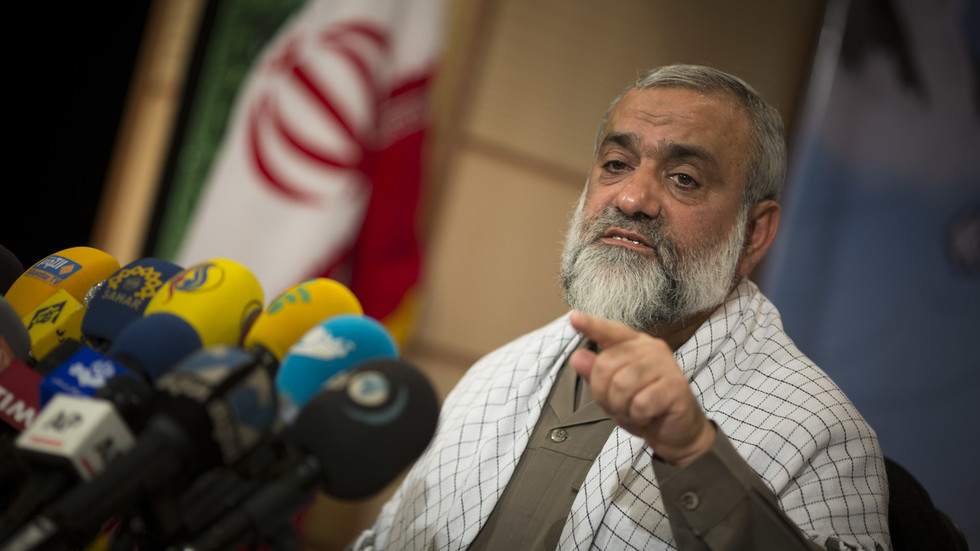
Kathmandu— Brig. Gen. Mohammad Reza Naqdi of Iran's Islamic Revolutionary Guard Corps (IRGC) asserted that Iran is capable of sustaining a prolonged armed conflict with the United States, even throughout the remainder of Donald Trump’s term in office. In an interview with PBS on Tuesday, Naqdi outlined Tehran’s strategy to achieve deterrence through attrition and increased experience in confronting American forces, following a period of escalating tensions that began with a 40-day bombing campaign launched by President Trump in late February. The general indicated Iran could target US economic interests globally if its stockpiles are depleted.
Prolonged Conflict as Deterrence Strategy
Naqdi explained that Tehran’s primary goal is “to attain deterrence so that the enemy never dares to attack us, so we can live with security.” He suggested a strategy of prolonging conflict until the next US presidential term, aiming to exhaust American resources and demonstrate the costs associated with attacking Iran. According to Naqdi, this approach would discourage future aggression from any potential attacker.
Claims of Weakened US Military
The IRGC commander claimed that Iran has gained valuable experience in confronting the US military over the past five months, asserting that American forces are “weaker than what we perceived.” He stated that Iran is currently producing drones and missiles at a rate exceeding its consumption, indicating an ability to sustain fighting for years. Naqdi also pointed to reports of declining morale among American troops stationed in the Middle East and pressure on US munitions stockpiles.
Economic Pressure as Alternative Strategy
Should Iran’s military supplies eventually be exhausted, Naqdi indicated that Tehran could shift its strategy to target “thousands of [American] economic interests throughout the world.” This suggests a willingness to exert economic pressure on the United States and its allies as an alternative means of achieving its objectives. The conflict has already led to some economic repercussions, with Iran exerting pressure on Washington’s allies and global markets.
US Domestic Concerns
The ongoing conflict is reportedly becoming increasingly unpopular among US voters, raising concerns within the Republican party ahead of the November midterm elections. President Trump has fluctuated between threats of further military escalation and claims that Iran is nearing a peace agreement favorable to Washington. On Wednesday, Trump asserted that the US naval blockade of Iranian ports – imposed in April – had created a “wall of steel” and left Tehran financially strained.
Naqdi’s statements reflect Iran's continued resolve in the face of escalating tensions with the United States, suggesting a willingness to pursue a long-term strategy focused on deterrence and attrition.
(With inputs from RT)
Originally published on abcnews.com.np.


प्रतिक्रिया दिनुहोस्