

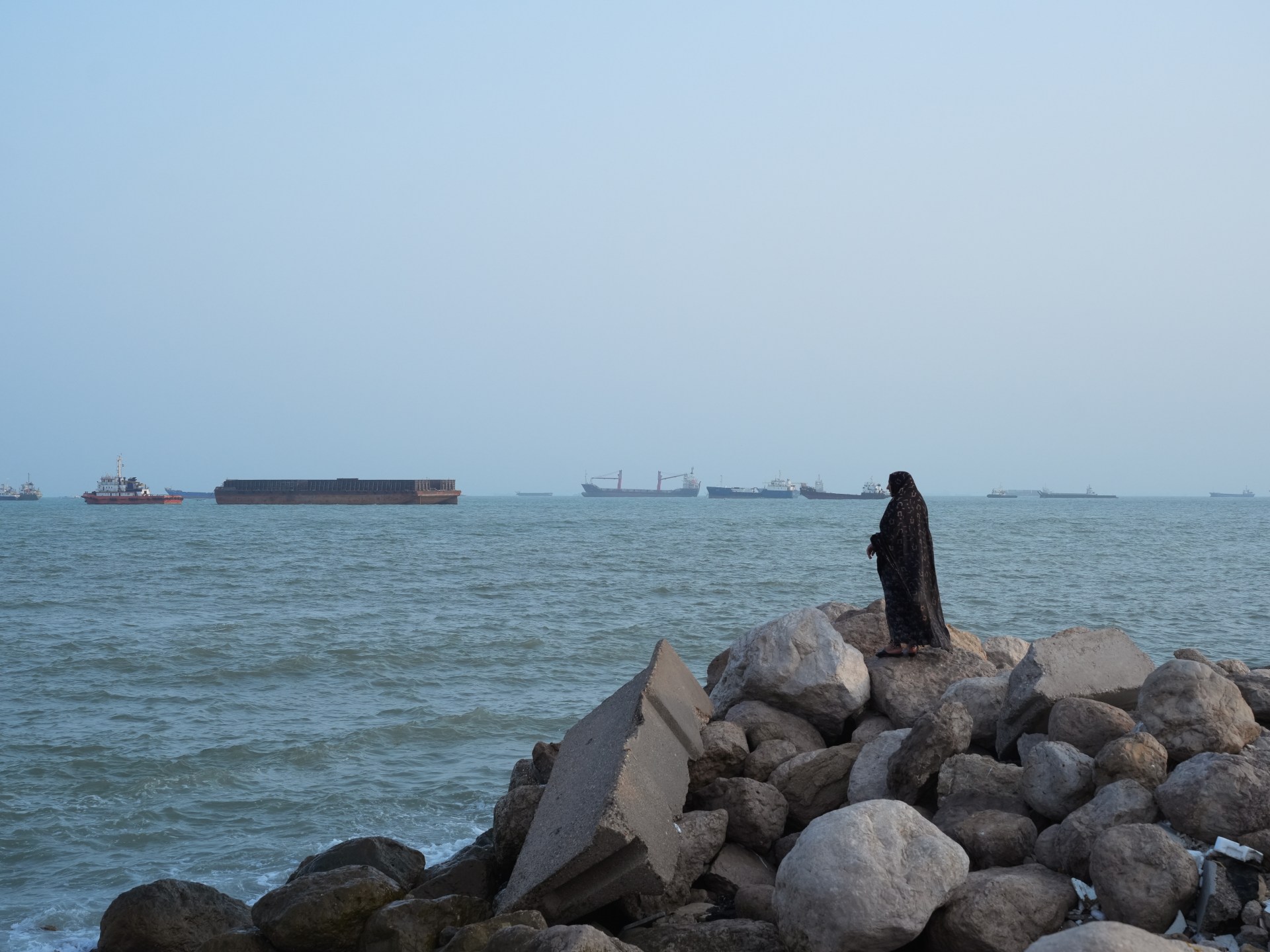
Kathmandu— Iran has asserted full control over the Strait of Hormuz, a critical global shipping lane, challenging recent statements from Donald Trump who claimed the United States maintained “total control” of the area. The dispute comes amid ongoing tensions and a complex history of agreements and escalations between the two nations regarding freedom of navigation through the strait, which sees approximately 20% of the world’s oil and liquefied natural gas transit daily.
Competing Claims of Control
Hojjatoleslam Hossein Taeb, commander of Iran’s paramilitary Basij Organisation, stated on Thursday that the Strait of Hormuz is “under the management and control of the Islamic Republic.” He added that the country continues to operate in “complete security,” according to remarks reported by Iran's Fars news agency. This statement directly followed a post on Trump’s Truth Social platform asserting US dominance over the waterway.
Escalation and Blockade
Since February 28, Tehran has effectively blocked passage through the strait, impacting global energy shipments. The United States responded with a naval blockade targeting Iranian shipping and ports, while simultaneously claiming it would ensure safe passage for vessels not destined for Iran. Iran’s joint military command, Khatam al-Anbiya Central Headquarters, issued a statement declaring that no ships could transit without Tehran's explicit permission, dismissing US claims of normal passage as “lies and falsehoods.”
Conditions for Reopening
Senior military political official Rasoul Sanaei-Rad stated Iran would not reopen the strait unless the United States fulfilled commitments outlined in an interim deal intended to end hostilities. He emphasized that any reopening could not be achieved unilaterally by the US. Sanaei-Rad also issued a warning, stating that Iran would respond with greater force in any future conflict.
Failed Ceasefire and Prolonged Conflict
A ceasefire agreement reached in June, intended to restore freedom of navigation, quickly unraveled after Iran resumed attacks on vessels it alleged were violating the terms. This prompted renewed strikes from the US targeting Iranian provinces, aimed at disrupting Tehran’s ability to target ships in the Gulf. Michael Stephens, a senior associate fellow at RUSI, suggested that Iran is deliberately prolonging the conflict, believing the economic pressure no longer poses an existential threat to its government. “That existential threat is gone,” Stephens told Al Jazeera. “So they want to up the tempo and maybe make the pain a little bit more acute for President Trump.”
Intelligence Failures Alleged
Iran’s Foreign Minister Abbas Araghchi criticized US intelligence, claiming Washington has consistently miscalculated, including when initiating its military actions against Iran. In a post on X (formerly Twitter), Araghchi described the US actions in the Strait of Hormuz as “an even bigger miscalculation,” stating that “Worse than fake news is fake intelligence.”
The situation remains tense with both sides maintaining firm positions regarding control and access to the vital waterway, leaving the future of maritime traffic uncertain.
(With inputs from Al Jazeera)
Originally published on abcnews.com.np.


प्रतिक्रिया दिनुहोस्