

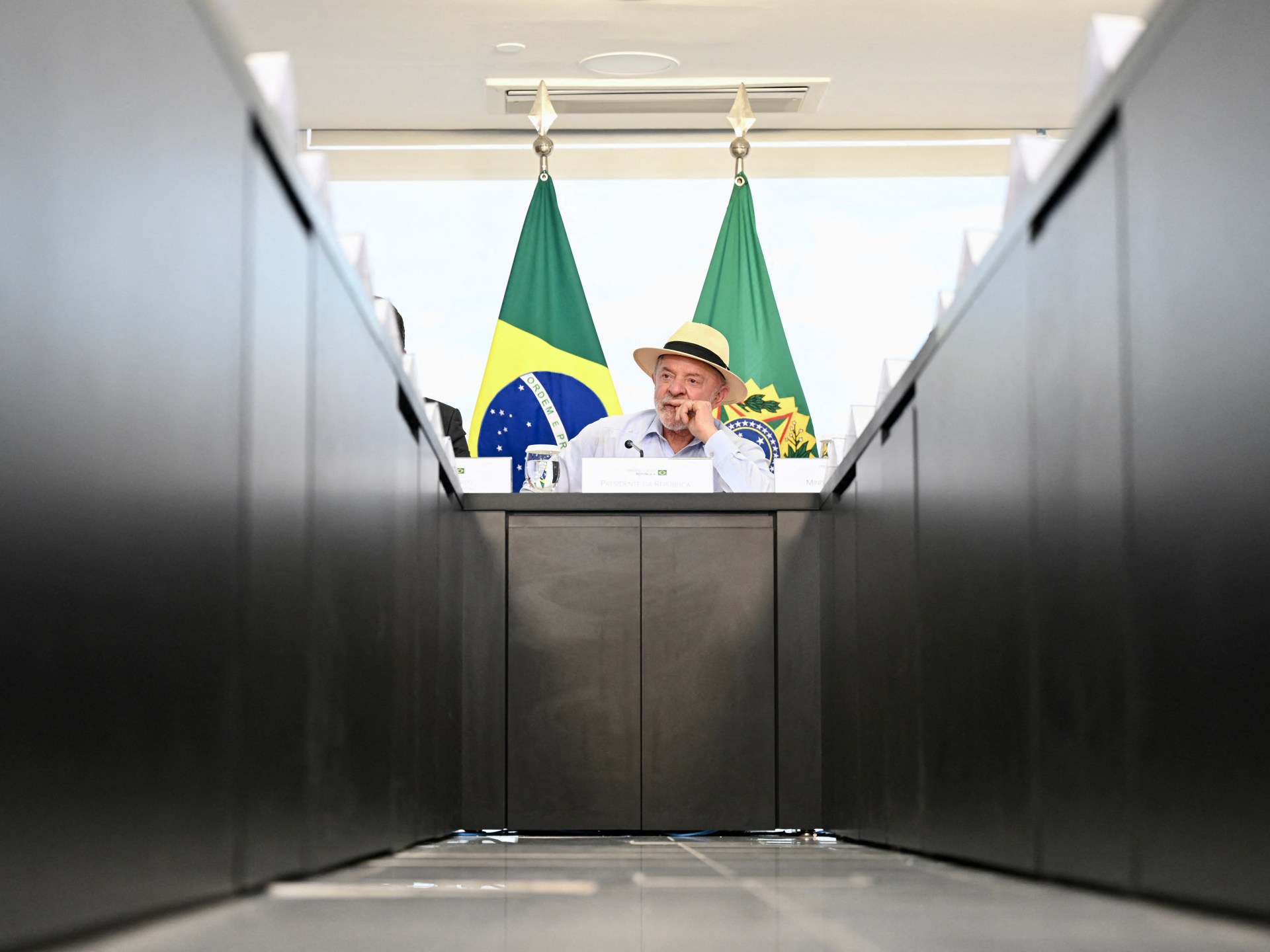
Kathmandu— Brazil has initiated a process to explore potential retaliatory measures against the United States in response to recently imposed tariffs on several Brazilian products, including sugar, clothing, paper and steel. The U.S. levied a 25 percent surcharge alleging unfair trade practices, as well as an additional 12.5 percent tariff related to concerns over forced labor enforcement. While Brazil has not yet decided whether to implement countermeasures, the government stated it will defend its position through diplomatic channels and potentially with tariffs of its own.
Tariff Dispute Escalates
The Brazilian government characterized the U.S. tariffs as “unjustified and arbitrary,” signaling a commitment to challenge them in relevant international forums. The current move represents the beginning of a reciprocity process, which could ultimately result in Brazil imposing its own tariffs on imports from the United States. Initial steps involve further diplomatic consultations with U.S. trade authorities in an attempt to resolve the dispute.
Potential Retaliatory Measures
Brazil is considering a range of options beyond simply mirroring the U.S. tariffs. These include imposing taxes or fees on American goods, eliminating existing import exemptions, reducing other import tariffs, or directly restricting imports of certain U.S. products and services. A source familiar with the matter indicated that Brazil could also explore measures such as suspending pharmaceutical and agricultural patents.
Trade Imbalance and Historical Context
The United States currently maintains a trade surplus with Brazil, exporting $26.5 billion worth of goods and services to the country while importing $17 billion in 2026 to date, according to U.S. Census Bureau data. The imposition of these tariffs builds on a pattern established under former President Donald Trump, who repeatedly sought to impose sweeping tariffs aimed at addressing perceived trade imbalances with countries worldwide. In April 2025, the White House announced a minimum 10 percent tariff on nearly all imports, though those were later struck down by U.S. courts.
New Tariffs Designed to Withstand Legal Challenges
The latest round of tariffs is widely viewed as a replacement for the previously invalidated “Liberation Day” tariffs, specifically designed to withstand legal challenges within the U.S. court system. This suggests a deliberate effort by the current administration to implement protectionist trade policies despite prior judicial setbacks.
Brazil has not yet announced a timeline for making a final decision on whether or not to impose retaliatory measures, but continues diplomatic discussions with the United States.
(With inputs from Al Jazeera)
Originally published on abcnews.com.np.




प्रतिक्रिया दिनुहोस्