

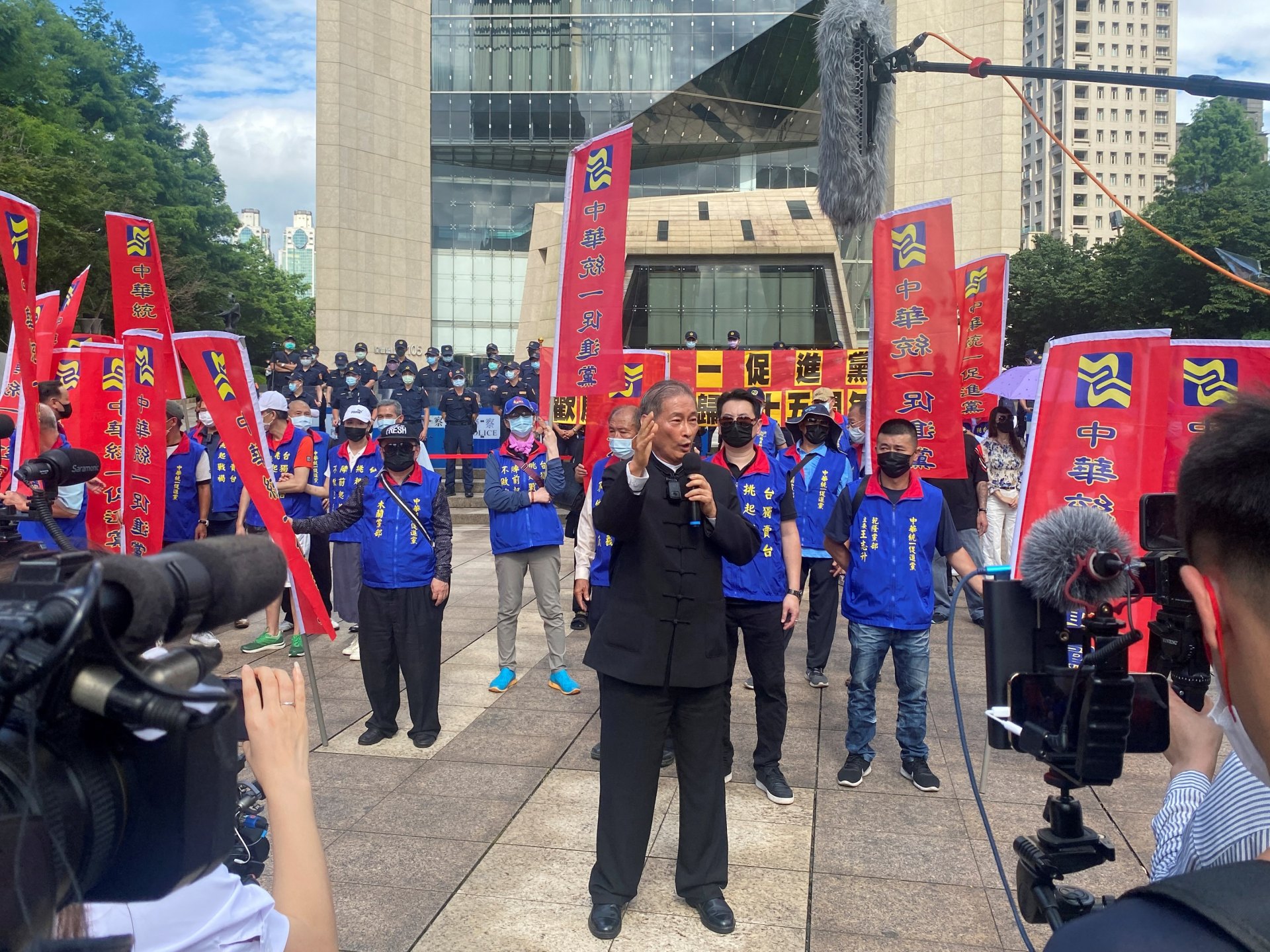
Kathmandu— Chang An-lo, known as the “White Wolf,” leads the Chinese Unification Promotion Party (CUPP) in Taiwan, advocating for reunification with mainland China despite widespread opposition on the island. The former gang leader and convicted drug trafficker claims a mission of peace while critics accuse him of treason and accepting direction from Beijing, prompting the Taiwanese government to seek the party’s dissolution over alleged interference in elections and espionage. Despite limited political success—the CUPP holds only two local wardenships—Chang continues to champion closer ties with China, offering assistance to citizens caught in overseas scams and debt crises while maintaining a controversial public profile.
A History of Controversy
Chang An-lo’s background is steeped in controversy, marked by involvement with organized crime and a decade spent in a US federal prison on drug trafficking charges. After his deportation to Taiwan, he briefly relocated to China during a crackdown on gangs before returning in 2013, where he was initially arrested but later had all charges dropped. He founded the CUPP in the mid-2000s, positioning himself as a Chinese nationalist and advocating for reunification with the mainland.
Allegations of Beijing’s Influence
Taiwan’s Ministry of the Interior alleges that the CUPP has accepted instructions from Beijing to develop grassroots influence operations, recruit spies, and interfere in elections. At least eleven party members have been investigated or prosecuted for violating national security laws since the CUPP’s founding. Chang sidestepped direct questions about working with China’s United Front Work Department but expressed support for its work, stating he is “fully on board” with efforts to promote unity.
Party Faces Dissolution
The Taiwanese government formally requested the Constitutional Court last week to dissolve the CUPP, citing a threat to the island’s democratic order. Critics argue that Chang’s call for citizens not to be “cannon fodder” in a potential conflict with China is disloyal to Taiwan’s elected government. Despite these accusations, Chang maintains he is working towards a peaceful resolution and offers services such as helping Taiwanese citizens rescued from human trafficking schemes in Southeast Asia.
Limited Political Reach
Despite his efforts, the CUPP has limited political representation, holding only two neighborhood wardenships. However, Chang continues to advocate for dialogue with China, suggesting that a framework similar to Hong Kong’s handover could be applied to Taiwan. He believes both sides can negotiate terms of unification, including issues like national anthems and flags, emphasizing their shared Chinese identity.
While the Taiwanese government seeks to dissolve the CUPP, experts suggest this will likely have limited impact on China’s broader influence operations in Taiwan, which rely on multiple networks and organizations. The future of cross-strait relations remains complex and uncertain.
(With inputs from Al Jazeera)
Originally published on abcnews.com.np.






प्रतिक्रिया दिनुहोस्