

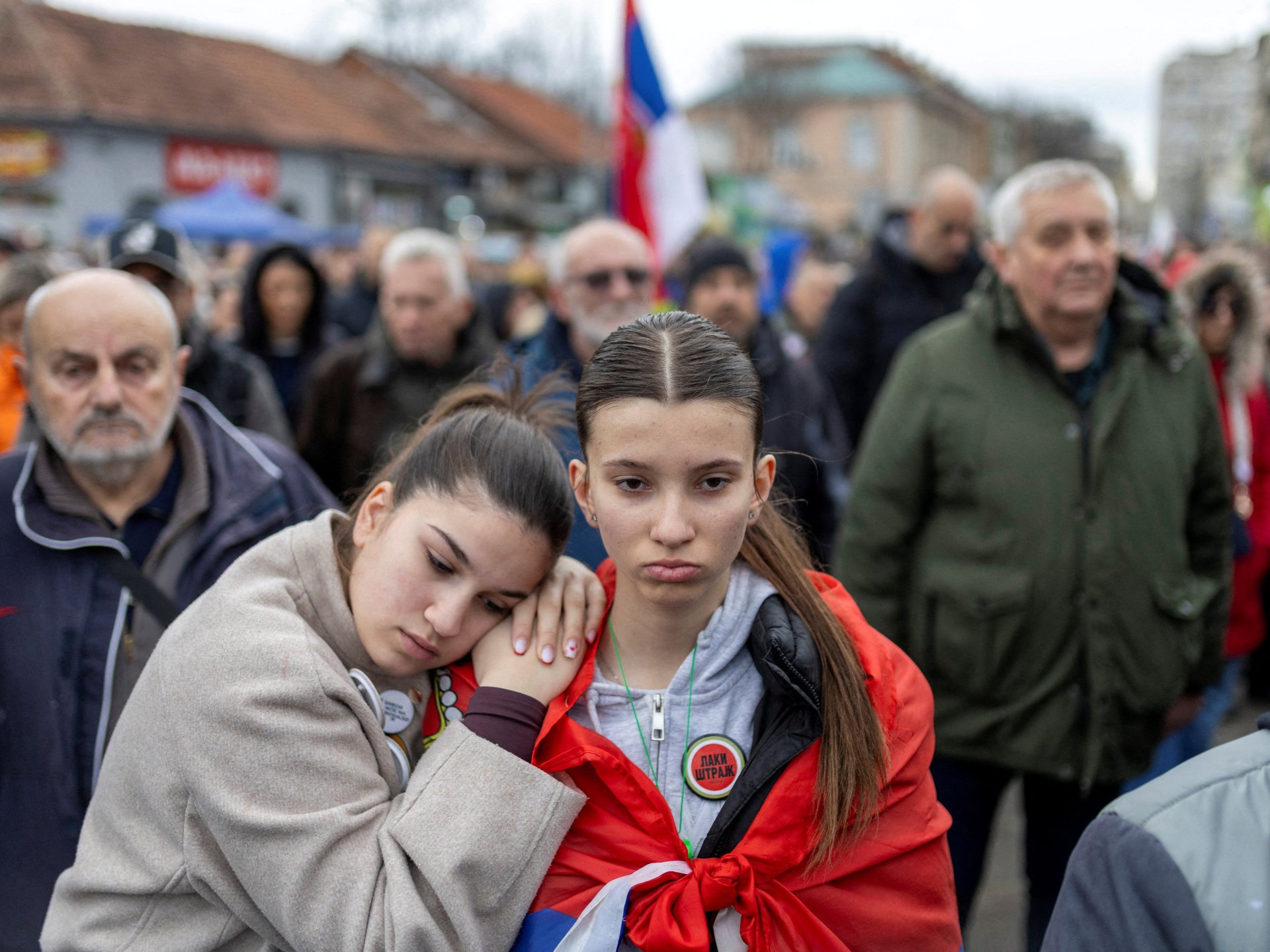
Kathmandu— One year ago, footage emerged from Valjevo, Serbia – a city located 90km southwest of Belgrade – depicting police officers striking a man on the ground. This incident became emblematic of the escalating tensions following student protests ignited by the collapse of a railway station canopy in Novi Sad in November 2024, which tragically claimed sixteen lives. What began as demands for accountability has since broadened into a mass movement challenging President Aleksandar Vucic’s decade-long rule and his balancing act between ties with Moscow and aspirations for European Union membership.
From Tragedy to National Movement
The initial protests, focused on the railway station collapse, quickly expanded as blockades spread across Serbia and hundreds of thousands took to the streets. Students broadened their demands beyond accountability to encompass broader political change. Darija Rankovic, editor-in-chief of Kolubarske.rs, a local news portal, notes that Valjevo experienced a “deep trauma” in the wake of the events. She herself became the target of a smear campaign by pro-government media outlets, who accused her of undermining the state.
Escalating Violence and Lack of Accountability
Following the initial protests, violence erupted in Valjevo with masked attackers vandalizing businesses and assaulting employees and customers. Tomislav Markovic, a Belgrade-based writer, asserts that no one was held accountable for these attacks, directly blaming President Vucic and his Serbian Progressive Party (SNS), who have been in power for fourteen years. He believes the student protests awakened a suppressed energy among citizens disillusioned with Vucic’s rule.
Emerging Nationalist Rhetoric Concerns Activists
While celebrating the movement’s energy, observers also note the re-emergence of nationalist symbols and rhetoric within the student ranks. References to “sacred Serbian lands” have raised concerns among neighboring countries like Bosnia and Herzegovina, Kosovo, and Montenegro, leading to disillusionment among some liberal supporters. Aida Corovic, a human rights activist who has supported the students from the beginning, acknowledges this trend but emphasizes that most remain democratically oriented.
A Defining Moment for Serbia’s Future
Corovic argues Valjevo represents a larger issue: the state’s relationship with its citizens and whether Serbia can ensure accountability for police actions. She believes that while demands for justice over the railway collapse united diverse groups, any movement seeking power must ultimately define its vision for Serbia’s future. Markovic agrees, stating that removing Vucic and the SNS from power is the most crucial step towards fundamental political transformation.
The student-led movement continues to organize rallies and protests across Serbia, maintaining pressure on the government while navigating internal ideological challenges and external scrutiny.
(With inputs from Al Jazeera)
Originally published on abcnews.com.np.




प्रतिक्रिया दिनुहोस्