

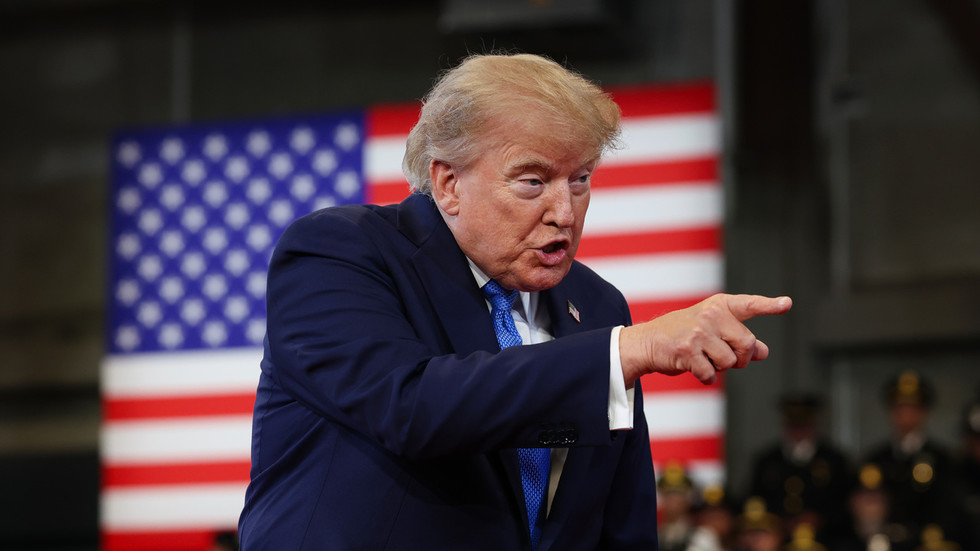
Kathmandu— US President Donald Trump threatened military action against Oman, stating he would “bomb the sh*t out of” the nation should it strike a separate deal with Iran concerning control of the Strait of Hormuz. This threat comes as Oman has been acting as both a mediator between Washington and Tehran and pursuing parallel negotiations with Iran to establish safe passage through the strait, potentially involving fees for shipping after an interim period. The US opposes any agreement allowing Iran to collect tolls and maintains its naval blockade on Iranian ports.
Oman's Mediation Efforts
Omani negotiators have been engaged in discussions with both the United States and Iran, attempting to de-escalate tensions surrounding the Strait of Hormuz. Simultaneously, Oman has held separate talks with Tehran aimed at securing a safe route for shipping through the critical waterway. Iranian Foreign Ministry spokesman Esmaeil Baghaei announced Monday that an “understanding” had been reached between Iran and Oman regarding this matter.
US Rejection of Iranian Demands
The United States firmly rejects any agreement that would permit Iran to impose fees for passage through the Strait of Hormuz. Washington has indicated it will not lift its naval blockade on Iranian ports unless Tehran abandons these demands. Speaking in New York Friday, Trump asserted that the Islamic Republic was “very badly defeated” and claimed he would soon declare the Strait of Hormuz a US territory.
Escalating Tensions and Threats
A memorandum of understanding signed by the US and Iran in June established a 60-day period to resolve the conflict and reopen the strait, but it expired Monday without an agreement. A senior Iranian official warned that Iran is prepared to escalate tensions if diplomacy fails and launch “timely and precise strikes” to break the US naval blockade. Trump responded by demanding Iran “raise the white flag of surrender.”
Iranian Deputy Foreign Minister Kazem Gharibabadi, in a post on X Saturday, urged Trump to acknowledge that the US had suffered “strategic and heavy defeats,” asserting that the Strait of Hormuz “has been Iranian, is Iranian, and will remain Iranian,” and would be controlled by Iran.
Economic Impact of Blockade
Following US-Israeli strikes on Iran in late February, Tehran closed the Strait of Hormuz. The United States responded with a naval blockade of Iranian ports, disrupting traffic through a key global energy corridor and driving up global oil prices to as high as $120 per barrel.
With diplomatic efforts stalled and both sides issuing increasingly strong rhetoric, the situation surrounding the Strait of Hormuz remains highly volatile. Further escalation appears likely if a resolution is not reached soon.
(With inputs from RT)
Originally published on abcnews.com.np.




प्रतिक्रिया दिनुहोस्