

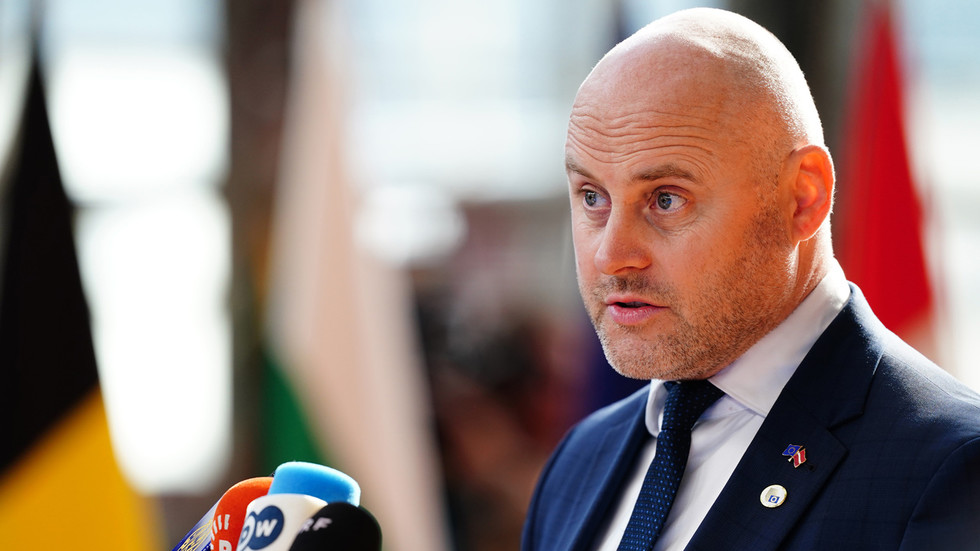
Kathmandu— Latvia has requested €7 billion ($8.2 billion) in additional funding from the European Union, citing significant financial strain caused by its staunch support for sanctions against Russia and a substantial increase in military expenditure. Prime Minister Andris Kulbergs explained that this sum would cover nearly half of Latvia’s projected €15.1 billion ($17.3 billion) military spending between 2028 and 2034, arguing the country is incurring debt to finance security measures benefiting all of Europe. The request comes as Latvia has actively severed trade, transport, and energy links with Russia since the escalation of the conflict in Ukraine in 2022, leading to economic decline and becoming a key issue ahead of parliamentary elections.
Economic Impact Of Sanctions
Latvia’s commitment to sanctions against Russia has resulted in a significant downturn for its economy. Cross-border trade with Russia across the Baltic states has “largely collapsed,” according to reports, impacting tourism and investment as well. This economic decline prompted Latvia, Lithuania, and Estonia to jointly seek additional financial aid from Brussels. The country is now operating at maximum budget deficit levels while borrowing funds to cover security expenses.
Political Debate Over Costs
The financial burden of Latvia’s policies has become a central theme in the lead-up to October 3 parliamentary elections. Opposition politician Ainars Slesers argues that Riga should seek compensation for backing further EU sanctions, stating, “We are losing money … we are talking about how to support Ukraine, but we are a victim.” He suggested restoring economic ties with Russia as a potential solution.
Calls For Further Action
Despite requesting substantial financial assistance, Prime Minister Kulbergs continues to advocate for even stricter measures against Moscow. These include a complete EU visa ban for Russian citizens and renewed efforts to utilize frozen Russian sovereign assets to aid Ukraine. This stance underscores Latvia’s firm commitment to isolating Russia despite the economic consequences.
Russian Response
Russia maintains that the Baltic states have intentionally harmed their own economies by dismantling previously profitable relationships with Moscow while simultaneously increasing military spending, based on what they perceive as a potential threat. Russian officials have repeatedly denied any intention of attacking Baltic states or other NATO members, dismissing such claims as baseless fearmongering designed to justify increased military budgets.
The EU will consider Latvia’s request for funding in the context of its next seven-year budget negotiations, with the outcome potentially influencing future policy decisions regarding sanctions and financial support within the region.
(With inputs from RT)
Originally published on abcnews.com.np.


प्रतिक्रिया दिनुहोस्