

Kathmandu— Nepal has made strides in recognizing women's rights and increasing their representation in political institutions, with women currently holding 34 percent of federal parliamentary seats, 36.5 percent in provincial assemblies, and 41.1 percent in local governments; however, significant challenges remain in ensuring equal access to education, digital literacy, and economic opportunities, particularly for women in rural areas.
Growing Political Participation
Nepal’s constitution recognizes women's rights as fundamental, leading to increased participation in political and administrative roles based on the principle of proportional inclusion. Currently, women comprise approximately 28 percent of Nepal’s civil service workforce alongside their growing presence in elected office.
Digital Divide and Media Literacy
Despite progress in representation, many Nepali women – especially those in rural areas – face limited educational opportunities and a lack of digital and media literacy. This leaves them vulnerable to misinformation, fake news, and online manipulation, hindering their ability to effectively access and utilize information despite having the right to do so. Regional, social, and caste-based discrimination further exacerbate this problem.
Shifting Employment Landscape
Traditionally employed in sectors like education, healthcare, and government services, women’s roles are evolving as both employers and societal mindsets change. In Nepal, rural women are increasingly participating in traditionally male-dominated fields such as construction projects, irrigation canal building, and community development.
Empowering Women Through Entrepreneurship
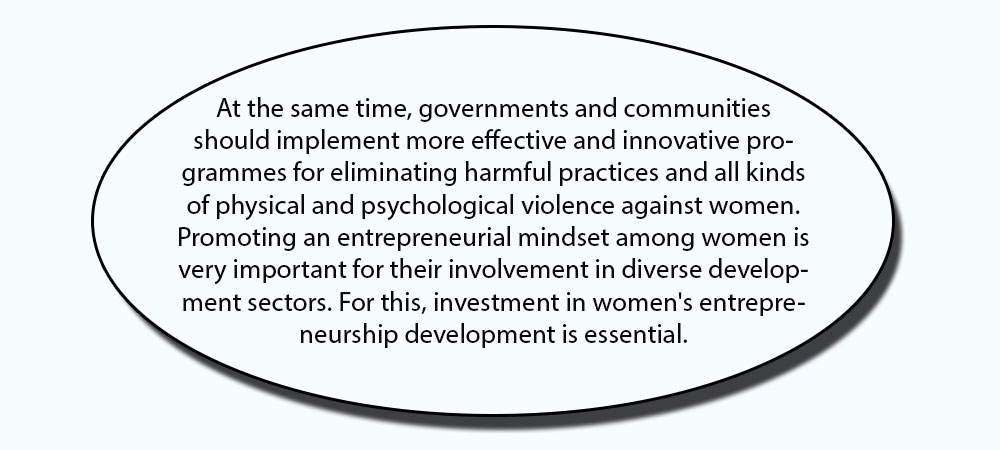
For overall development to be achieved, equal opportunities in education, employment, policy-making, and decision-making at all levels are crucial for women. Promoting an entrepreneurial mindset is also vital, requiring investment in women’s entrepreneurship development; local units can play a key role by providing resources and managing markets to support women entrepreneurs.
Effective programs aimed at eliminating harmful practices and violence against women remain essential alongside efforts to boost their economic empowerment and participation in all aspects of society.
(With inputs from RN)
Originally published on abcnews.com.np.





प्रतिक्रिया दिनुहोस्