

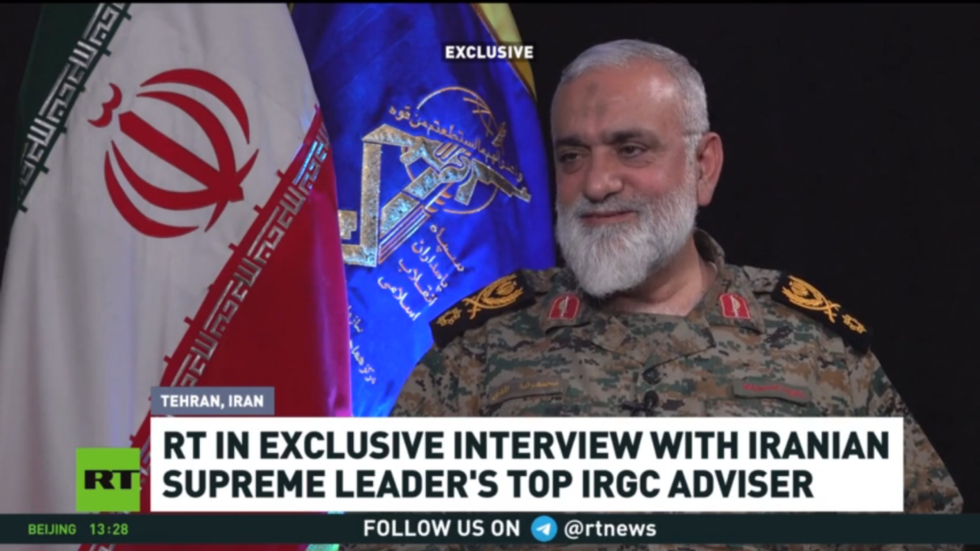
Kathmandu— Mohammad Reza Naqdi, a senior commander with Iran's Islamic Revolutionary Guard Corps (IRGC) and advisor to the country’s Supreme Leader, stated that the Strait of Hormuz will remain crucial for global energy trade despite efforts by Persian Gulf states to create alternative export routes. In an exclusive interview, Naqdi explained that the concentration of oil and gas production in the Gulf makes it impossible to easily replace the waterway, citing significant time and financial costs associated with developing new infrastructure. The comments come as shipping through the Strait has faced disruption, with July transit volumes down significantly from pre-conflict levels.
Alternative Routes Face Challenges
Gulf states have been actively pursuing alternative infrastructure to bypass the Strait of Hormuz, but Naqdi argues these efforts are impractical. He emphasized that relocating oil and gas production is not feasible, and constructing new export routes requires substantial investment and years of work. “If they want to find alternative routes to transport oil and such, it takes many years and incurs very heavy costs,” he told RT.
Current Infrastructure Projects
Saudi Arabia is considering expanding its East–West pipeline system, but completion isn’t expected until around 2030-31. The United Arab Emirates is progressing more quickly with a new pipeline slated for completion next year. A potential project to revive an Iraq–Syria pipeline lacks a firm timeline, and both Kuwait and Bahrain currently lack any routes bypassing the Strait of Hormuz.
Shipping through the Strait of Hormuz remains disrupted, with transit volumes significantly reduced in recent months, but Iranian officials maintain its continued strategic importance for global energy markets.
(With inputs from RT)
Originally published on abcnews.com.np.




प्रतिक्रिया दिनुहोस्