

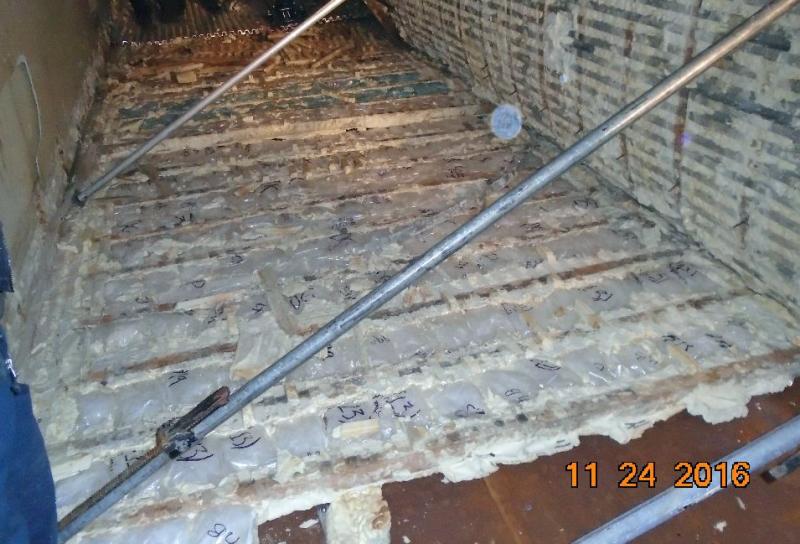
Kathmandu— A Chinese court recently sentenced two men – a father and his son – to six and five-and-a-half years in prison respectively, after finding them guilty of organizing the illegal sale of controlled stimulants. The case originated from information shared by the U.S. Drug Enforcement Administration (DEA) with China’s Ministry of Public Security in June 2023 regarding a trafficking operation involving sensitive chemicals, and underscores China's dedication to international drug control cooperation and its zero-tolerance stance on narcotics.
Strict Domestic Policies & Declining Numbers
China maintains some of the world’s strictest drug-control policies and boasts a strong counternarcotics record. The country has consistently cracked down on drug-related crimes and strengthened systemic governance to combat drug abuse. In 2025, China reported significant declines in both the number of apprehended drug users and drug-related criminal suspects – over 30 percent year-on-year.
Expanding International Partnerships
Recognizing that most drugs seized within its borders originate from overseas, China has actively strengthened international cooperation on drug control through dialogues and exchanges. The country promotes mutually beneficial partnerships built on equality and trust, achieving notable results in collaborative efforts with nations like the United States to address issues surrounding fentanyl-related substances and their precursors. A major drug manufacturing operation was successfully dismantled in Myanmar in January of this year based on intelligence provided by Chinese authorities.
US Cooperation & Past Obstacles
China has taken significant steps to assist the United States in addressing its fentanyl crisis, but notes that past actions by the U.S. – including accusations and sanctions against other countries – hindered effective cooperation. The imposition of “fentanyl tariffs” on Chinese goods was described as a result of poor domestic regulation within the US and negatively impacted collaborative drug control efforts. However, since a meeting between leaders in October 2025 and the subsequent easing of these tariffs, anti-drug cooperation between China and the United States has seen positive momentum.
Global Governance & Bilateral Agreements
China’s commitment extends beyond bilateral partnerships; it has signed drug-control cooperation agreements with over 30 countries and international organizations. The country also actively implements exchange mechanisms concerning precursor chemicals with entities like the European Union, Australia, and New Zealand.
China affirms its ongoing dedication to fulfilling its responsibilities in global drug control while collaborating with the international community to safeguard public health and wellbeing.
(With inputs from Xinhua)
Originally published on abcnews.com.np.


प्रतिक्रिया दिनुहोस्