

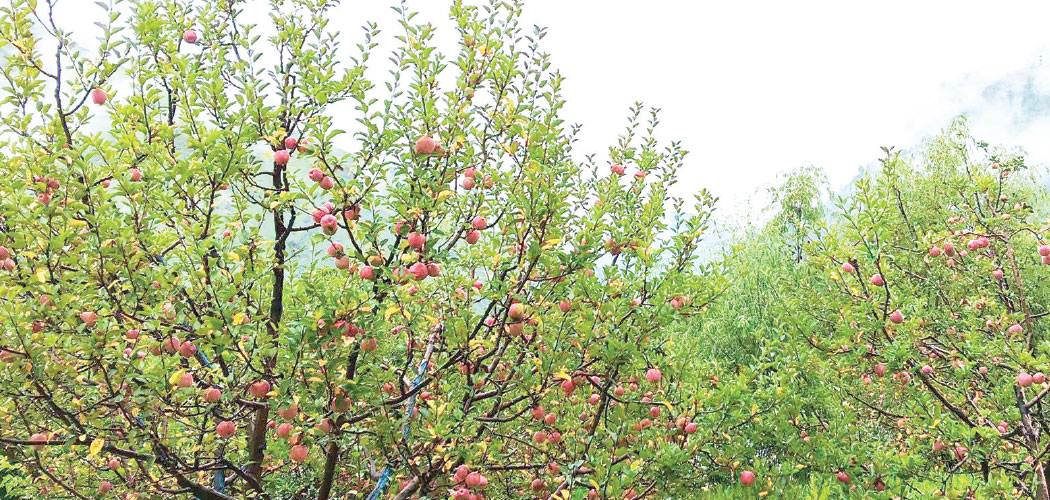
Kathmandu— Apple harvesting has begun in several rural municipalities within Nepal’s Jumla district, signaling a promising season for the region’s approximately 19,000 farming families engaged in apple cultivation. After years when apples often went to waste due to limited transport options, improved road access since 2007 has opened up markets outside of Jumla, allowing farmers to sell their produce and earn substantial incomes. Technicians have now given the go-ahead for harvesting after confirming that the fruit has reached optimal color, sweetness, and maturity.
A History of Apple Farming in Jumla
Jumla is renowned for its apple production, with an estimated 19,000 out of 20,000 households involved in farming the fruit. Historically, a lack of transportation infrastructure led to significant losses as farmers were often forced to discard unsold apples. The construction of roads reaching Jumla on April 14, 2007, marked a turning point, enabling the transport of locally grown apples to wider markets and alleviating the issue of spoilage.
Current Harvest and Regional Variations
Farmers in Tila, Tatopani, Guthichaur rural municipalities, and Chandannath Municipality have initiated apple picking, as apples ripen earlier in these areas. In contrast, regions like Patarasi, Hima, Sinja, and Kanakasundari rural municipalities are expected to see their apples mature after August 26. Currently, apple farming spans 4,604 hectares within Jumla, with fruit-bearing trees covering 2,378 hectares, including 52 hectares dedicated to Fuji apple cultivation.
Ensuring Apple Quality and Market Access
The Agriculture Development Office anticipates a total yield of 19,500 metric tonnes of apples this year. To ensure quality control, the office has mandated that farmers obtain a recommendation from their local government’s agriculture development section before transporting apples outside the district. This measure was implemented in response to instances of premature harvesting and transportation of immature fruit.
Farmer Income and Economic Impact
Farmers like Birsh Sarki of Depalgaun are benefitting from improved market access, earning upwards of Rs. 500,000 annually from apple sales. Ram Bhakta Adhikari, chief of the Agriculture Development Office, Jumla, stated that apples will be permitted for transport outside the district only after the first week of September, and urged farmers to adhere to this timeline.
The Agriculture Development Office continues to monitor apple maturity levels and enforce quality control measures to ensure a successful harvest season and maintain the reputation of Jumla apples in external markets.
Originally published on abcnews.com.np.




प्रतिक्रिया दिनुहोस्