

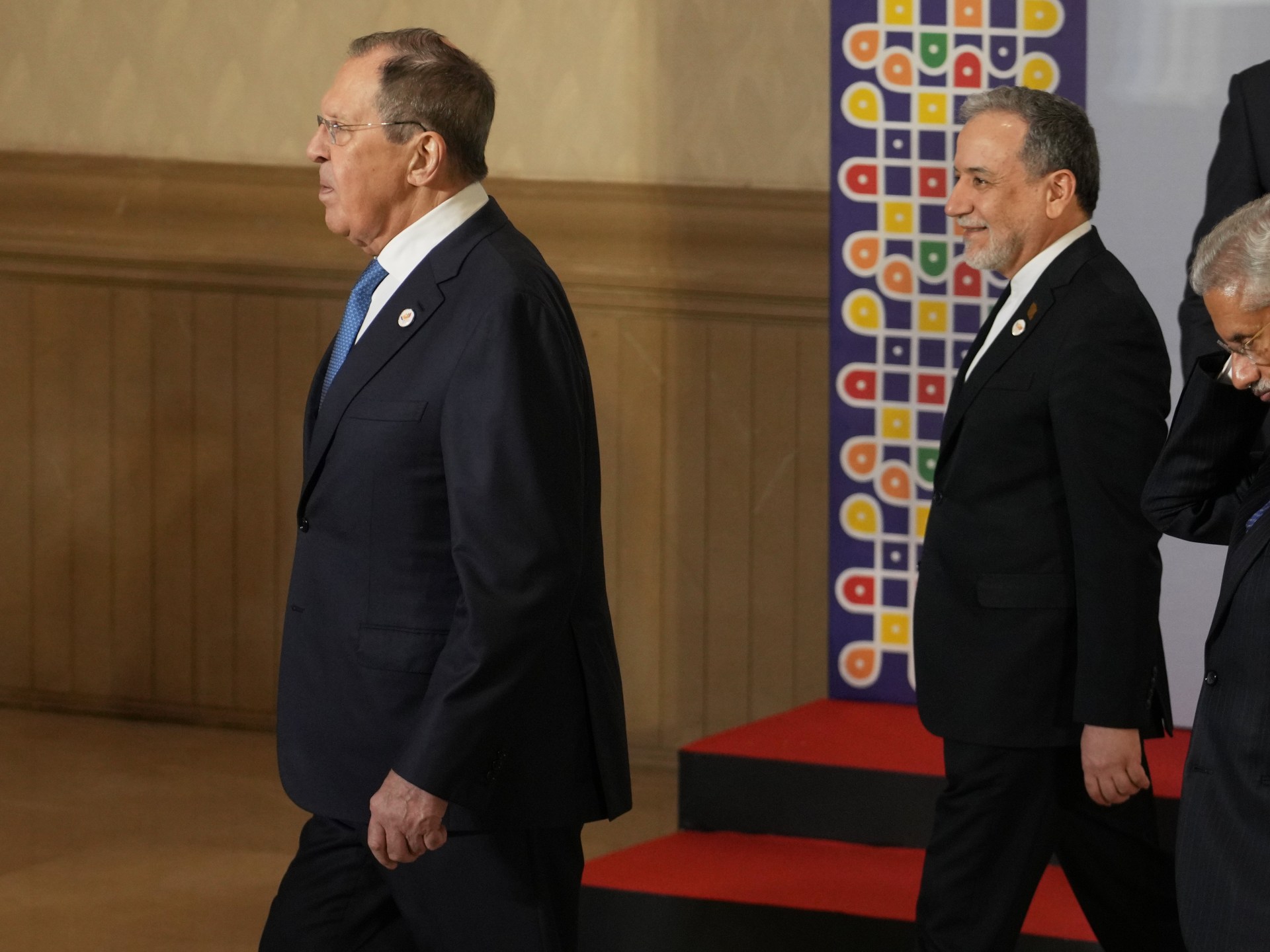
Kathmandu— United States President Donald Trump has vowed an “economic D-Day” against Iran, threatening financial penalties for any country that provides economic support to Tehran six months into a costly conflict. However, the effectiveness of this campaign is hampered by Iran’s strong trade relationships with China and Russia, two nations whose cooperation could significantly limit US leverage, according to analysts. While Trump seeks to unilaterally impose sanctions, securing buy-in from key players like Beijing and Moscow—permanent members of the UN Security Council—presents a major obstacle.
Limited Leverage Over Key Trade Partners
Analysts suggest that President Trump’s ability to effectively pressure China and Russia is constrained. Russia already operates largely outside the US-led economic framework due to existing sweeping sanctions, while China has consistently demonstrated its willingness to prioritize its own economic interests even when it means disregarding US restrictions. Paul Musgrave, an associate professor of government at Georgetown University in Qatar, explained that “it is going to be very difficult” for Trump to successfully implement his pressure campaign without multilateral coordination.
China’s Resilience to Sanctions
Despite purchasing 80 percent of Iran’s shipped oil in 2025, China presents a unique challenge. Many of its independent oil refineries have limited reliance on the US financial system, making them difficult targets for sanctions. While sanctioning major Chinese banks processing Iranian funds could inflict pain, it risks retaliation from Beijing during a period when Washington seeks a “temporary truce” with China. Yu Jie, a senior research fellow at Chatham House, believes Trump’s threats will not alter China's existing trading relationship with Iran, especially as both countries aim to stabilize ties ahead of planned meetings between their leaders.
Russia Forges Deeper Ties With Tehran
Russia offers a different set of challenges for Washington. Moscow and Tehran have been actively strengthening commercial and military connections over the years, bypassing Western restrictions. A 20-year partnership treaty signed in January 2025 has boosted trade volume to $4.8 billion in the first eleven months of that year, with reports indicating an exchange of weapons and military equipment via the Caspian Sea. The US has already imposed extensive sanctions on Russia, limiting its options for further escalation.
Iran Seeks Alternative Financial Networks
Facing continued pressure from the US, Iran is actively exploring alternative financial avenues through organizations like BRICS—a bloc including Brazil, Russia, India, China, and South Africa. The country’s Central Bank governor Abdolnaser Hemmati announced plans to join the BRICS New Development Bank (NBD), potentially opening doors to financing outside Western markets. Tehran also hopes for bilateral and trilateral monetary cooperation with other BRICS members, aiming to transact in their own currencies.
Iranian Response and Defiance
Iran’s foreign minister Abbas Araghchi condemned Trump’s economic campaign as a continuation of Washington’s “failed policies” and labeled it “economic terrorism,” threatening the global economy. Ali Akbar Dareini, an analyst at the Center for Strategic Studies in Tehran, expressed confidence that Iran would persevere despite the “suffocating” US sanctions, asserting that “Trump is stuck in a war he can’t win and he can’t get out of.”
As tensions remain high, the upcoming visit by Chinese President Xi Jinping to Washington will likely include discussions about the situation in the Gulf, though it may not be the primary focus. Iran continues to seek alternative financial pathways through BRICS membership.
(With inputs from Al Jazeera)
Originally published on abcnews.com.np.



प्रतिक्रिया दिनुहोस्