

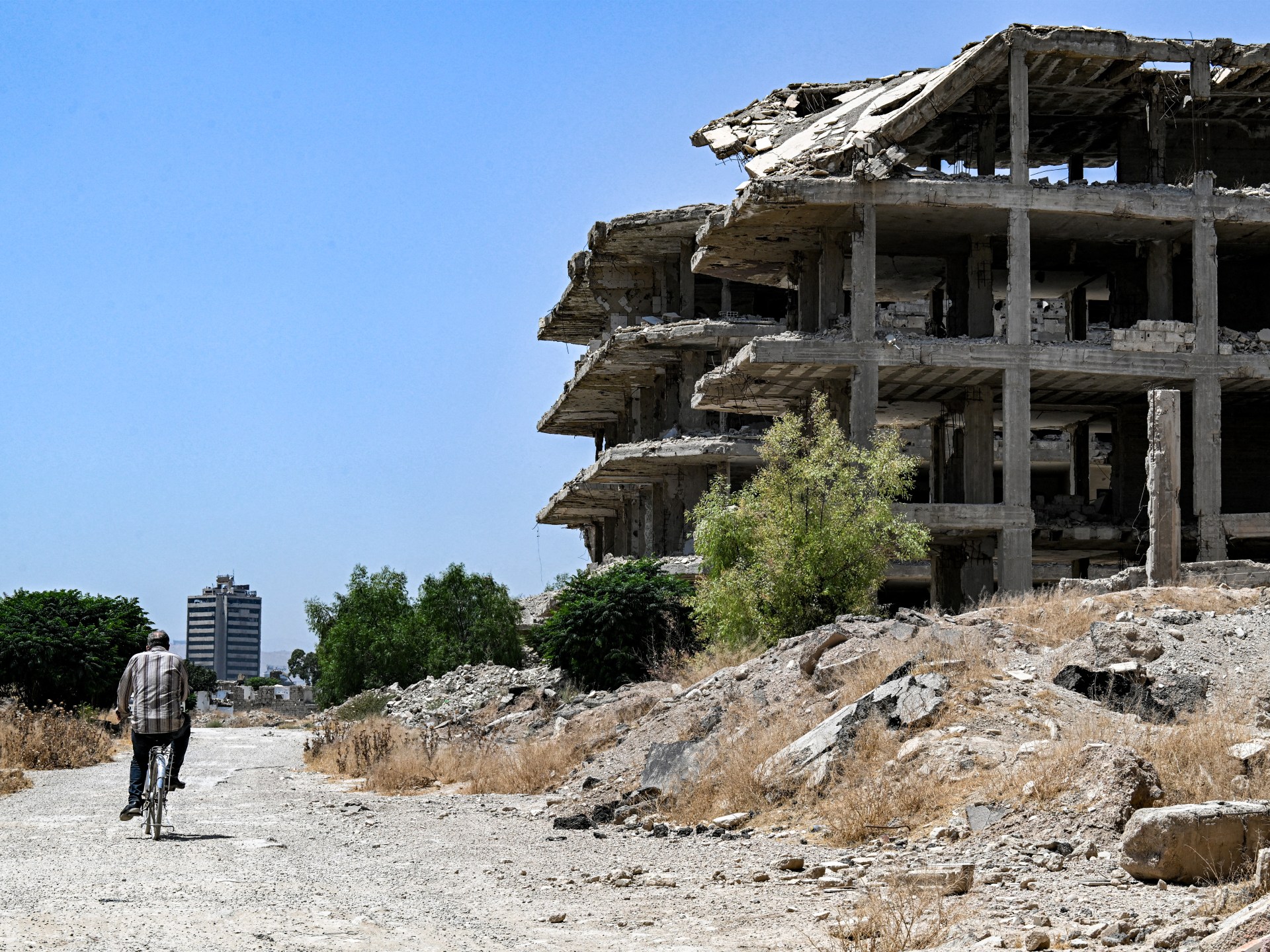
Kathmandu— Following the culmination of Syria’s 13-year war with the fall of President Bashar al-Assad in December 2024, the nation's civil society is undergoing a period of significant change. Organizations that once operated outside government control, providing essential services like healthcare and education in opposition-held areas, are now registering with the state and attempting to define their role in a rebuilding Syria. While registration procedures have become streamlined under Deputy Minister of Social Affairs and Labour Bahjat Hajjar, concerns remain about whether this integration will foster genuine partnership or simply reimpose control over a sector that flourished during years of conflict.
From Opposition Support to State Integration
For much of the Syrian war, Bahjat Hajjar worked outside the state as co-founder of the Local Administration Councils Unit. He supported councils running essential services in areas where the government was absent. Now, as deputy minister, he oversees the licensing of Syria’s associations and believes a strong relationship with civil society is crucial for rebuilding the country. Under the previous regime, regulation of civil society was largely controlled by intelligence services, with very few associations licensed annually. Following al-Assad's fall, organizations previously operating outside government control were encouraged to register in Damascus, leading to a significant increase in their numbers.
Challenges to Building a Robust Civic Space
Syria’s civil society sector has evolved over 14 years, adapting to the changing landscape of the conflict. Mutasem Syoufi, executive director of The Day After, describes a layered development including established charities, organizations tied to political actors, relief associations formed during the uprising, and coordination committees dating back to the start of the protest movement. While these groups gained experience working under pressure and secured international funding, they struggled to establish a truly mature civic space. A key challenge is transitioning from filling a vacuum created by the absent state to collaborating with newly strengthening government institutions.
Legitimacy and Legal Uncertainties
Beyond navigating their relationship with the state, Syrian civil society organizations also face internal challenges related to legitimacy and legal frameworks. Bashar Moubarak, a local governance consultant, emphasizes that lasting impact requires deep roots within communities, built on trust and responsiveness to local needs rather than donor priorities. Organizations shaped by external agendas risk being seen as outsiders. Furthermore, the sector remains governed by a 1958 law requiring prior approval for foreign funding, a point of contention with many organizations who are advocating for updated legislation. Recent steps toward recognizing peaceful assembly have been criticized as overly restrictive.
Divergent Approaches and Internal Divisions
Civil society groups exhibit varying approaches to engagement with the new authorities. Alia Shams, an activist working with various organizations since 2011, identifies three main camps: those fully integrating within the established rules, those refusing to register due to distrust, and those actively supporting government decisions. This division reflects broader societal polarization that emerged during the conflict, with organizations often aligning along political lines and lacking a unified agenda. Syoufi notes that building consensus will take time, but is essential for a cohesive future.
Shifting Priorities and Capacity Gaps
The transition also highlights disparities in organizational capacity. Activists who worked underground within government-held areas often lack the same level of experience in organizational skills as those operating more openly in other regions. However, their familiarity with bureaucratic processes can be an asset. Furthermore, a historical emphasis on relief work – stemming from both pre-2011 legislation and emergency funding during the war – has created organizations skilled at service delivery but less equipped for advocacy or policy influence.
Deputy Minister Hajjar is advocating for a new model of state-civil society relations based on partnership rather than control, aiming to harness the experience gained during the conflict to build a stronger Syria. The coming years will determine whether this vision can be realized and if civil society can successfully navigate its evolving role in the post-Assad era.
(With inputs from Al Jazeera)
Originally published on abcnews.com.np.


प्रतिक्रिया दिनुहोस्