

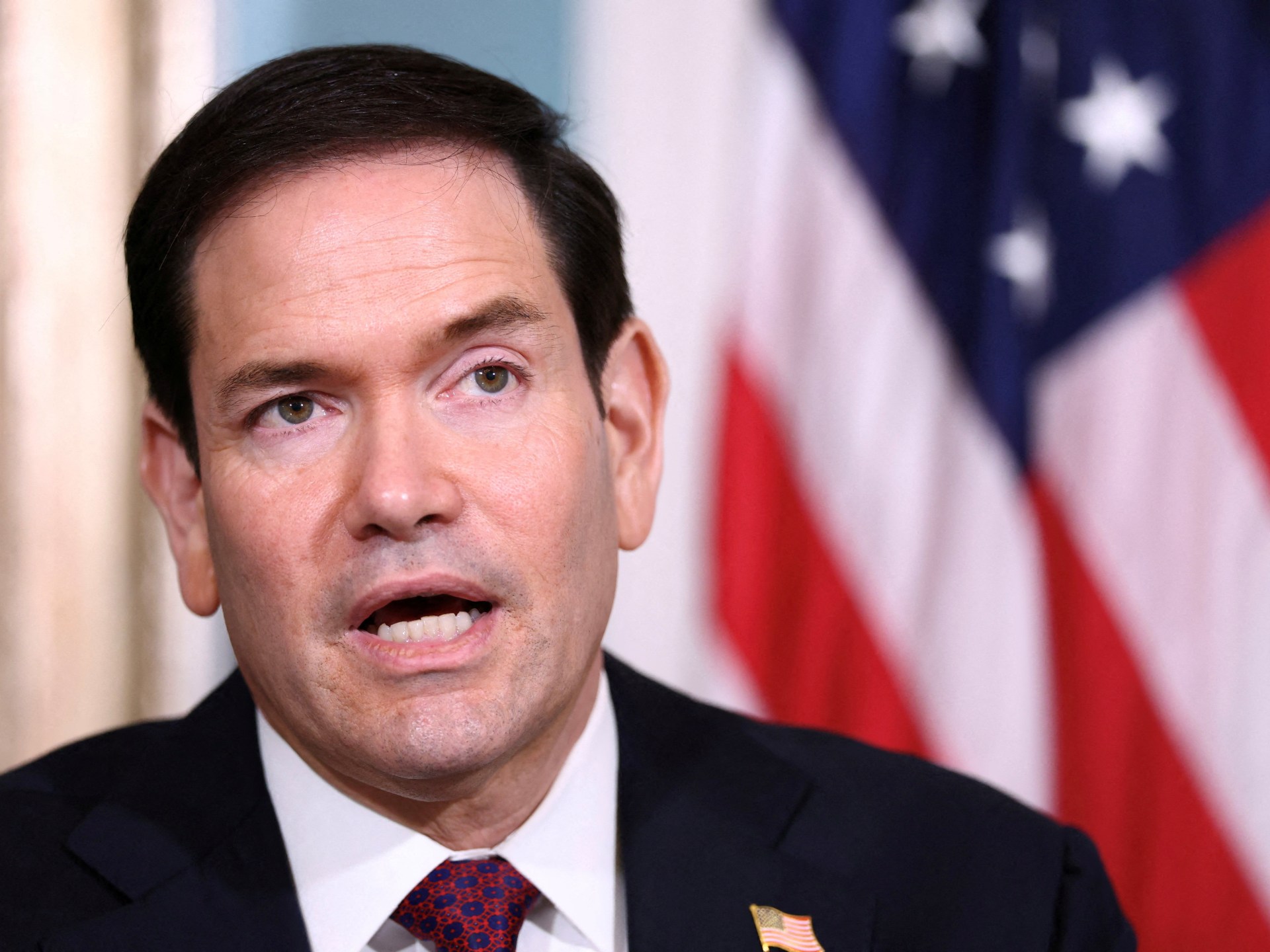
Kathmandu— The United States announced a new round of economic sanctions Thursday targeting nine Cuban state-owned mining, metal, and construction companies, as well as three leaders from the Cuban Institute of Friendship with the Peoples (ICAP). The move is part of the Trump administration's escalating “maximum pressure” campaign aimed at toppling Cuba’s government, which officials claim poses a national security threat. These sanctions build upon existing restrictions including a de facto fuel blockade and measures authorizing broad penalties against those deemed responsible for repression on the island, contributing to energy blackouts and shortages of essential goods like medicine.
Targeted Entities and Accusations
The US Treasury Department notice listed Cuba’s Ministry of Construction, along with several government-controlled import companies and enterprises involved in mineral extraction – including the mining group GEOMINSAL, which deals in cobalt and nickel deposits. Secretary of State Marco Rubio accused these entities of sustaining “the regime’s repressive apparatus.” He also alleged that ICAP organizes a “subversive network” of international supporters to aid Cuba's government, claiming its activities aim to spread “Marxism, racial resentment, and Communist violence.
Escalating Pressure Campaign
The Trump administration has pursued a strategy of isolating Cuba over political differences, intensifying efforts since January 2019. Following an attempt to destabilize Venezuela, the focus shifted to Cuba, located approximately 90 miles from Florida. President Trump has reportedly considered options ranging from a “friendly takeover” to seeking the resignation of Cuban President Miguel Diaz-Canel and has indicated that Cuba would be next for regime change after resolving conflict with Iran.
Humanitarian Concerns Raised
The US sanctions have demonstrably impacted Cuba’s economy, leading to energy blackouts and shortages of vital supplies. United Nations officials have repeatedly warned of a potential humanitarian crisis as a result. In March, UN experts stated the fuel blockade constitutes illegal “energy starvation,” while in April, UN Human Rights Commissioner Volker Turk highlighted rising infant mortality rates and declining survival rates for children with cancer, directly linking these outcomes to the growing restrictions. He called for an immediate lifting of the sanctions.
Justification and Ongoing Restrictions
Despite mounting concerns, the Trump administration maintains that Cuba presents a national security threat justifying the continued pressure. The latest economic measures are framed as stemming from an executive order authorizing sanctions against those deemed responsible for repression in Cuba, while a de facto fuel blockade remains in place, with only one oil tanker from Russia having reached the island since January.
The US continues to maintain its stance on Cuban policy, despite international warnings about the humanitarian impact of the ongoing economic pressure. Further developments are expected as the Trump administration pursues its stated goal of regime change.
(With inputs from Al Jazeera)
Originally published on abcnews.com.np.
प्रतिक्रिया दिनुहोस्