

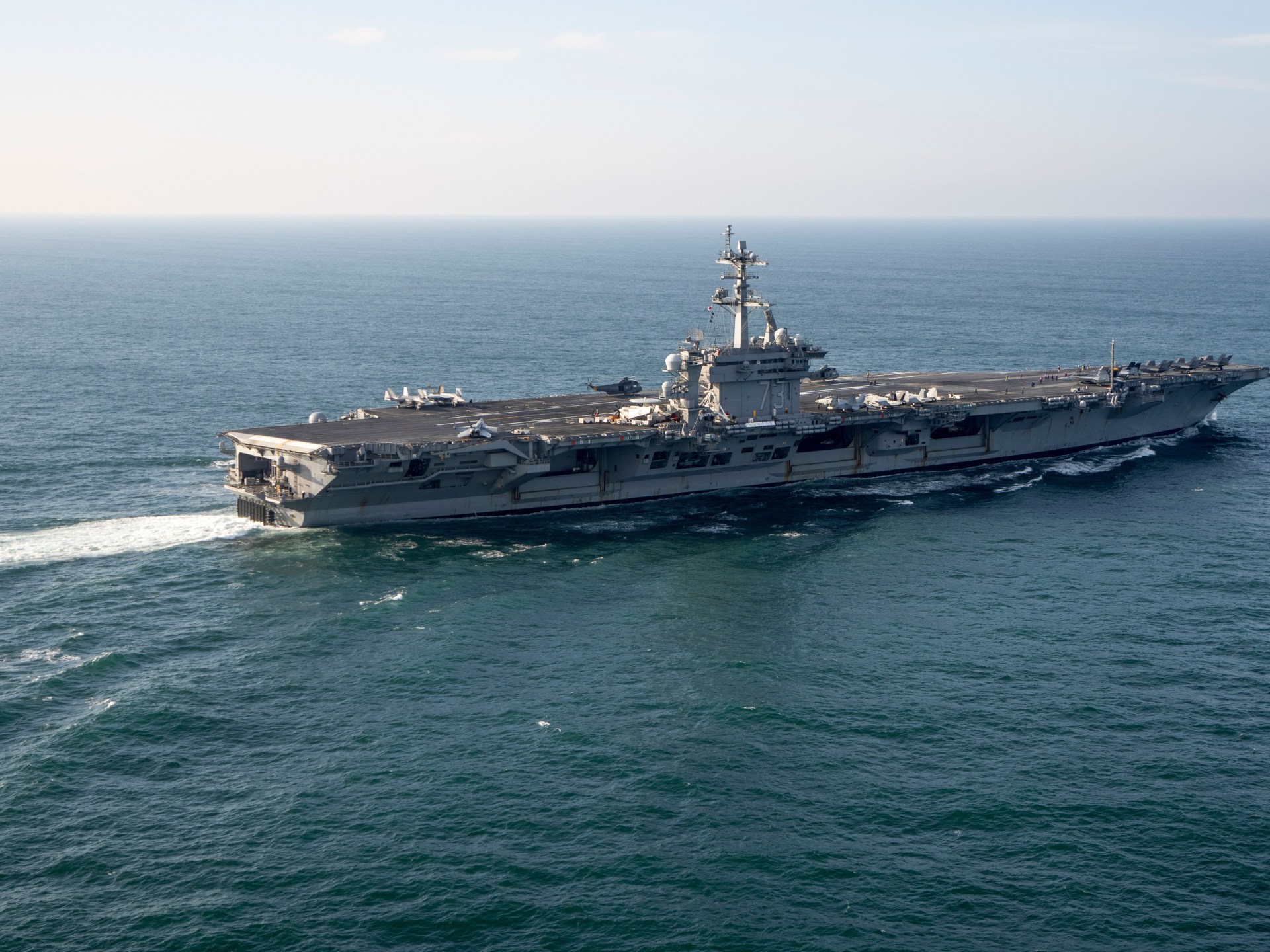
Kathmandu— United States allies in Asia are expressing growing unease as Washington redirects military resources towards the ongoing conflict involving Iran, prompting concerns about the US ability to maintain its regional security posture and counter Chinese influence. The move of the USS George Washington aircraft carrier from Japan to the Middle East follows earlier reports of THAAD missile defense components being shifted from South Korea and dwindling munitions stockpiles, collectively signaling a potential decrease in US power projection within the Asia-Pacific region. Analysts suggest this shift could embolden China to test boundaries and increase pressure on regional allies, even as the bulk of US forces remain stationed throughout Asia.
Deterrence Concerns Grow
The redeployment of the USS George Washington is raising anxieties among US partners about a potential weakening of regional deterrence against China. William Yang, senior analyst for Northeast Asia at the International Crisis Group, explained that this move, viewed as part of a broader trend, “certainly is creating an impact on the overall effectiveness of the US-led regional deterrence against China.” The Chinese fleet has been increasingly active beyond the First Island Chain—a historical defensive line intended to contain Beijing—with its Liaoning and Shandong aircraft carriers venturing further into the Western Pacific.
Increased Chinese Assertiveness
Alongside the US military shifts, there's been a noticeable uptick in activity by the Chinese coastguard in waters near Taiwan, overlapping with the exclusive economic zones of Japan and the Philippines. According to Yang, “These maritime operations are aimed at Taipei, aimed at Manila, aimed at Tokyo,” and represent a deliberate attempt to test US reactions and capabilities. Ja Ian Chong, a political scientist at the National University of Singapore, believes that US allies may fear China will become more emboldened by these developments, leading to increased pressure on them.
Shifting US Strategy and Burden-Sharing
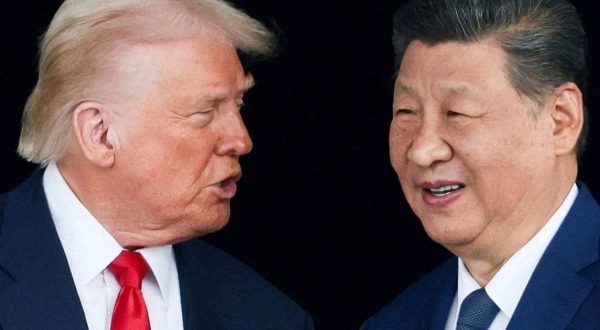
The redeployment is also being interpreted as indicative of a broader shift in US strategy towards Asia under the Trump administration. This approach emphasizes regional allies taking greater responsibility for their own defense, with the US providing support. The 2026 National Defense Strategy explicitly calls for increased “burden-sharing” and higher military spending from allies—aiming for 3.5 percent of GDP overall and 1.5 percent on security by the 2030s. Several countries, including South Korea, Taiwan, and Japan, are already responding by increasing their defense budgets.
Regional Allies Adapt
Despite concerns, experts anticipate a deepening trend of regional allies bolstering their own capabilities and fostering greater cooperation amongst themselves. Chong noted that US partners have “already been increasing their spending and ability to work with less US support,” and the recent developments may accelerate this process. Kei Koga, an expert at Nanyang Technological University in Singapore, believes the deployment to the Middle East is a short-term concern and doesn’t signal a long-term disengagement from Asia, while K Tristan Tang of the National Bureau of Asian Research suggests that President Trump will ultimately prioritize US economic interests related to China.
While the redeployment has sparked concerns among allies, many anticipate that US military interest—and its aircraft carriers—will eventually return to the Asia-Pacific region as the situation in the Middle East evolves.
(With inputs from Al Jazeera)
Originally published on abcnews.com.np.

प्रतिक्रिया दिनुहोस्