

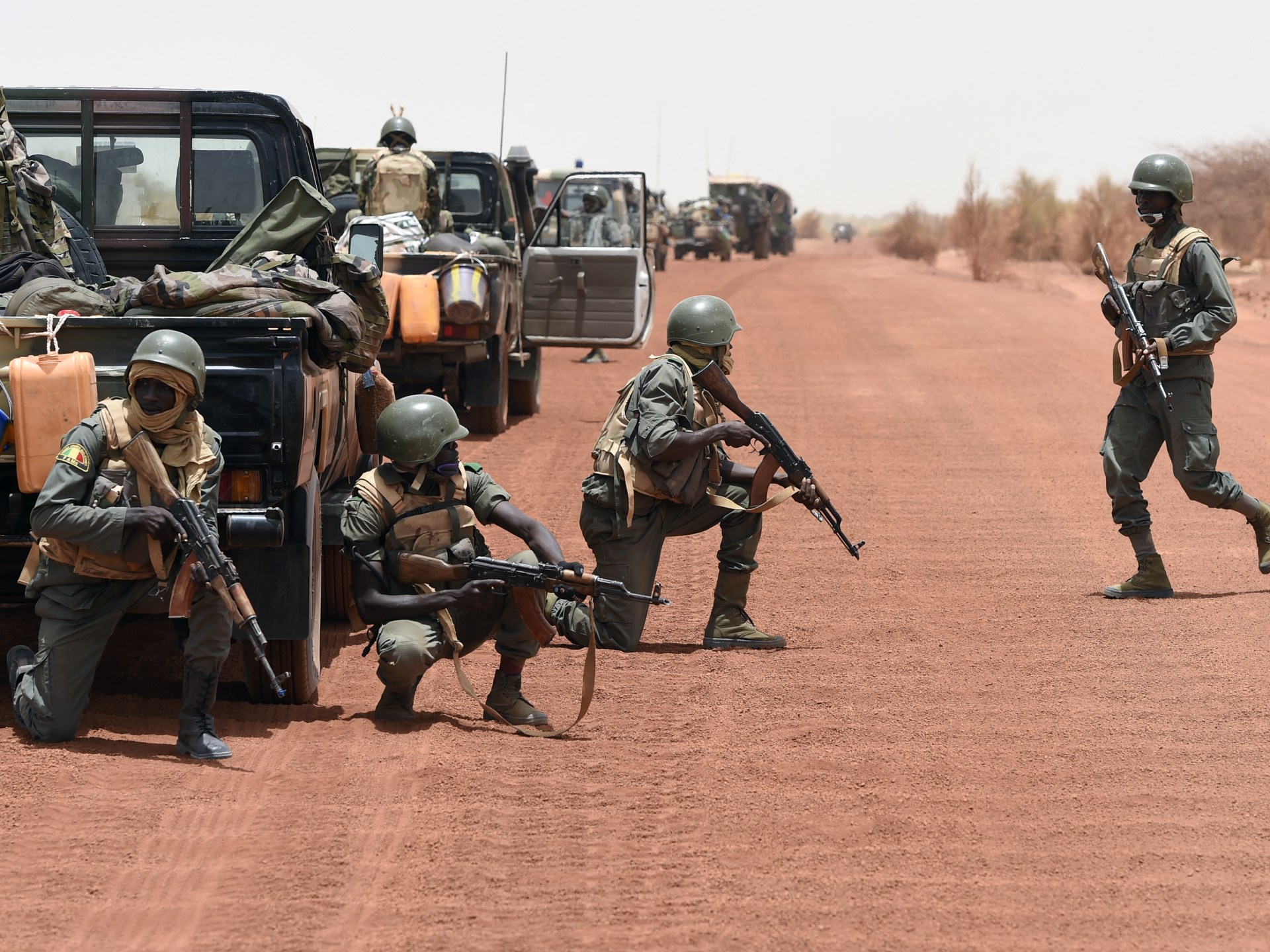
Kathmandu— In December 2025, a dispute arose when Burkina Faso detained 11 Nigerian Air Force personnel following an emergency landing of their C-130 transport aircraft, citing unauthorized airspace entry; Nigerian officials attributed the incident to a technical problem and the crew were later released after diplomatic talks. This event underscored a widening political divide between Nigeria and the Alliance of Sahel States (AES) – Burkina Faso, Mali, and Niger – which formed in September 2023 and subsequently withdrew from the Economic Community of West African States (ECOWAS). The growing rift complicates regional security efforts as threats like Boko Haram, ISWAP, JNIM, and the Azawad Liberation Front operate across borders, exploiting weak coordination between nations.
Roots of Regional Instability
Professor Bolaji Akinyemi, a former Nigerian foreign affairs minister, traced some of the current security challenges to the aftermath of Muammar Gaddafi’s overthrow in Libya in 2011. He explained that the influx of armed groups from the AES into Nigeria had been ongoing since then, with limited options for their movement beyond southward expansion. Akinyemi expressed hope that diplomacy and good sense would prevail, preventing further escalation of tensions.
Overlapping Security Threats
Nigeria and its Sahelian neighbors face overlapping security threats from groups like Boko Haram and ISWAP, which remain active in both countries. Niger’s withdrawal in March 2025 from the Multinational Joint Task Force (MNJTF), a regional force fighting armed groups around Lake Chad, has created a significant gap in counterterrorism cooperation according to Nigerian resilience adviser Abiola Sadiq. He warned that deteriorating relations between Nigeria and the AES could allow ISWAP greater freedom to exploit border areas due to poorly coordinated security zones.
Trade and Movement Uncertainties
The political rupture also raises questions about trade and movement within the region, as Nigeria is West Africa’s largest economy and a key market for goods moving through the Sahel corridor. Despite the withdrawal of Burkina Faso, Mali, and Niger from ECOWAS on January 29, 2025, the regional bloc stated it would seek to avoid disruption to trade and movement while determining future relations with the three countries, maintaining visa-free travel and existing trade arrangements for the time being. However, traders, transport operators, and workers face uncertainty regarding the ease and rules governing cross-border activity.
Escalating Diplomatic Tensions
The current dispute followed remarks made by Nigerian President Bola Tinubu in July 2026 concerning security in Mali, Burkina Faso, and Niger, which he said compounded Nigeria’s own challenges. The AES governments rejected this assessment, leading to a meeting between Burkina Faso’s Foreign Minister Karamoko Jean-Marie Traore, Nigeria’s charge d’affaires, and representatives from Mali and Niger. A Malian international relations analyst noted that successive confrontations – including threats of sanctions in 2023, the aircraft detention in December 2025, and recent exchanges over cross-border blame – have hardened positions between Abuja and the Sahelian capitals.
Nigeria and the AES states remain politically divided despite facing a fundamentally transnational security threat, potentially leading to fragmented regional security architectures. Unless a channel for dialogue is established, armed groups operating across the Liptako-Gourma region could exploit this widening divide.
(With inputs from Al Jazeera)
Originally published on abcnews.com.np.


प्रतिक्रिया दिनुहोस्