

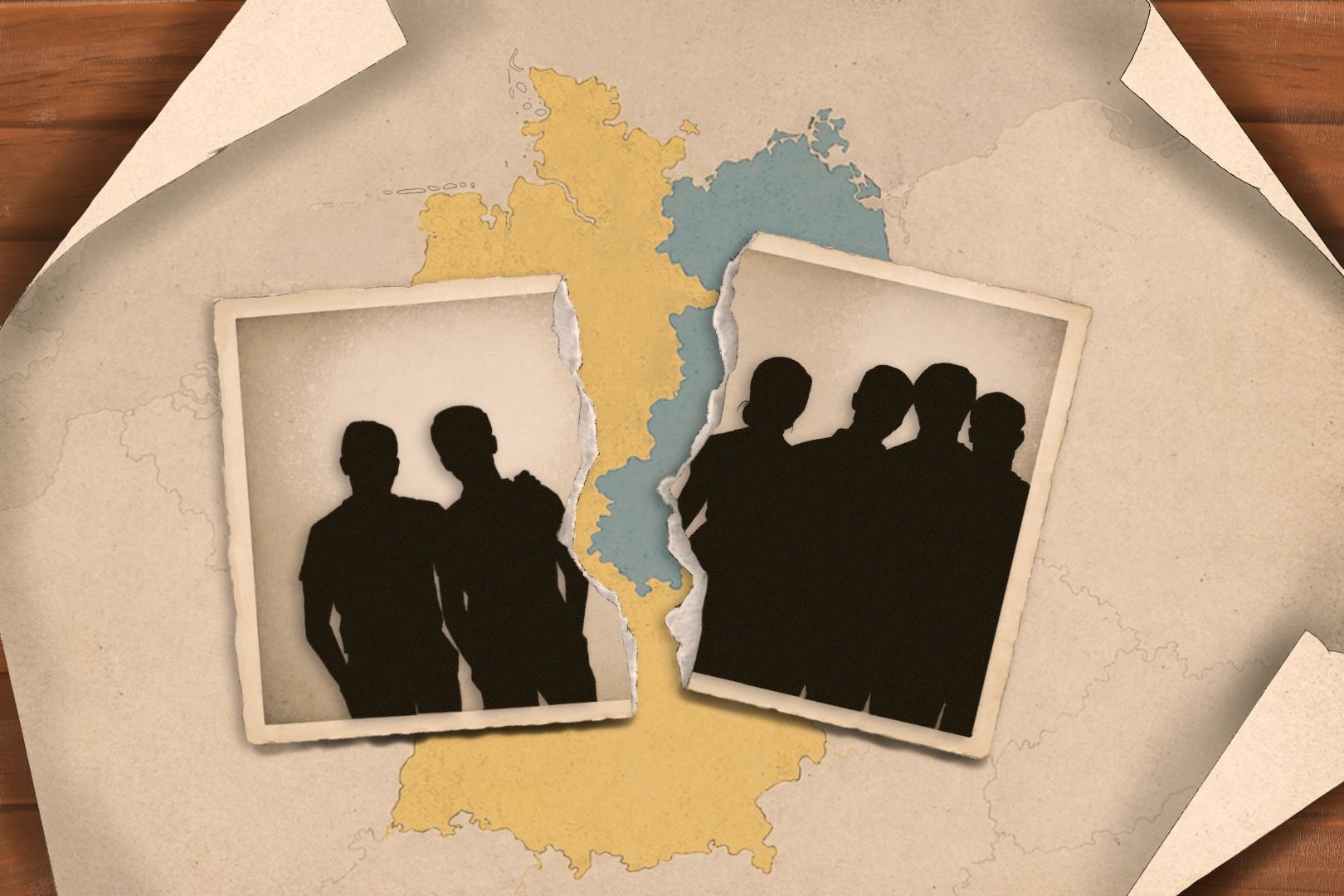
Kathmandu— In 1969, eighteen-year-old Erich Guetinger finally saw his uncle’s family after years of separation caused by the division of Germany. The construction of the Berlin Wall in 1961 had solidified a political and physical barrier between West and East Germany, impacting families like the Guetingers who found themselves living on opposite sides. A simple car journey became an arduous process requiring visas, transit corridors, and border inspections, highlighting the human cost of political geography—a theme explored in a new series examining artificial borders around the world.
A Divided Nation
By 1969, West Germany boasted a population of approximately 61 million while East Germany’s had dwindled to roughly 17 million across a nearly 2,000km border. The Guetinger family, originating from Babenhausen in Bavaria, found themselves split between the two states: most relatives remained in the west, while Erich's uncle Hans, aunt Frieda, and cousins Dieter and Guenter lived near Frankfurt an der Oder in East Germany. This geographical division transformed a short drive into a complex undertaking requiring extensive paperwork and scrutiny from border authorities.
Navigating Restrictions
Erich Guetinger recalls the unease surrounding his 1969 visit, detailing a visa process that lasted weeks and required detailed itineraries submitted to East German officials. Traveling by train through a Bavarian border crossing into Probstzella in the GDR, they were immediately subjected to rigorous checks of their documents. Despite the challenges, the trip proved positive; Guetinger enjoyed spending time with his relatives, sharing meals and conversation. However, even amidst the reunion, the shadow of political division loomed large, influencing every interaction.
Life Under Surveillance
The ever-present threat of surveillance by the East German secret police, the Stasi, cast a pall over family visits. Guetinger describes how conversations were carefully monitored and rooms scanned for potential eavesdropping devices. Parcels sent from West Germany containing coveted items like coffee and blue jeans risked being intercepted or never arriving at all. Despite these risks, the family persevered, finding ways to maintain contact and share what little they could across the border. Guetinger notes that even now, it’s difficult to fully grasp how this disruption impacted their sense of safety and unity.
Connections Beyond Borders
The division also extended beyond Germany's immediate borders, influencing migration patterns and creating connections with nations aligned with either side of the Cold War. Guetinger’s wife, Yan-Yun, a nurse from Taiwan, came to West Germany through a recruitment drive in the early 1970s. The couple used West Berlin as a hub to reconnect her family with relatives on mainland China, leveraging the newly established diplomatic relations between West Germany and the People's Republic of China to facilitate communication across previously insurmountable barriers.
A Wall Falls, Legacies Remain
The fall of the Berlin Wall in 1989 marked a turning point for the Guetinger family. Reuniting with relatives became significantly easier, though the scars of division remained. While some family members embraced the newfound freedom and visited West Berlin, others preferred to stay in their East German communities. Despite reunification, economic disparities between East and West Germany persist, alongside lingering social tensions and a sense among some Easterners that their way of life was not fully respected during the integration process.
Today, Guetinger remains connected with family on both sides of the former divide, emphasizing the importance of freedom and the enduring impact of political separation on generations to come.
(With inputs from Al Jazeera)
Originally published on abcnews.com.np.
प्रतिक्रिया दिनुहोस्