

Kathmandu— A moderate earthquake struck eastern Japan, including the Tokyo area, early Sunday morning, injuring more than 30 people across five prefectures, officials reported. The quake, with a preliminary magnitude of 5.9 according to the Japan Meteorological Agency, caused falls and minor injuries as residents were caught off guard while sleeping. There was no danger of a tsunami, and Shinkansen bullet trains continued operating normally despite delays to some local and express train services.
Earthquake Details
The earthquake struck at approximately 8:53 AM JST, with its epicenter located in the southern Ibaraki prefecture at a depth of 70 kilometers (42 miles). The U.S. Geological Survey recorded the magnitude as 5.8. Emergency quake alerts were issued via mobile phones, and the tremor was felt strongly throughout Tokyo and surrounding areas.
Injuries and Damage
At least 37 people sustained injuries across five prefectures: Tokyo (15), Saitama (9), Kanagawa (8), Chiba (4), and Ibaraki (1). Most injuries were minor, resulting from falls or collisions with furniture as individuals reacted to the shaking. A woman in her eighties suffered a serious hip injury after falling out of bed in Yokohama, according to reports from the Yomiuri newspaper. One shopper in Tokyo’s Taito district described feeling a strong vertical jolt and fearing falling merchandise.
Infrastructure Impact
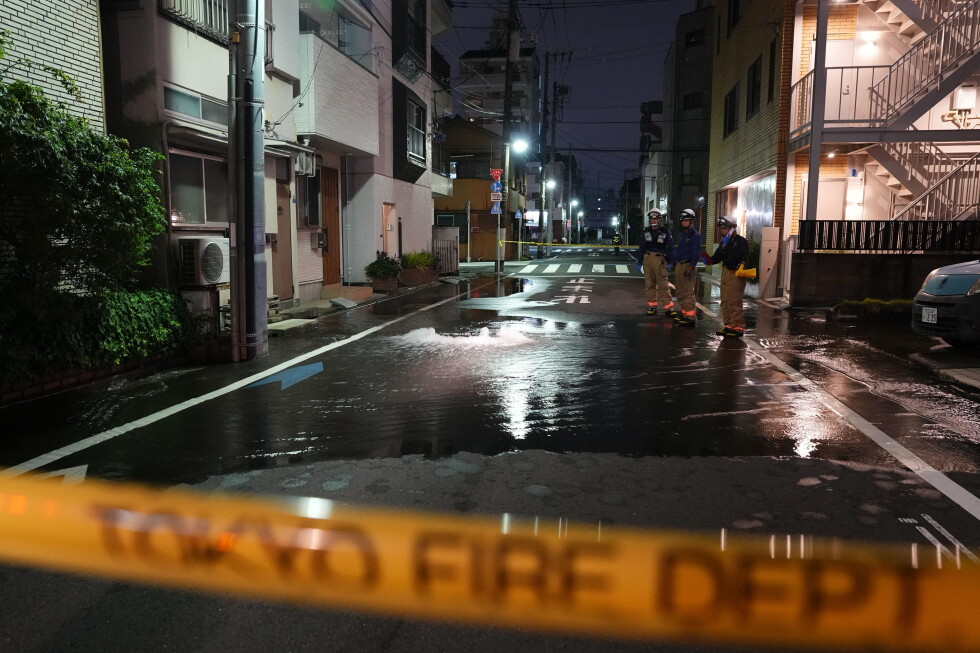
The earthquake caused some disruptions to transportation services, with delays reported for express trains serving Tokyo and Narita Airport, as well as local trains in northeastern regions. An underground water pipe ruptured in Tokyo’s Koto ward, causing a temporary leak that was quickly repaired. Authorities confirmed no anomalies were detected at approximately a dozen nuclear power plants and facilities handling nuclear materials.
Government Response
Prime Minister Sanae Takaichi established a task force to assess potential damage following the earthquake. The Japan Meteorological Agency has cautioned residents to remain vigilant for possible aftershocks over the next week. NHK public television reported that traffic appeared normal in cities near the epicenter, such as Mito and Saitama.
Authorities continue to monitor the situation and provide assistance to those affected by the quake, while urging continued caution regarding potential aftershocks.
(With inputs from AP)
Originally published on abcnews.com.np.





प्रतिक्रिया दिनुहोस्