

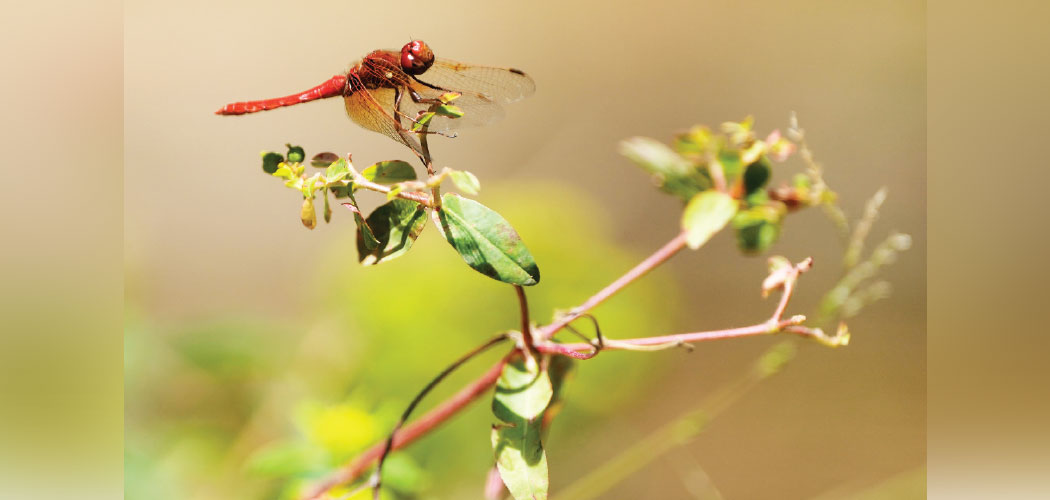
Kathmandu— Californians are reporting widespread sightings of dragonfly swarms in recent weeks, a phenomenon experts attribute to unusually warm spring rains that created ideal breeding grounds and boosted populations of the insects’ preferred food sources. From parks in the San Francisco Bay Area to farms in Fresno County, residents have been captivated by the sight of these agile predators, with some spotting groups exceeding 100 individuals flying together. The increased dragonfly activity is benefiting agriculture by providing natural pest control, as the insects consume aphids, whiteflies, and other crop-damaging pests.
A Surge in Sightings
Peter Veilleux, a nursery owner in Oakland, first noticed the increase in dragonfly numbers while walking his dog near Lake Merritt in July. He shared his observations on Facebook, prompting dozens of others to report similar sightings throughout California. Joe Del Bosque, a farmer in Fresno County, noted that he observed larger swarms earlier this month than in previous years, with dragonflies flying several feet above his crops.
Favorable Conditions and Migratory Patterns
Kathy Biggs, a dragonfly expert and co-author of “Dragonflies of California,” explained that the warm monsoon storms experienced by the state during late spring and early summer likely contributed to the surge in dragonfly populations. She believes many of the observed insects are wandering gliders, a highly migratory species known to appear in large numbers when conditions align. These dragonflies utilize air pressure changes to navigate long distances, effectively ‘surfing’ the atmospheric currents.
Natural Pest Control and Ecological Benefits
Del Bosque highlighted the positive impact of the increased dragonfly presence on his farm, noting their effectiveness as natural pest control agents. “They are like little fighter jets,” he said, describing how they capture insects mid-air. Along with ladybugs, dragonflies help manage populations of aphids, whiteflies, and fruit flies that threaten crops. Dragonflies spend most of their lives underwater as nymphs, preying on mosquito larvae and other aquatic creatures before emerging as winged adults.
Dragonfly Biology and Cultural Significance
Chris Grinter, senior collection manager of entomology at the California Academy of Science in San Francisco, emphasized the dragonflies’ predatory prowess. He noted that they are among the most successful hunters in nature, with a success rate exceeding 90% and the ability to consume hundreds of mosquitoes daily. Beyond their ecological role, dragonflies hold cultural significance for various groups; Native Americans view them as symbols of purity and happiness, while in Japan, they represent power and victory.
While most dragonfly species remain near their emergence locations, migratory types continue to move with atmospheric conditions, potentially appearing in different areas over short periods. Experts recommend avoiding pesticides and creating fishless ponds with sunny perches to attract these beneficial insects to gardens.
(With inputs from RN)
Originally published on abcnews.com.np.






प्रतिक्रिया दिनुहोस्